
One of the most common questions we hear during hair extensions consultations is: “Are i-tip extensions better than wefts?” And the answer isn’t as straightforward as you might think.
Both of these methods can add length, volume, and confidence to your look, but they achieve those results in very different ways. The best choice depends on your hair type, lifestyle, styling habits, and long-term hair goals.
At Olivia Christensen Salon, we specialize in luxury hair extensions and have worked with thousands of women seeking natural, seamless results. While we believe that i-tip extensions offer significant advantages, especially for clients seeking invisible, customized hair, we also want to help you make the most informed decision.
In this guide, we’ll compare i-tip extensions vs. wefts to break down the pros and cons of each method, and help you determine which option is best for your hair.
If you’re interested in learning more about other hair extension methods, you can read this post next.
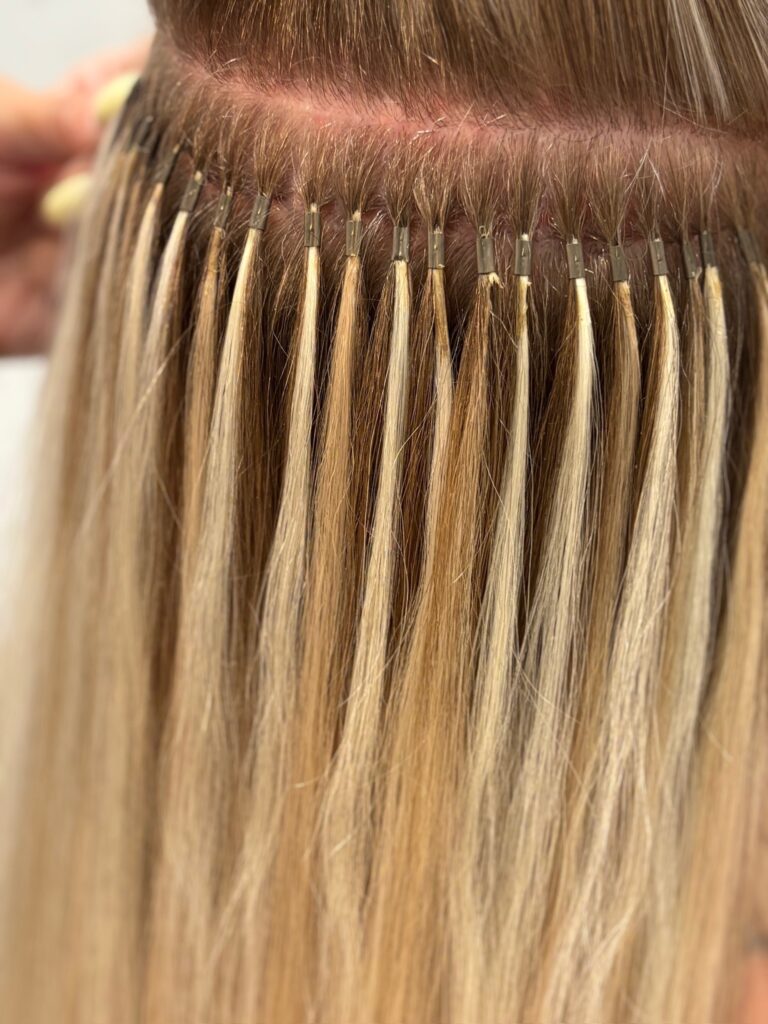
What Are I-Tip Hair Extensions?
I-tip hair extensions are one of the most versatile and natural-looking extension methods available today. Unlike tape-ins, sew-ins, or keratin bond extensions, i-tips are installed strand by strand, using small beads that secure the extension hair to your natural hair. We love this method because no glue, tape, or heat is required.
Because each extension is applied individually, your extension stylist can customize the placement, density, and overall look to suit your unique hair type and goals. This level of personalization is one of the reasons i-tip extensions have become a favorite among women seeking seamless, luxurious results.
At Olivia Christensen Salon, we also customize each hair bundle to naturally match your hair color. This can often mean blending 3-4 different colors into each bundle.
Another advantage of i-tip extensions is how naturally they move. Since the hair is installed in small sections rather than large rows, it blends effortlessly with your natural hair and offers much greater styling flexibility. Whether you wear your hair down, in a ponytail, or in an updo, i-tip extensions move with your hair rather than against it.
When properly installed and maintained, i-tip extensions are also one of the most reusable hair extension methods available. The hair can typically be moved up and reinstalled during maintenance appointments, making them a long-term investment for women who want fuller, longer hair without sacrificing the health of their natural strands.
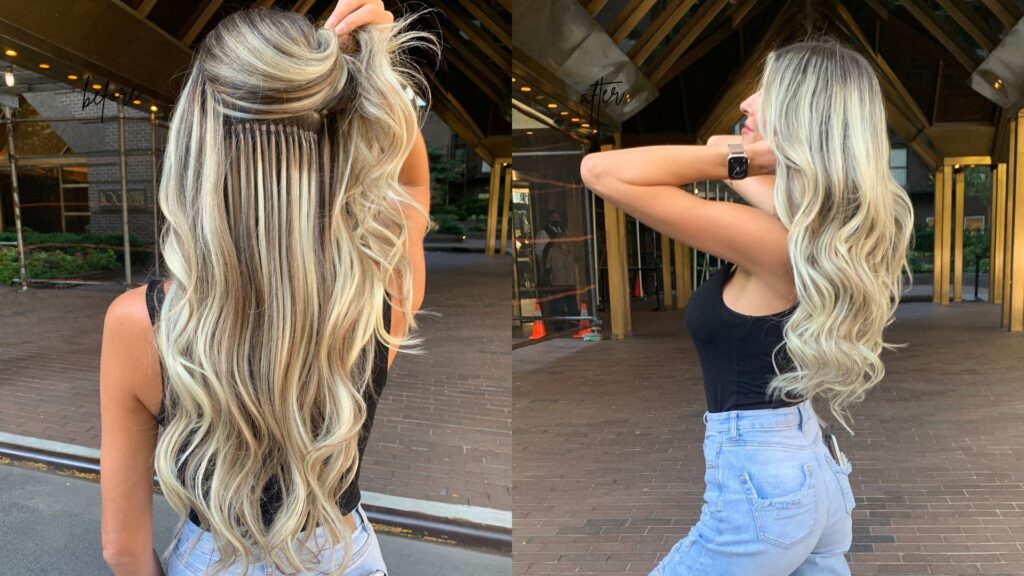
Benefits of I-Tip Hair Extensions
There are many reasons why clients choose i-tip extensions over other methods, including:
- Highly customizable placement and density
- No glue, tape, or heat required
- Natural movement and seamless blending
- Lightweight and comfortable to wear
- Ideal for ponytails, braids, and updos
- Reusable hair for multiple installations
- Suitable for a wide range of hair types
For clients seeking natural-looking volume and length, it’s easy to see why i-tip extensions are among the most requested luxury hair extension methods.
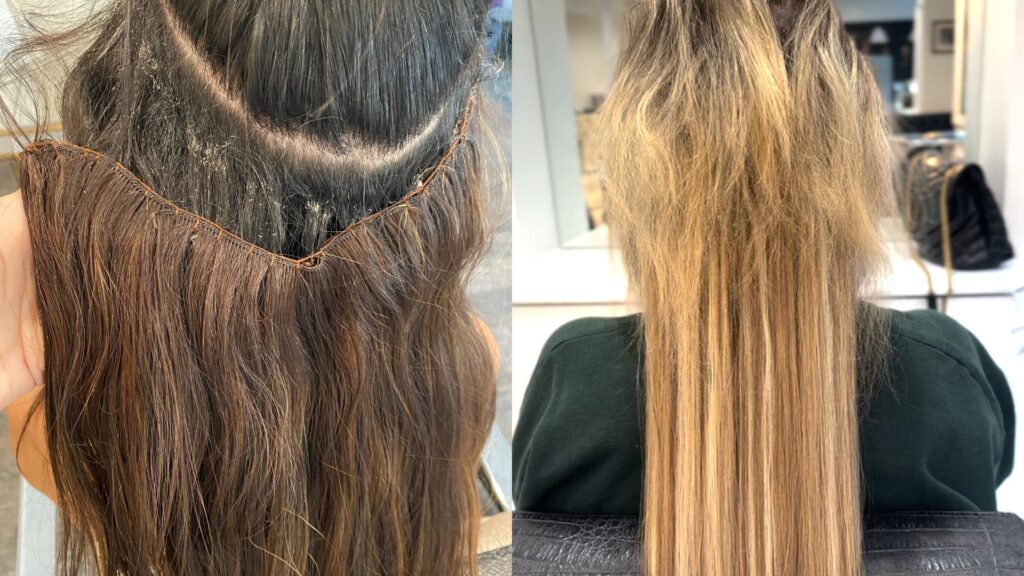
What Are Weft Hair Extensions?
Weft hair extensions are another popular hair extension method, especially for clients looking to add significant volume and length in less time. Rather than being installed strand by strand, weft extensions consist of a continuous row of hair that is attached to your natural hair.
There are several types of weft extensions that are available today, including hair-tied wefts and machine wefts. While the construction of the hair may differ, the overall concept remains the same; large sections of hair extension are secured to rows created along the scalp.
How Weft Extensions Work
Most weft installations begin by creating one or more rows of attachment points using beads or a braided foundation. The weft is then sewn onto those rows, creating a secure base that supports a larger amount of hair.
Because the hair is installed in rows rather than individual strands, weft extensions can often be applied more quickly than i-tip extensions. They also allow stylists to add substantial volume in a single appointment, making them a popular choice for clients with naturally thick hair.
Like other extension methods, wefts require regular maintenance appointments. Most clients will need to return to the salon every 6–10 weeks to have the rows adjusted as their natural hair grows. During these appointments, the wefts are removed and repositioned closer to the scalp.
One important consideration with weft extensions is the distribution of weight. Because the hair is attached in larger sections, the weight is concentrated across rows rather than dispersed strand by strand. For some clients, this isn’t an issue. However, for those with finer hair, the added weight can sometimes feel less flexible than individual extension methods.
We’ve helped a lot of women switch from wefts to i-tips, and one of the things we hear most is how much lighter the i-tip method is and how often women tell us the wefts felt more like wearing a wig.
Benefits of Weft Hair Extensions
There are several reasons why some clients prefer weft extensions:
- Adds significant volume
- Often a good option for clients with naturally thick hair
- Fewer attachment points throughout the head
- Can create dramatic transformations quickly
- Typically faster to install than individual extension methods
When properly installed and maintained, weft extensions can create beautiful results. The key is choosing a method that complements your hair type, lifestyle, and long-term hair goals.

I-Tip Extensions vs. Wefts: The Biggest Differences
Now that you know how both extension methods work, let’s compare them side by side. While both i-tp extensions and wefts can create beautiful results, there are some important differences that can impact your comfort, styling options, and overall experience.
1. Natural Movement
One of the biggest reasons clients choose i-tip extensions is because of how naturally they move.
Since i-tips are installed strand by strand, they mimic the movement of your natural hair. Each extension moves independently, creating a seamless blend that feels incredibly natural, whether you’re wearing your hair down, curled, or styled.
Wefts, on the other hand, are installed in rows. While they can look absolutely beautiful, the hair tends to move as a single section rather than as individual strands. This creates a slightly more structured feel compared to i-tip extensions.
Wefts can also make it harder to style your hair up in a ponytail or updo, simply because you need to be able to hide the rows where the extensions are sewn directly onto your hair.
Verdict: I-tip extensions win for natural movement.

2. Comfort
Comfort is another area where we see a noticeable difference between these two methods.
Because i-tip extensions are lightweight and distributed throughout the hair, many clients report that they quickly forget they’re even wearing extensions. This individual placement allows the hair to move freely without creating excessive weight in a single concentrated area.
Wefts can feel heavier because the weight is distributed across one or more rows. While most clients can adjust to this weight, some women (particularly those with fine hair) notice more tension than with i-tip extensions.
In fact, one of the most common compliments we hear from clients who switch from wefts to i-tips is how much lighter their hair feels.
Verdict: I-tip extensions win for overall comfort and lightweight wear.
3. Customization
If customization is important to you, i-tip extensions offer a significant advantage.
Because every extension is placed individually, your stylist can tailor the placement, density, and overall color match to your unique hair type and goals. This allows for a truly bespoke installation that enhances your natural hair rather than simply adding more of it.
Wefts offer less flexibility in this area because the hair is attached in large sections. While an experienced stylist can still create beautiful results, the placement and color customization options are naturally more limited.
Verdict: I-tip extensions win for customization.
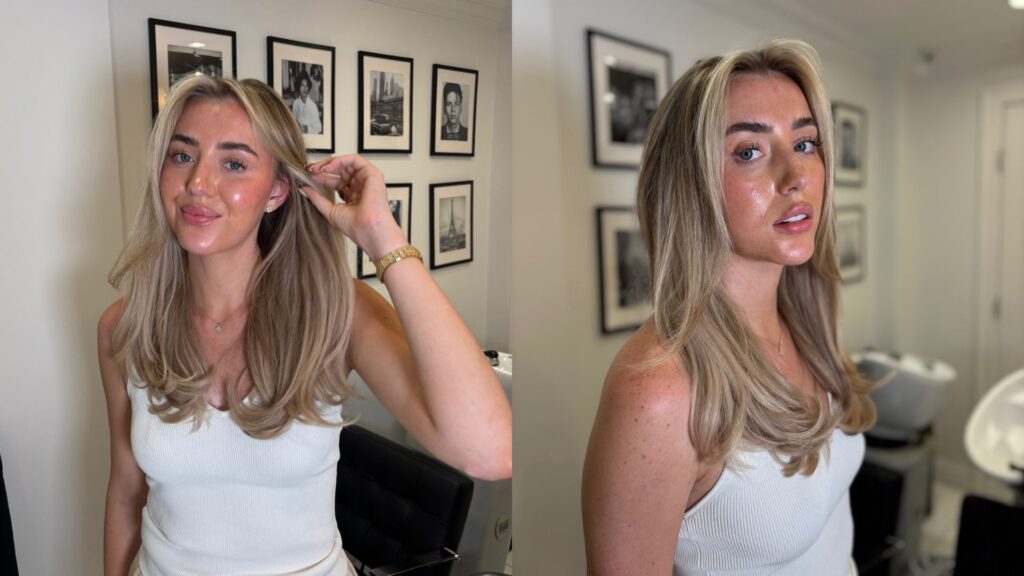
4. Maintenance
When it comes to maintenance, these two methods are very similar.
I-tip extensions typically require maintenance appointments every 6-8 weeks. During these appointments, the individual beads are removed and reinstalled to accommodate your natural hair growth.
Wefts generally require maintenance every 6-10 weeks, depending on the installation method and the rate at which your hair grows. During these appointments, the rows are adjusted and moved closer to your scalp.
Both methods require regular upkeep to maintain their appearance and protect your natural hair’s health.
Verdict: Tie.
Learn more about hair extension maintenance in this post.

5. Styling Versatility
One of the main reasons why we love i-tip extensions is how easy they are to style. Because our extensions are installed in small, individual sections, our clients can comfortably wear their hair in ponytails, braids, high buns, half-up styles, and sleek updos without worry about exposing the attachment points.
Wefts can sometimes be more limiting, particularly when it comes to high ponytails or certain updos. Depending on the placement of the rows, some styles may require additional planning or be less comfortable to wear.
For clients who enjoy changing their hairstyle frequently, this can be a deciding factor.
Verdict: I-tip extensions win for styling versatility.
The Bottom Line
Here’s the thing: both methods can create beautiful results when installed correctly. However, if your priorities are natural movement, lightweight comfort, customization, and styling flexibility, i-tip extensions are a better choice.
That’s one of the reasons they became our preferred method for creating the seamless, luxury results that our clients are looking for.
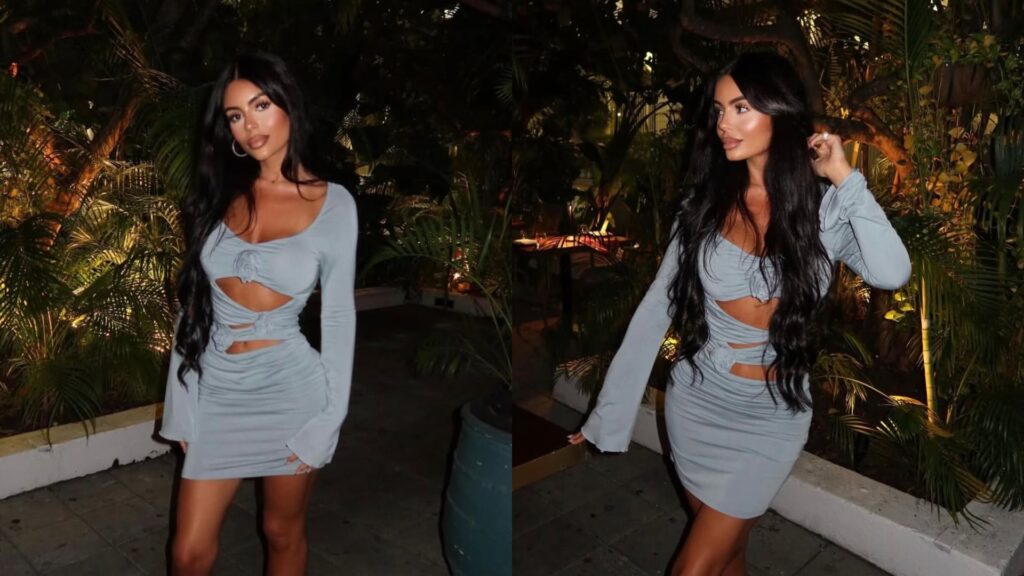
Which Hair Type Is Best for I-Tips?
Choosing the right extension method should always start by understanding your natural hair type, density, and overall goals. While both t-ip extensions and weft can be customized, i-tips are often the preferred choice for clients seeking a lighter, more seamless result.
I-Tips Are Ideal For:
I-tip extensions are especially well-suited for:
- Fine hair
- Thin hair
- Medium-density hair
- Clients wanting invisible, undetectable extensions
- Clients looking for maximum customization and precision placement
Because i-tips are applied strand by strand, they allow your stylist to work with your natural density rather than against it. This makes them particularly effective for creating fullness without adding unnecessary weight or bulk, especially in finer hair types.
For clients concerned about extensions being visible or feeling heavy, i-tips often provide the most natural-looking and comfortable result.
Which Hair Type Is Best for Wefts?
Weft extensions also have their place and can be an excellent option when matched to the right hair type and goals.
Wefts Are Often Better For:
- Thick hair
- Clients wanting dramatic volume
- Clients who prefer fewer attachment points
- Clients looking for faster, high-impact transformations
Because wefts are installed in rows and distribute more hair at once, they tend to work particularly well for clients with thicker hair or stronger density. In these cases, the structure of a weft installation can enhance fullness without feeling unbalanced.
For clients who want a more dramatic transformation in a shorter appointment time, wefts can be a very effective option.
Neither method is universally “better.” The right choice depends entirely on your natural hair and your long-term goals.
At Olivia Christensen Salon, our focus is always on creating results that feel seamless, sustainable, and completely tailored to each individual client. In many cases, that means recommending i-tip extensions for their flexibility and natural finish, but the consultation process is always designed to determine the best fit for you specifically.
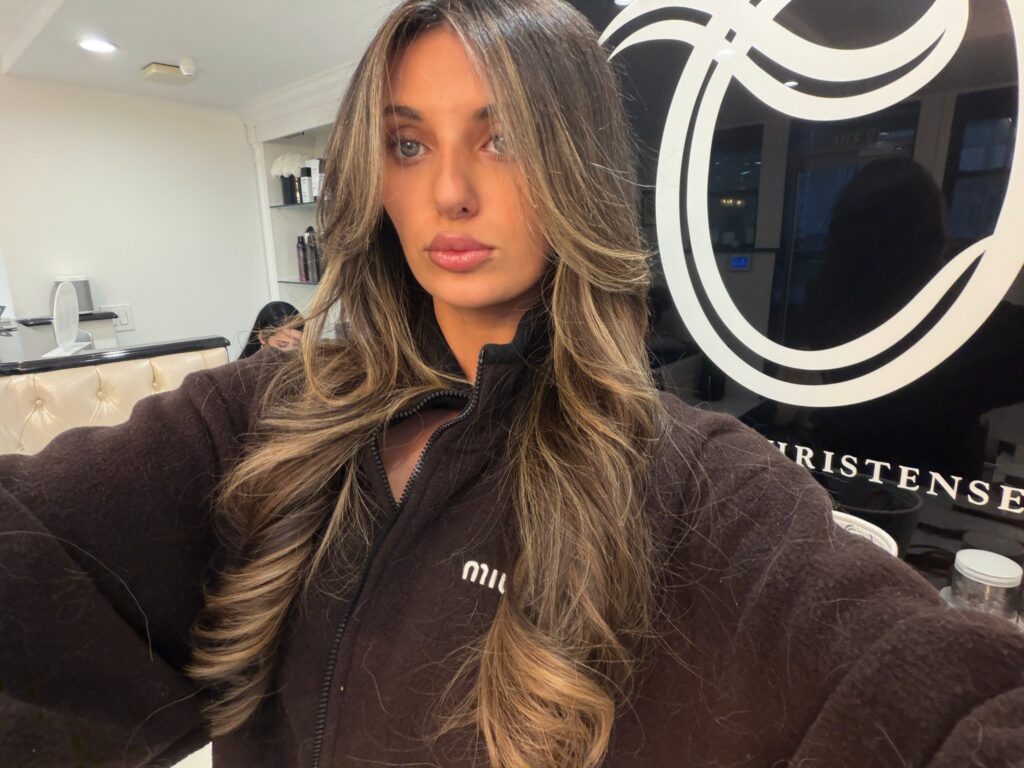
Why We Prefer I-Tips for Luxury Hair Extensions
Now, let’s talk about why we love this method for women seeking luxury hair extensions. At Olivia Christensen Salon, luxury hair extensions are never about adding as much hair as possible. Our goal is to create results that feel effortless, seamless, and completely undetectable in everyday life.
For that reason, i-tip extensions are our preferred method for designing truly luxurious, natural-looking transformations.
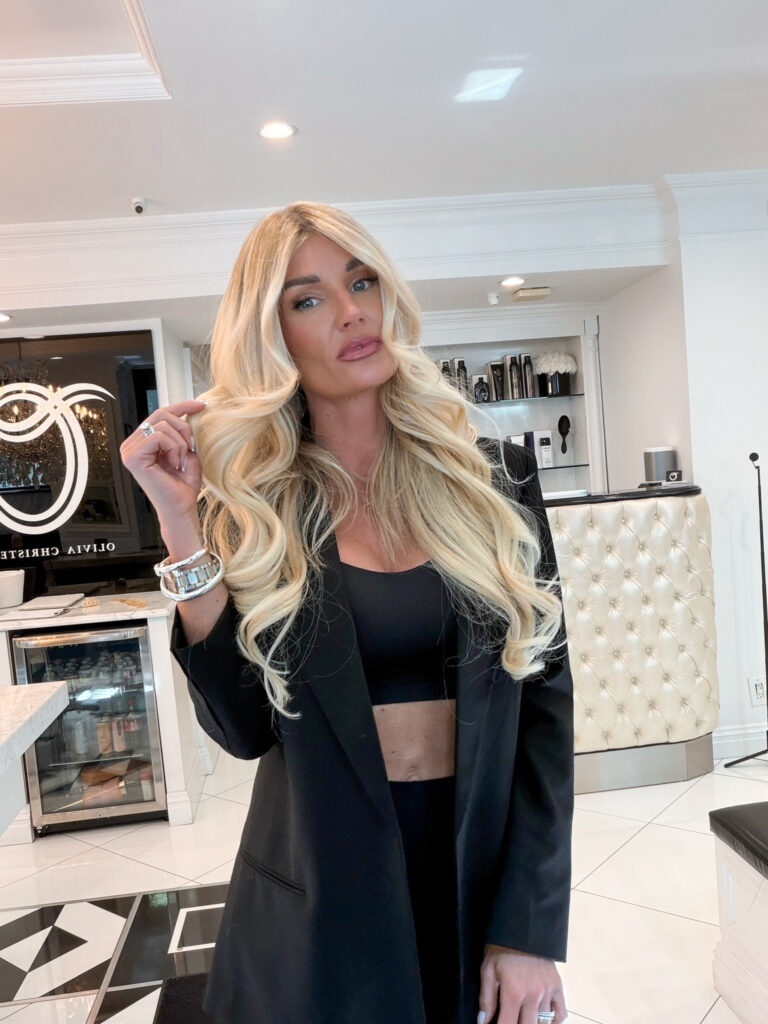
The Luxury Difference
Luxury hair is defined by how it looks and how it feels.
It isn’t about obvious volume or dramatic change; it’s about refinement. The kind of hair that blends so seamlessly, it becomes indistinguishable from your own.
True luxury in hair extensions looks like:
- Invisible installs
- Lightweight comfort
- Healthy, protected natural hair
- Long-lasting wearability
- Seamless blending
- High-quality, full-cuticle human hair
When these elements come together, extensions stop looking like “extensions” and start looking like your hair, just enhanced.
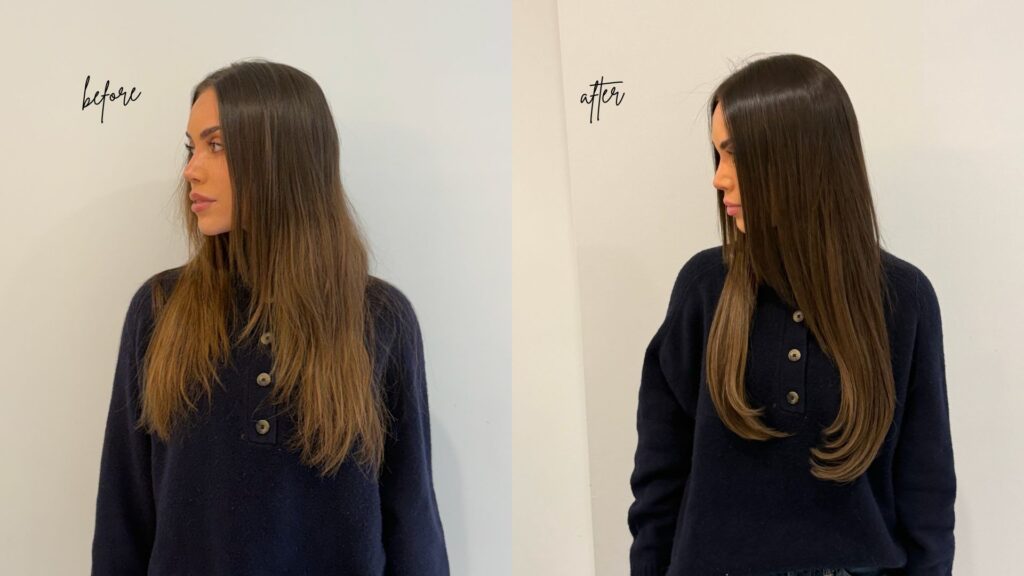
Why I-Tips Excel in Luxury Installations
I-tip extensions allow for a level of precision that supports this philosophy of understated luxury.
Because each strand is placed individually, the stylist has full control over placement, density, and balance. This means the extensions can be built around your natural hair rather than forcing it to adapt to a preset structure.
This level of customization leads to:
- More intentional, tailored placement
- Better weight distribution across the scalp
- A softer, more natural fall of the hair
- Blending that adapts to your unique haircut and face shape
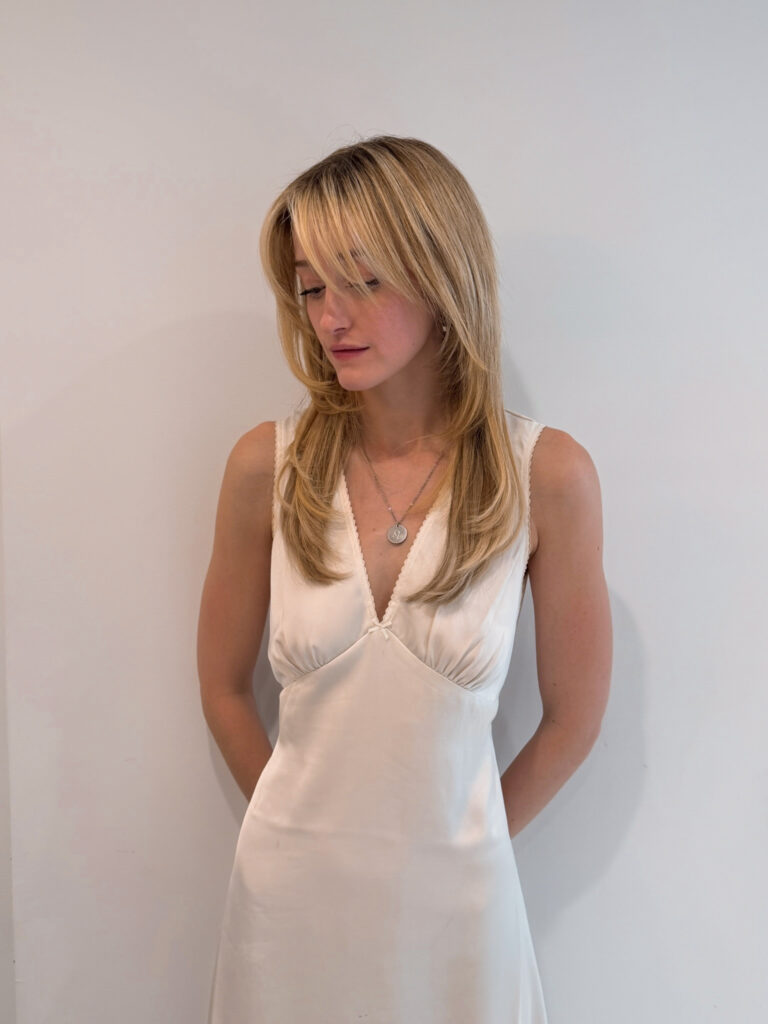
The result is hair that moves, behaves, and photographs like it naturally belongs to you.
Expensive Hair Should Never Look Obvious
One of the core philosophies we stand by is simple: expensive hair should never look obvious.
If someone can tell you’re wearing extensions at a glance, then something in the installation, placement, method, or hair quality isn’t working to its full potential.
I-tip extensions support this philosophy because they don’t rely on heavy rows or large attachment points. Instead, they create softness and invisibility through precision.
When done correctly, the goal is not to have people notice your extensions. It’s for them to notice your hair and assume it has always looked that way.
That is the difference between standard extensions and luxury extensions. And honestly, that’s the Olivia Christensen Salon difference.
Common Myths About I-Tip Extensions
Myth #1: They Damage Your Hair
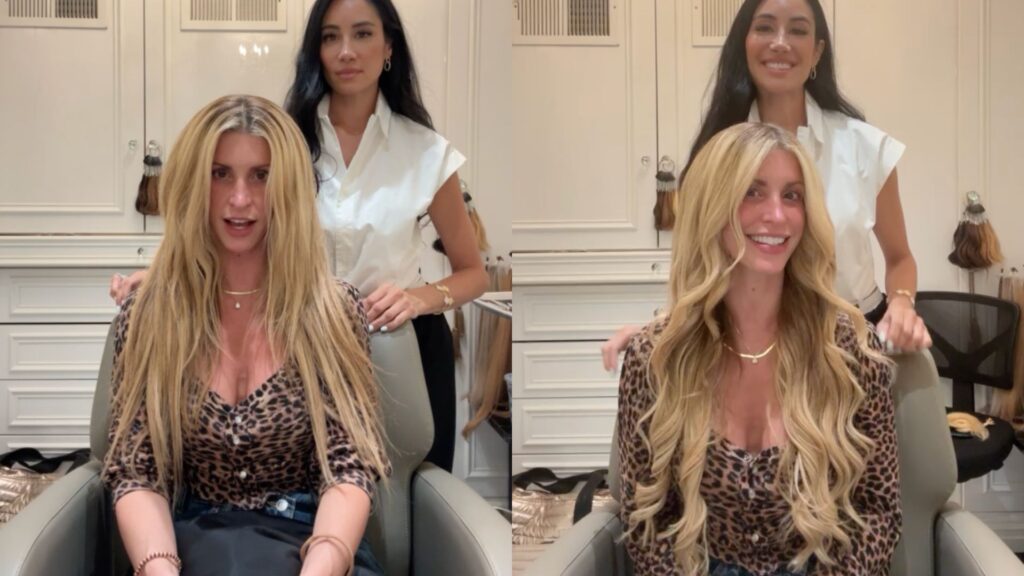
Every single hair extension method can damage your hair. That’s why this myth exists, because most women know someone whose natural hair was damaged by extensions. However, our i-tip method isn’t inherently damaging.
It all comes down to the installation. You need to make sure your hair extensions are done by a specialist. Someone who understands the placement and makes sure they’re not weighing down your natural hair with each bead.
When installed correctly, our clients see incredible natural hair growth the longer they wear our extensions.

Myth #2: They’re High Maintenance
Hair extensions are an investment, so it’s important to take care of them with that in mind. However, they are no more high-maintenance than someone with naturally long and thick hair. You need to brush them gently, follow our simple after-care instructions, and come in for your regular maintenance appointments.
The thing that makes our extensions more low-maintenance than other methods is the ability to style them however you would your natural hair. You can swim, sweat, and travel with these extensions. They are designed to fit naturally into your lifestyle.
Myth #3: They Fall Out Easily
In reality, hair extensions don’t simply “fall out” when they’re properly installed and cared for. Most issues stem from product use and maintenance habits rather than the extensions themselves.
To keep your extensions secure, avoid heavy, oil-based products such as masks and oils near the bonds, and use a gentle, extension-safe shampoo and conditioner. Brushing carefully with the correct tools also plays a key role in maintaining a strong, long-lasting hold.
Occasionally, a strand may loosen or come out, but this is rare. When it does happen, it’s nothing to worry about. Simply bring it to your next appointment, and we can easily reinstall it during your maintenance visit.
So, Are I-Tip Extensions Better Than Wefts?
The answer:
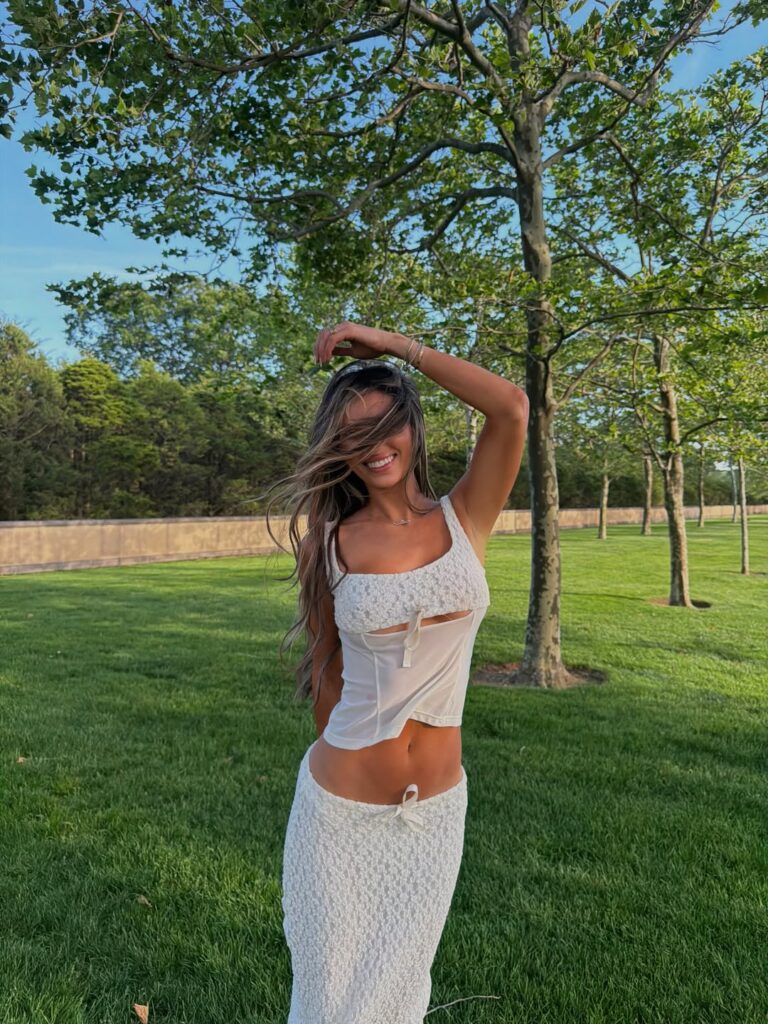
It depends on your hair goals.
If you want:
- Maximum customization
- Natural movement
- Lightweight wear
- Invisible results
- Luxury hair
Then i-tip extensions are the better choice.
If you have very thick hair and want dramatic volume quickly, wefts may be a good option for your hair and lifestyle.
The best extension method isn’t the one trending on social media; it’s the one customized to your hair, lifestyle, and goals.
If you’d like to learn more about our luxury i-tip extension method, book a consultation with our founder, Christina, who can help you determine the best solution for your needs.

FAQs
Are i-tip extensions better for thin hair?
I-tip extensions are often an excellent option for thin or fine hair because they’re applied strand by strand. This allows for more precise placement and a lighter, more customizable result that doesn’t rely on heavy rows.
Do i-tip extensions damage your natural hair?
When installed and maintained correctly by an experienced stylist, i-tip extensions should not damage your natural hair. Most issues arise from improper installation, incorrect tension, or poor at-home care rather than the method itself.
How long do i-tip extensions last?
The hair itself can last multiple installations with proper care, while maintenance appointments are typically required every 6–8 weeks to move the beads up as your natural hair grows.
Are wefts or i-tips more comfortable?
Comfort depends on your hair type and preference, but many clients find i-tip extensions lighter and more flexible due to their strand-by-strand placement. Wefts can feel slightly heavier because the hair is concentrated into rows.
Can you wear your hair up with i-tip extensions?
Yes. One of the advantages of i-tip extensions is their styling versatility. They can be worn in ponytails, buns, braids, and updos when properly installed and blended.
Which extensions look the most natural?
Both methods can look natural when applied correctly, but I-tip extensions are often chosen for their ability to mimic natural hair movement and create a seamless, undetectable finish through precise placement.
Conclusion
So, given everything we’ve covered today, are i-tip extensions better than wefts?
The truth is, there isn’t a one-size-fits-all answer, and that’s exactly why we want to have these conversations.
Both i-tip extensions and weft extensions can create beautiful, transformative results when they’re matched correctly to your hair type, lifestyle, and long-term goals. The best hair extension method is never about trends or popularity; it’s about what works for your hair.
For many clients, especially those with finer or medium-density hair, i-tip extensions tend to offer a lighter, more customizable, and more natural-looking result. Our strand-by-strand application allows for seamless blending, better weight distribution, and the kind of invisible finish that defines true luxury hair extensions.
Wefts, on the other hand, can be a great option for clients with thicker hair who want more dramatic volume in a shorter appointment time. Both methods have their place, but they serve different needs.
When comparing i-tip extensions vs weft extensions, the real question isn’t which is “better” overall; it’s which is better for you. Your hair density, your maintenance preferences, and your lifestyle all play a role in that decision.
At Olivia Christensen Salon in New York City, every extension plan is fully customized. Because luxury hair isn’t just about length or volume, it’s about creating results that feel effortless, natural, and completely aligned with your everyday life.
If you’re exploring i-tip hair extensions and want guidance on whether they’re the right fit for you, a professional consultation is the best place to start. That’s where we design a plan that protects your natural hair while giving you the seamless, elevated result you’re looking for.
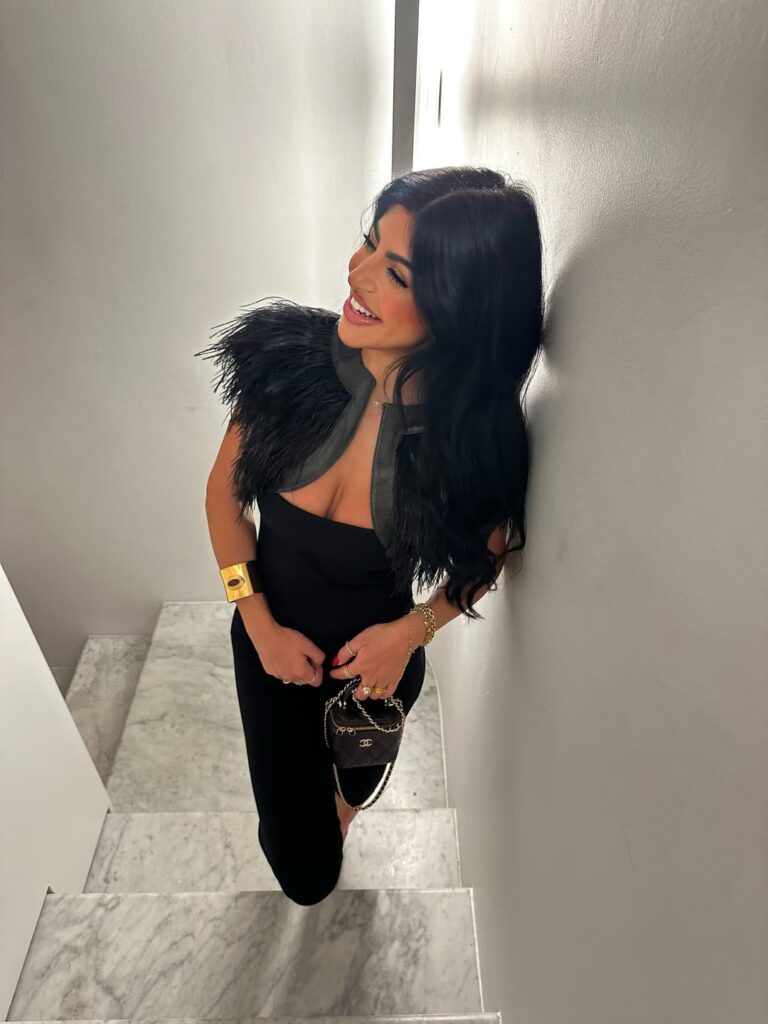
The best extensions are the ones that look like they’ve always been a part of your natural hair.