“Be honest… will hair extensions ruin my real hair?”
This is one of the most common questions that we get during our extension consultations. And we get it, this fear is understandable.
There’s a good chance that you’ve seen some horror stories about hair extensions online. Things like breakage, thinning, and bald spots are just some of the problems that poorly installed hair extensions can cause.
But here’s the truth:
When installed properly, hair extensions don’t ruin your natural hair.
It’s improper installation, poor maintenance, low-quality hair, and rushed salon experiences that cause your hair extensions to damage your natural hair.
When done correctly, hair extensions can actually protect your natural hair and help it grow longer and stronger over time.
Let’s talk about it.
The Protective Shield Concept: How Extensions Can Actually Help Your Hair Grow
This is the thing that most people never hear.
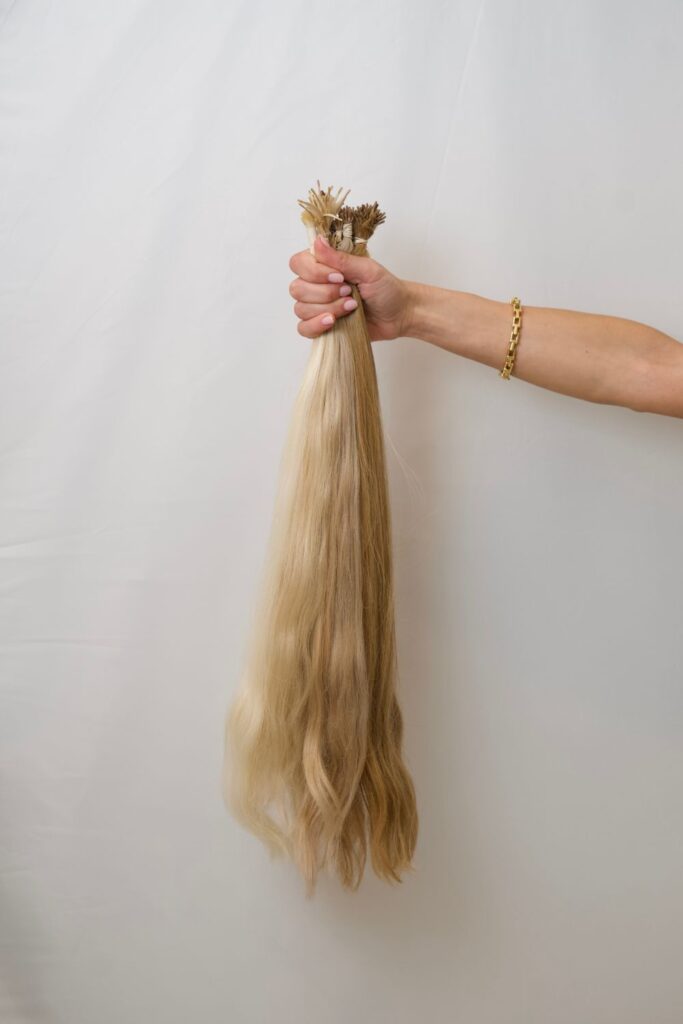
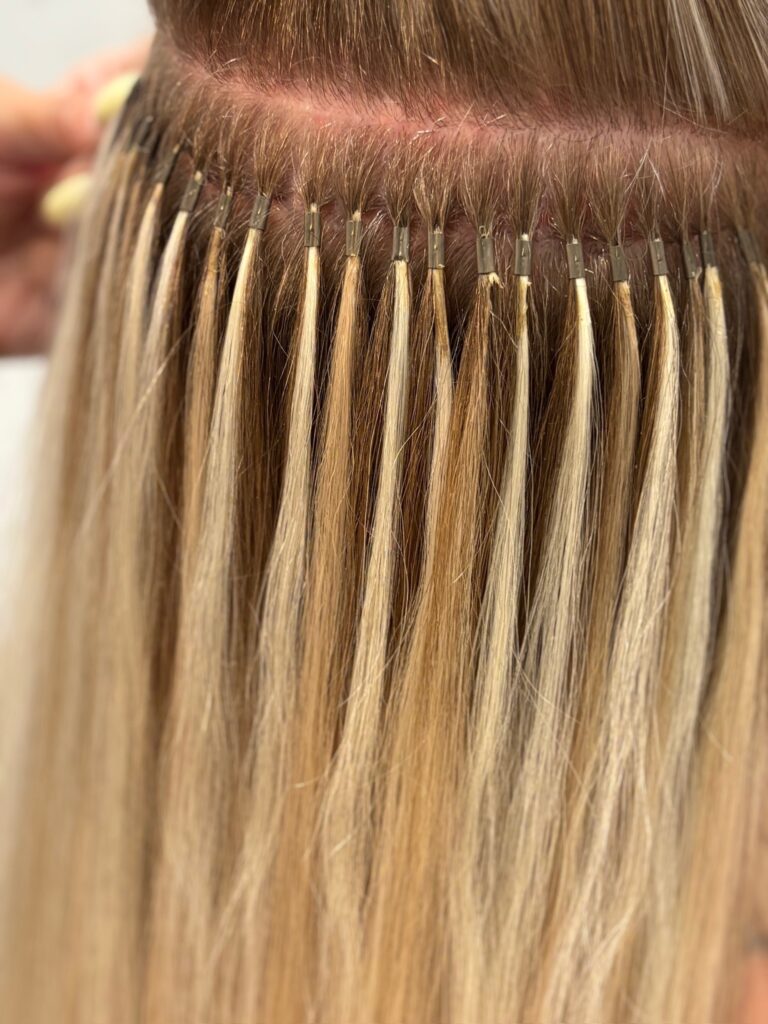
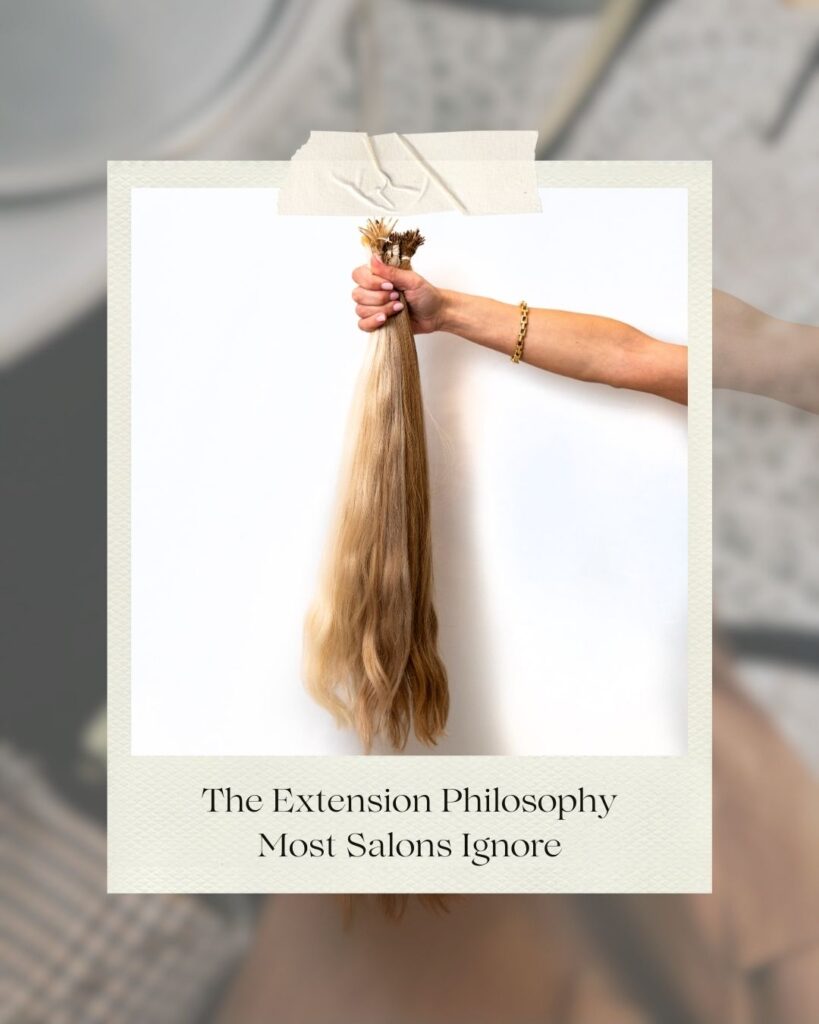
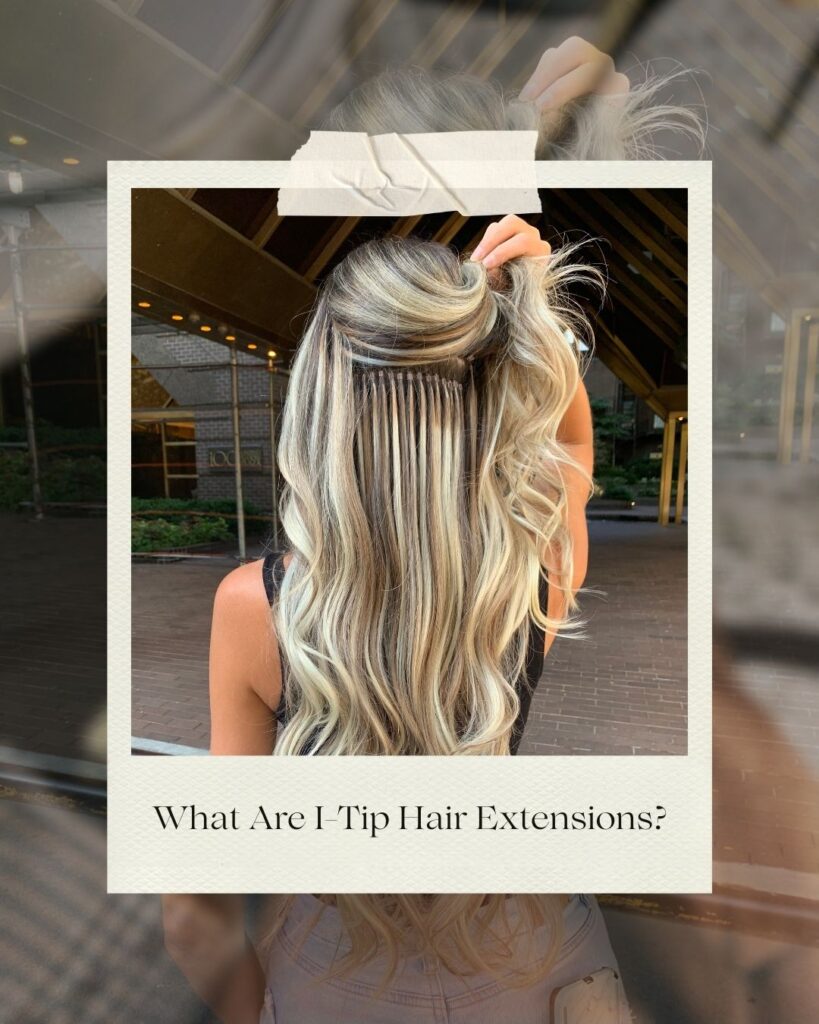
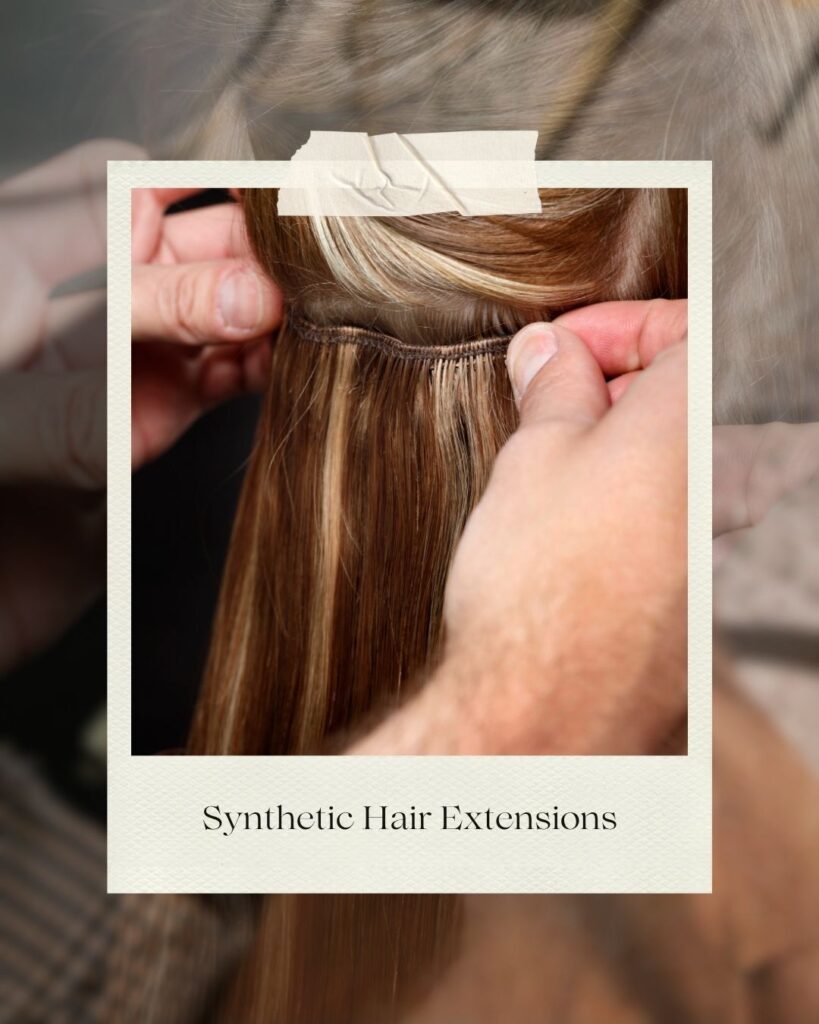
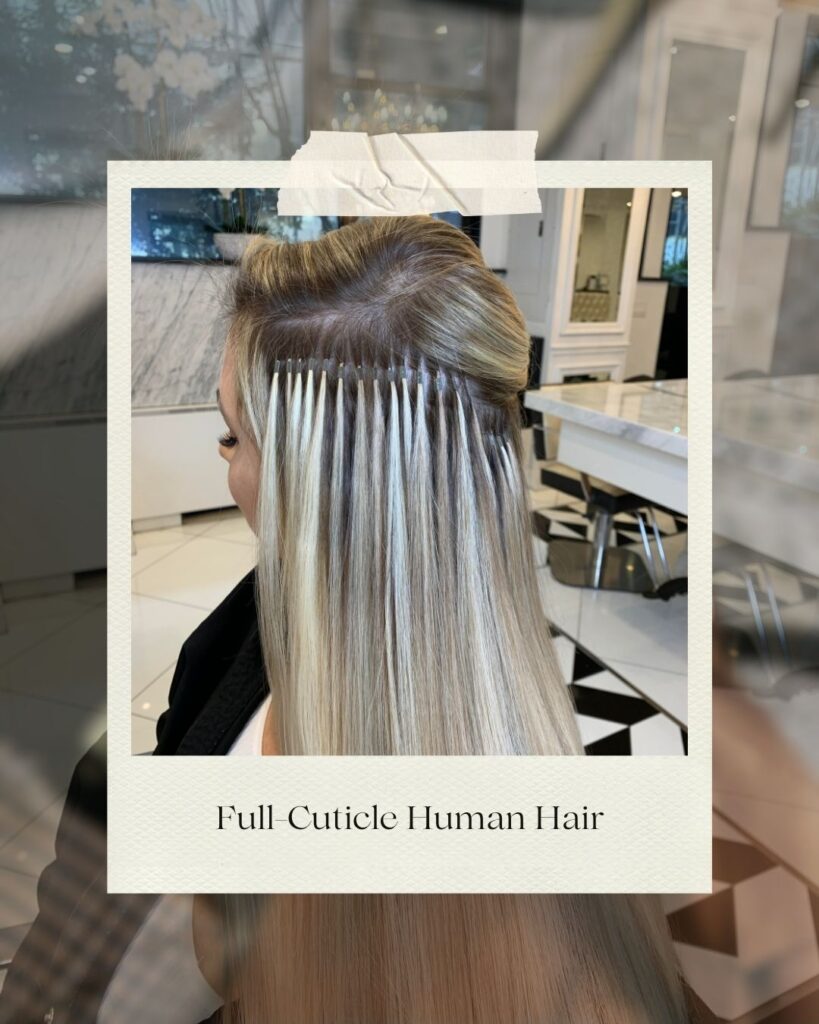
When installed correctly, i-tip hair extensions act as a protective shield for your natural hair. Here’s what we mean by that.
With our i-tips, your extensions take the brunt of daily styling. Things like heat tools, environmental stress, friction, and even brushing tension.
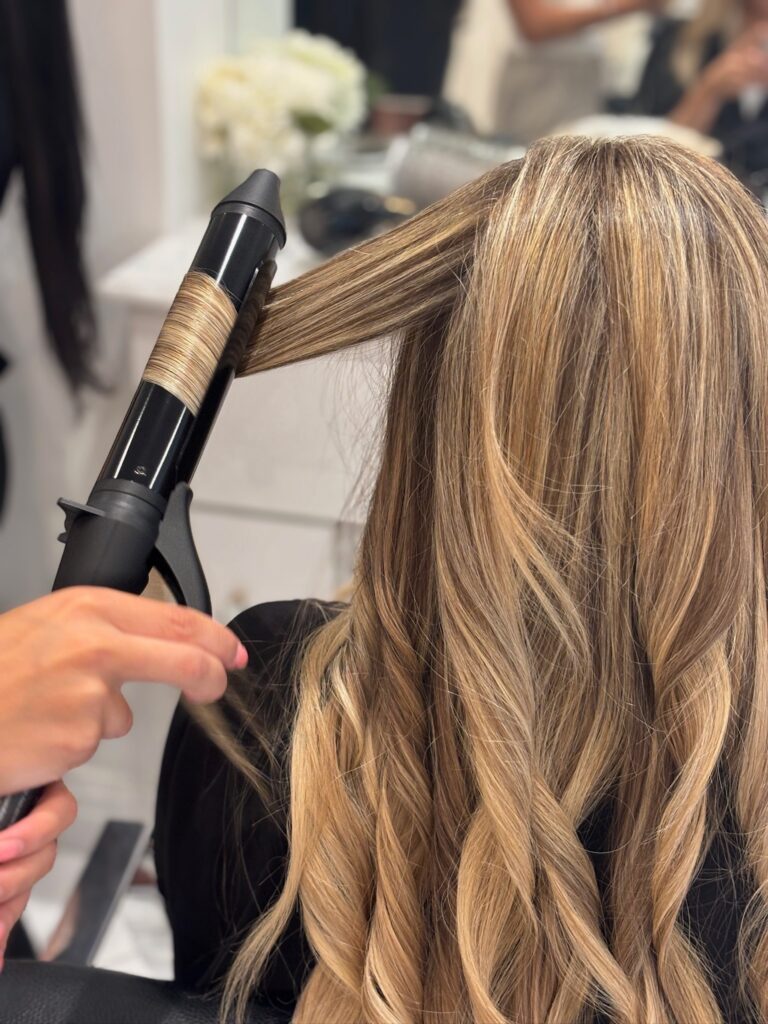
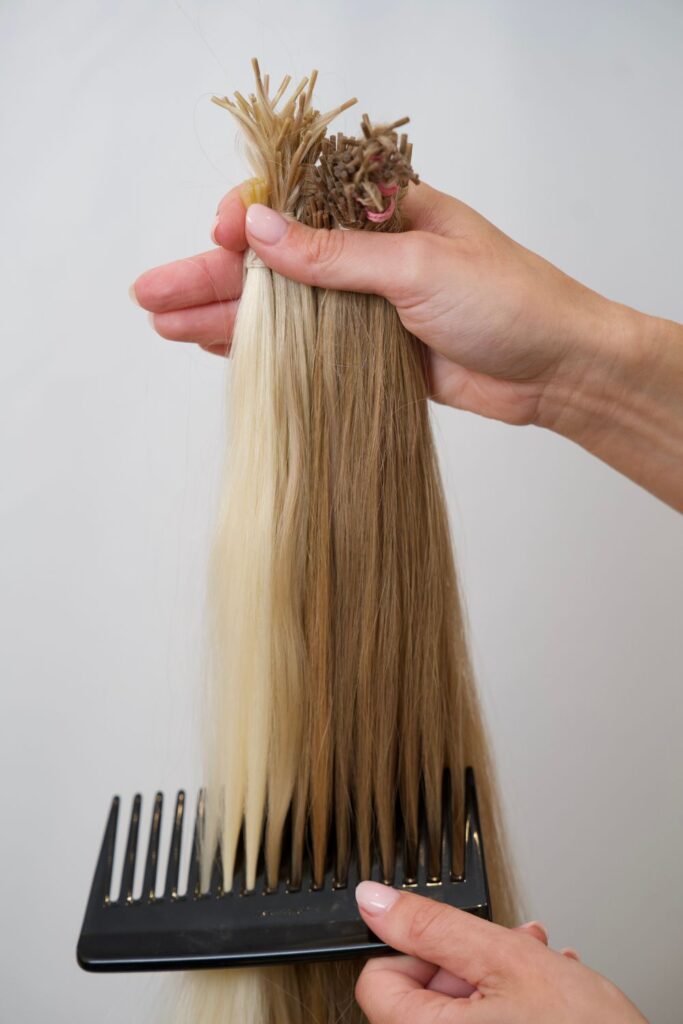
Instead of constantly curling or straightening your real hair, you’re styling the extension hair. That reduces the risk of repetitive heat damage to your natural strands. Plus, with our full-cuticle, real-human hair extensions, they hold your style so you don’t have to recurl your hair every day.
Extensions also add weight and structure, which can reduce over-manipulation. Clients tend to “mess with” their natural hair less when it already looks full and styled.
And because the extensions create a fuller baseline shape, many clients don’t feel the need to over-process their own hair with excessive lightening or chemical treatments.
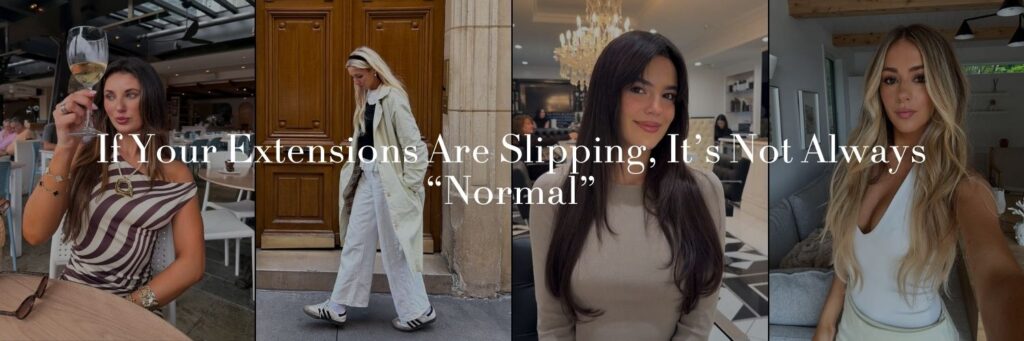
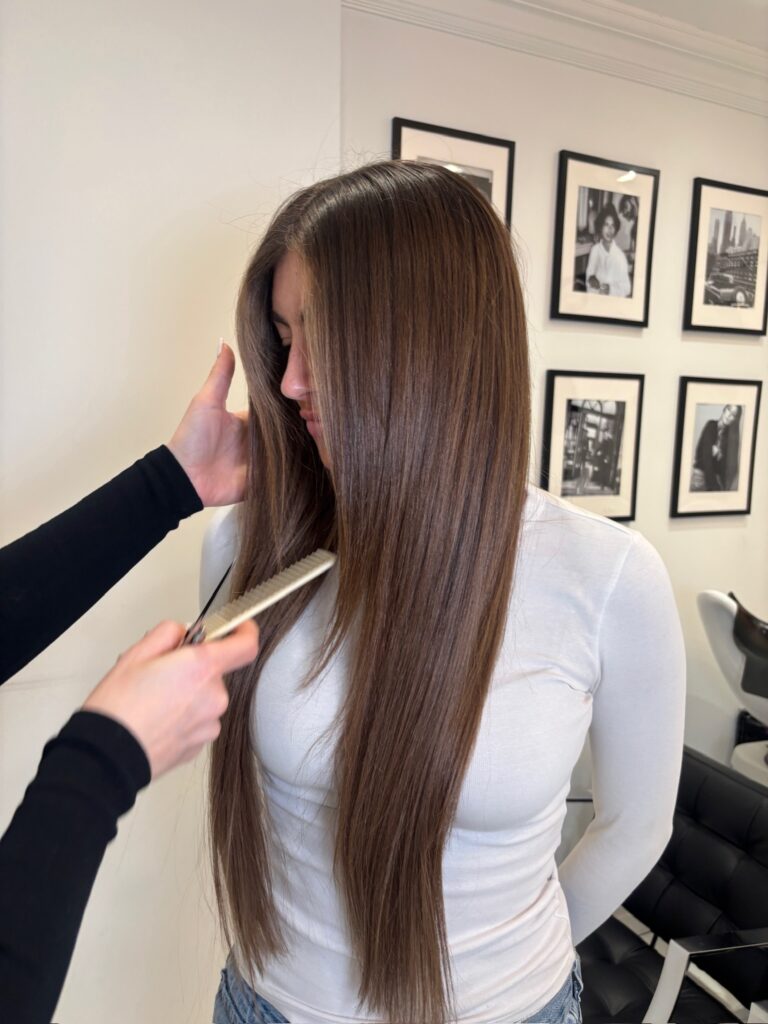
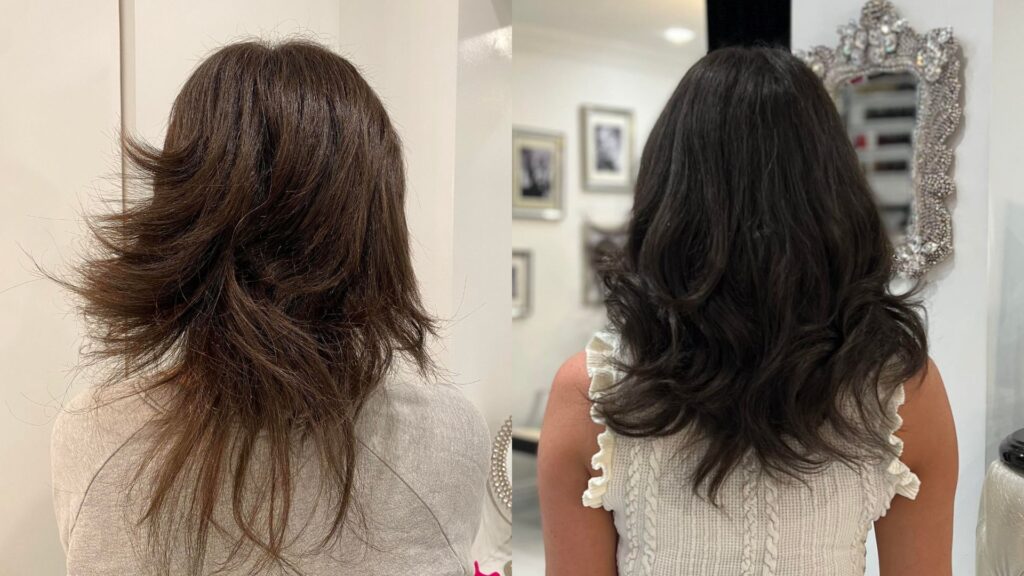
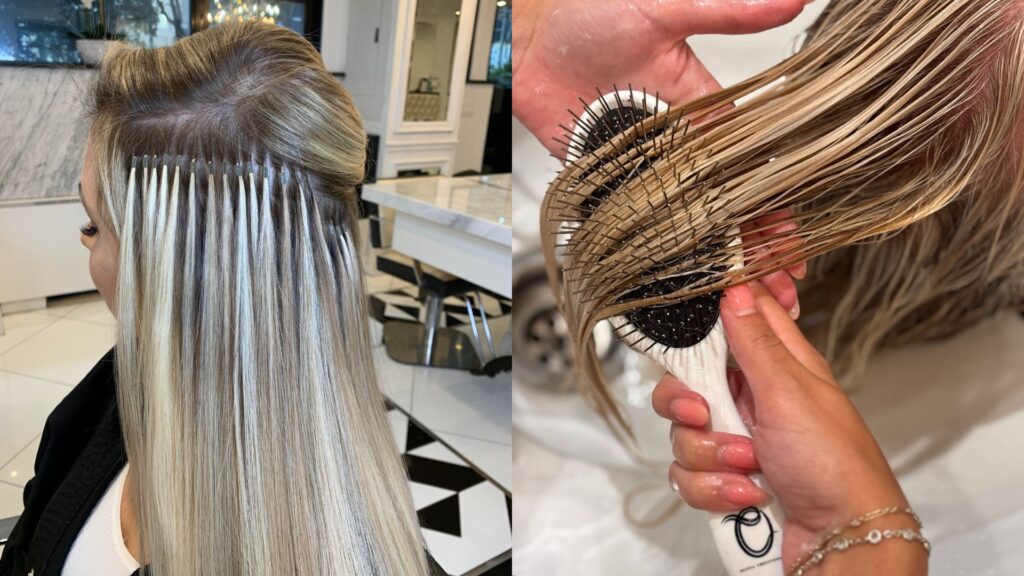
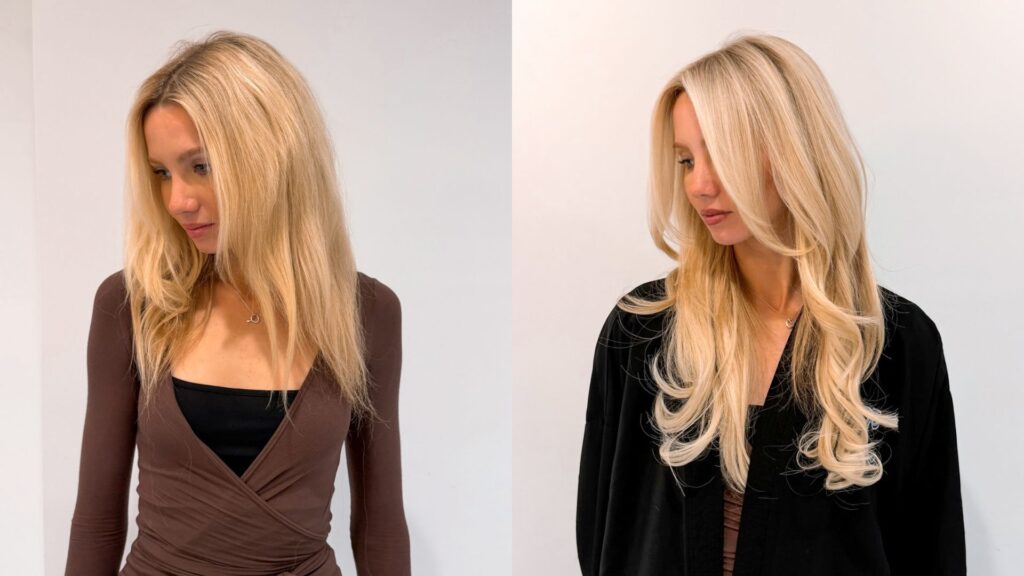
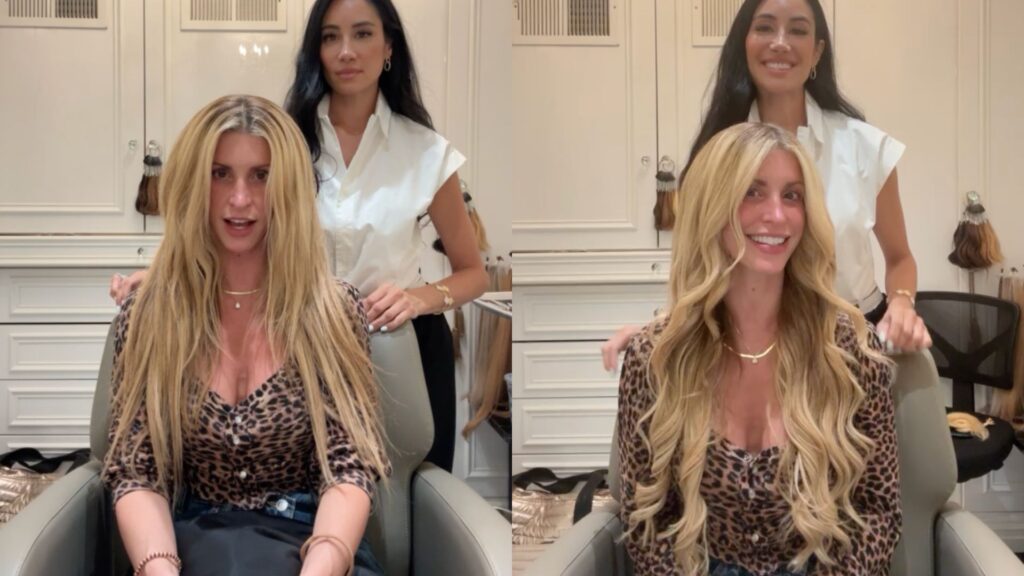
We see this often with influencers and long-term clients. Their before photos show finer, shorter hair. After consistent, properly maintained extensions, their natural hair underneath appears thicker, healthier, and longer.
Not because the extensions magically grew it.
But because it was protected. And when your hair is shielded from constant daily stress, it thrives.
When Extensions Actually Do Cause Damage
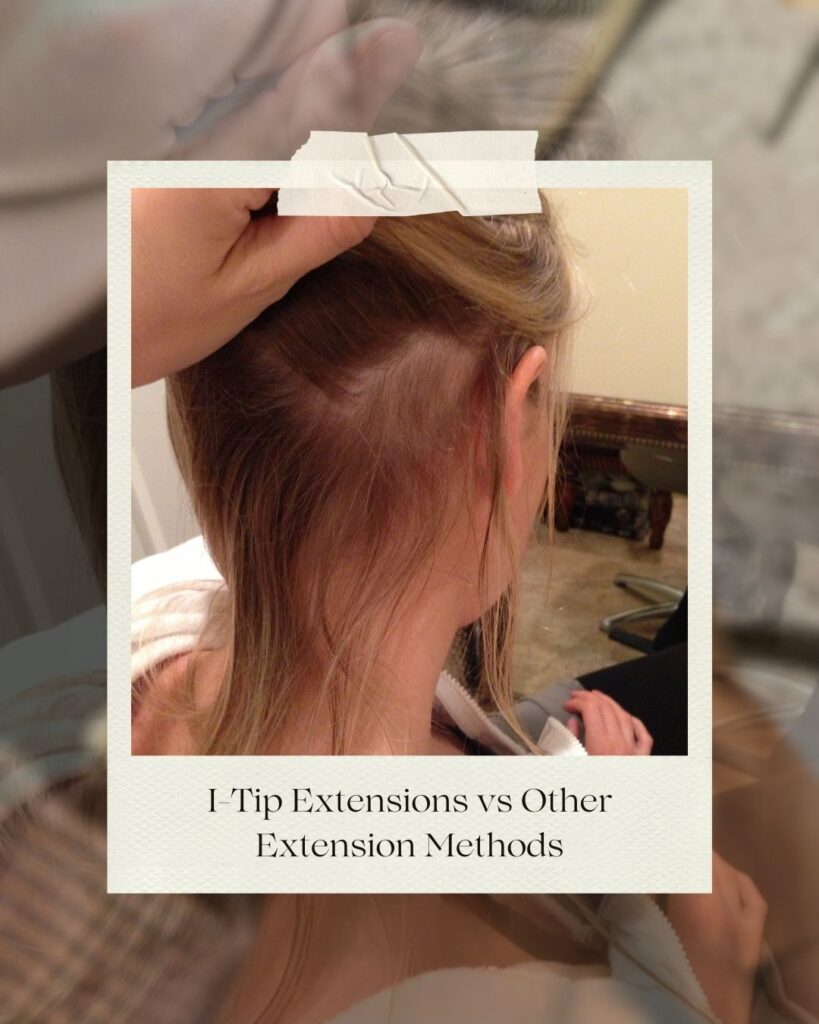
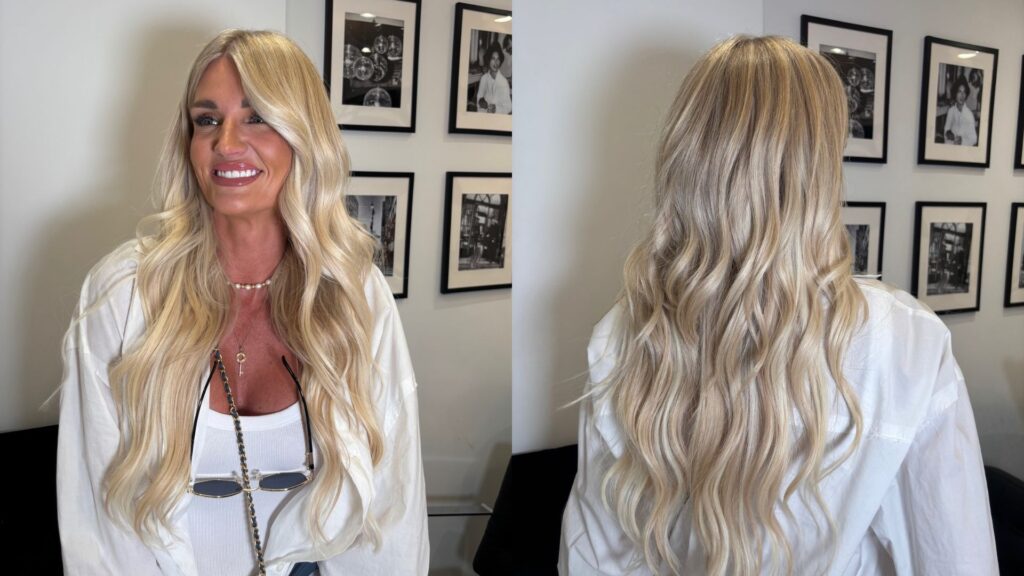
We won’t lie to you, though. Hair extensions can cause damage to your natural hair. We see it all the time when new clients come to us with bald spots and damage. But this doesn’t happen randomly.
It happens when:
- Extensions are installed too tightly
- Beads are placed incorrectly
- The wrong amount of hair is used per section
- Maintenance appointments are delayed
- The wrong kind of extension method is used for someone with thin or easily damaged hair
- The stylist moves the beads up instead of properly removing and reinstalling them
That last one is more common than people realize.
Some stylists “slide” the bead up during maintenance instead of fully removing it and reinstalling it properly. Over time, this creates tension at the root and stress on the natural strand.
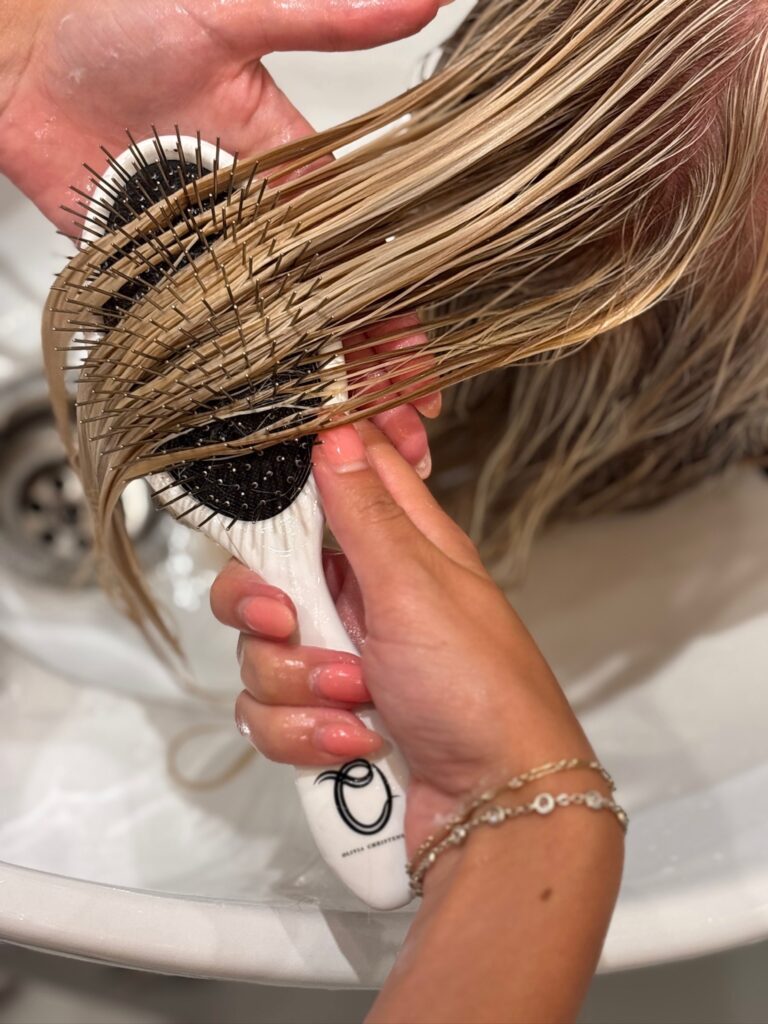
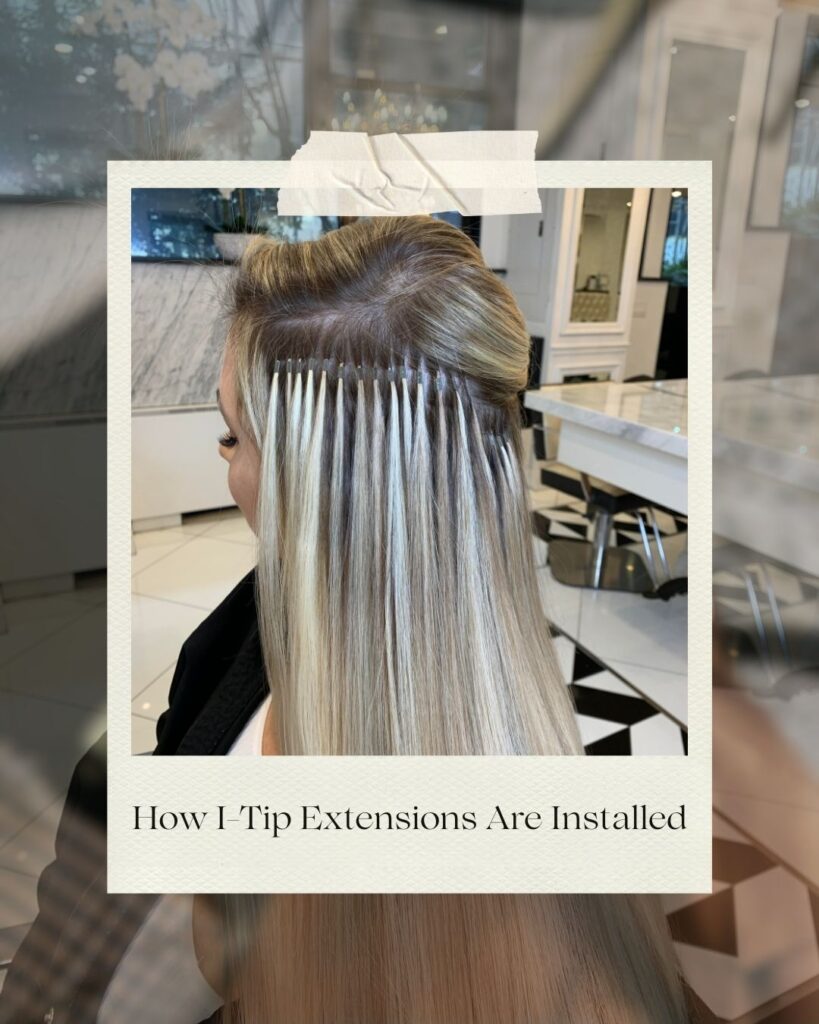
Proper i-tip maintenance requires precision. The bead should be removed, the natural hair assessed, and the extension reinstalled cleanly, not dragged upward.
With i-tip extensions, much of the damage comes from a stylist taking shortcuts or not knowing how to properly work with them.
I-Tip Extensions vs Every Other Method
We’ve talked a lot about the different hair extension methods in the past. And here’s the thing, not all extension methods affect the hair the same way. Let’s break it down honestly.
I-Tip Extensions
Pros:
- No heat or glue
- Reusable hair
- Flexible, natural movement
- Individual placement allows customization
- No bulky wefts
Cons:
- Requires proper maintenance every 6–8 weeks
- Must be kept clean and oil-free at the root
- Installation takes time and skill
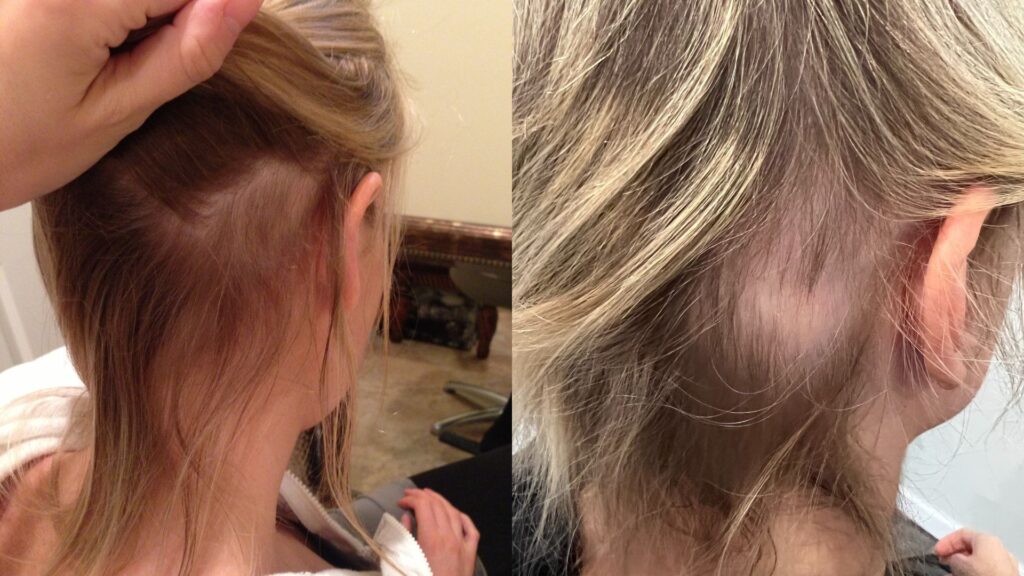
When installed correctly, i-tips distribute weight evenly and allow the natural hair to move freely. They’re one of the safest long-term methods available, but only in experienced hands.
Tape-In Extensions
Pros:
- Faster installation
- Lays flat against the head
- Good for finer hair
Cons:
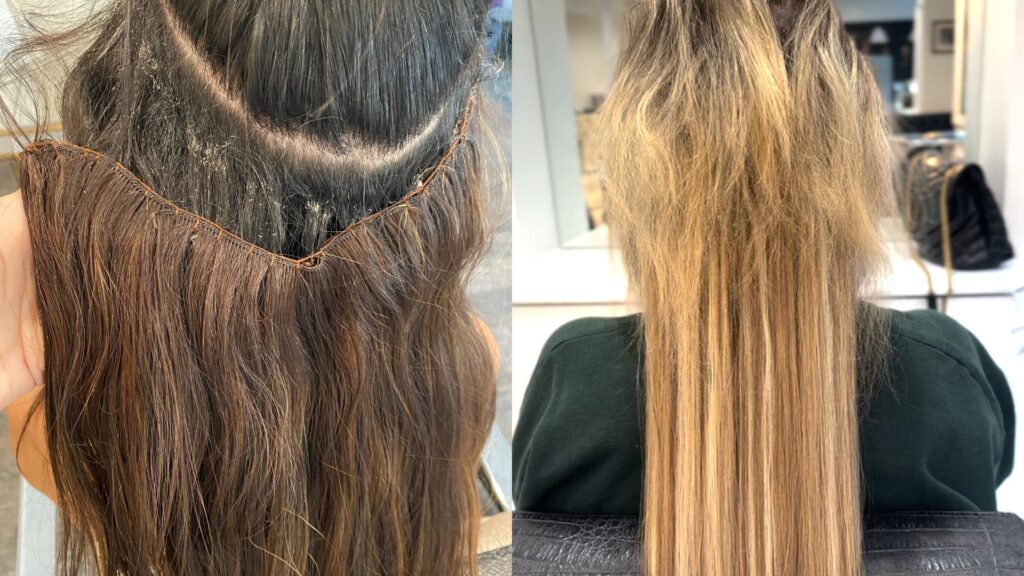
- Adhesive can weaken natural hair over time (and cause bald spots)
- Requires solvent for removal
- Cannot be reused as many times
- Tension spreads across a wider section
- You have to ‘hide’ the tape when styling your hair (especially up)
Tape-ins can be good when done correctly, but repeated adhesive exposure and improper removal are common sources of breakage.
Keratin Bond (K-Tip) Extensions
Pros:
- Long-lasting
- Strong hold
- Very discreet when applied well
Cons:
- Requires heat during installation
- The removal process can be hard on your natural hair
- Not reusable
- High risk if improperly applied
Heat-based bonds introduce another variable into hair health. While they can look seamless, they require significant expertise to avoid stress at your roots.
Sew-In or Weft Extensions
Pros:
- Quick volume
- Good for thick hair types
Cons:
- Really heavy-weight distribution (we’ve had some clients say they feel like wearing a wig)
- Can create tension along the braid track
- Less flexible placement
- Harder to style (once again, you have to think about how to ‘hide’ the track, especially when pulling your hair up)
Wefts can work, but the tension created by stitching hair onto your head can be problematic if not installed and maintained correctly.
Why “Factory” Salons Cause Damage
This is the conversation that most salons want to avoid… Factory salons prioritize speed and volume. Multiple clients are scheduled back-to-back, so that stylists are pressured to move quickly. This is where precision suffers.
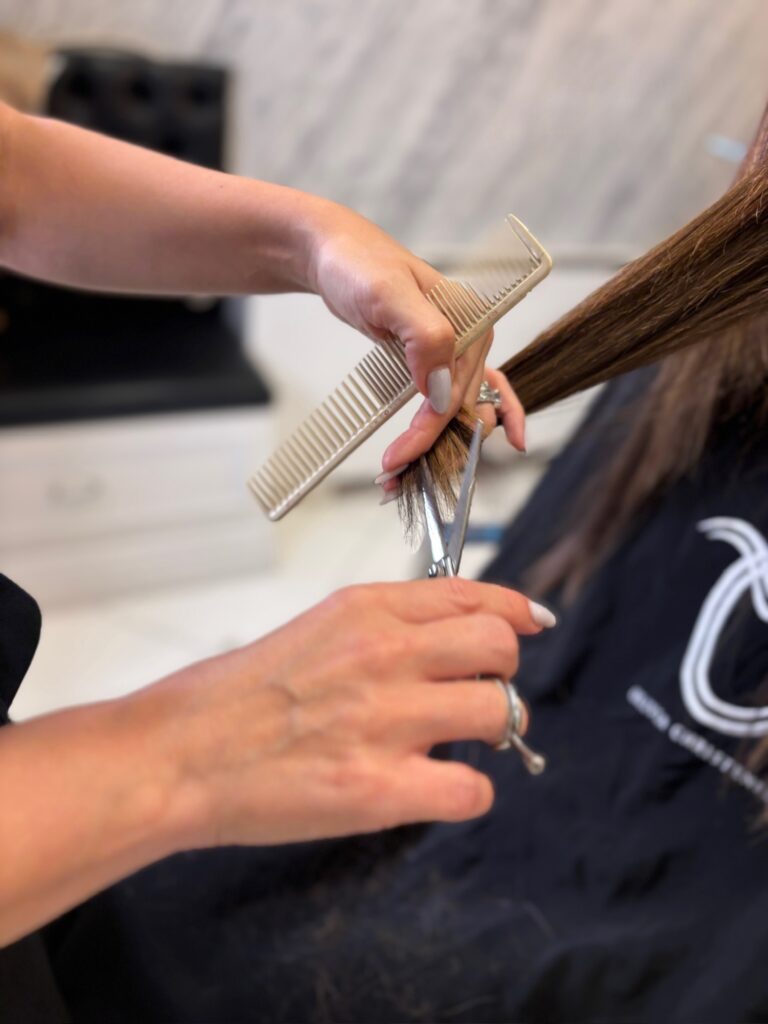
Extensions are not meant to be rushed. Each bundle should be customized, each bead should be sized correctly, and every placement should consider your hair density and lifestyle.
In high-turnover salons, you often see:
- Overloaded sections
- Beads placed too close to the scalp
- Insufficient blending
- Inconsistent maintenance
It’s important that hair extensions are treated like a bespoke service, not an assembly line; your natural hair is going to pay the price.
And this doesn’t mean that luxury hair extension appointments need to last all day. When our clients are in a hurry, we work together to get them in and out as quickly as possible. But at our salon, the health of your hair matters more than the number of installs we can do in a day.
Even Experienced Stylists Make Maintenance Mistakes
Here’s another truth: even stylists who offer i-tip extensions can cause damage if maintenance isn’t done correctly.
Moving beads upward instead of removing and reinstalling them properly is one of the biggest issues we see during corrective appointments.
When a bead is simply slid up the strand, it drags accumulated oil, buildup, and stress upward with it. This creates tension at a new growth point that wasn’t designed to support weight yet.
Over time, that tension weakens the strand.
Correct maintenance requires:
- Removing the bead entirely
- Cleansing the section
- Assessing the natural hair
- Reinstalling the extension properly
There are no shortcuts in healthy extension work.
The Real Question: Are Extensions Ruining Your Hair?
So let’s answer the question that you came here for. If your natural hair is thinning, breaking, or not growing, ask yourself:
- Have my hair extensions been installed with precision?
- Is the hair high-quality and ethically sourced?
- Are you maintaining them on schedule?
- Is your stylist customizing your placement?
- Are shortcuts being taken during maintenance?
When done correctly, i-tip hair extensions should not cause bald spots, excessive shedding, or chronic breakage.
They should feel comfortable and move naturally.
And when removed properly, your natural hair should feel just as healthy — if not healthier — than before.
What Healthy Extensions Should Feel Like
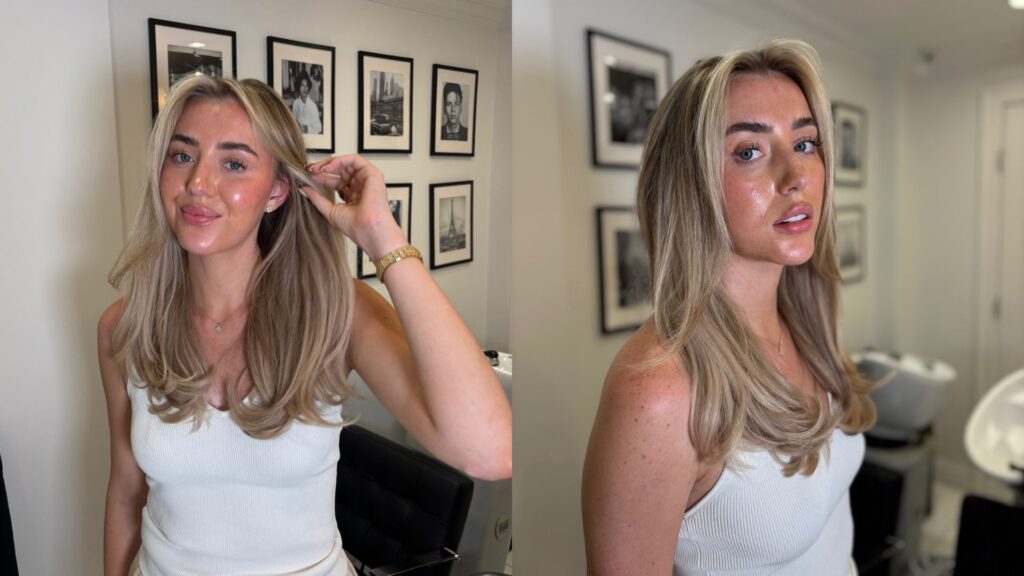
Healthy, properly installed i-tip extensions should:
- Feel lightweight
- Allow natural movement
- Grow out evenly
- Not cause soreness after installation
- Blend seamlessly
You should never feel tension when you pull your hair into a ponytail. You should see excessive shedding every time you brush your hair, and you shouldn’t feel anxiety before maintenance appointments.
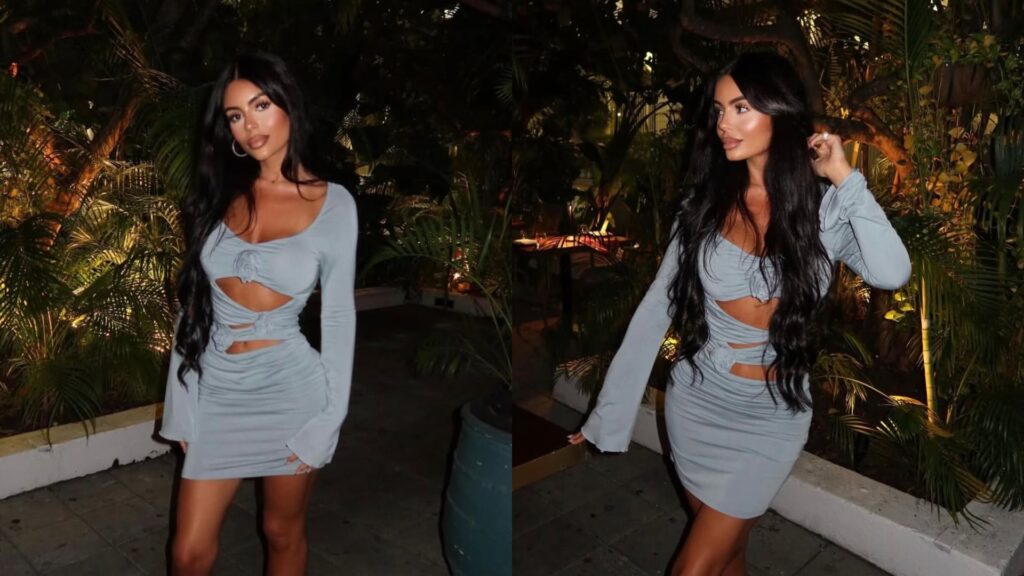
When extensions are done at a luxury level, they blend with your natural hair rather than fighting against it.
The Bottom Line
Hair extensions don’t ruin natural hair.
- Poor technique does.
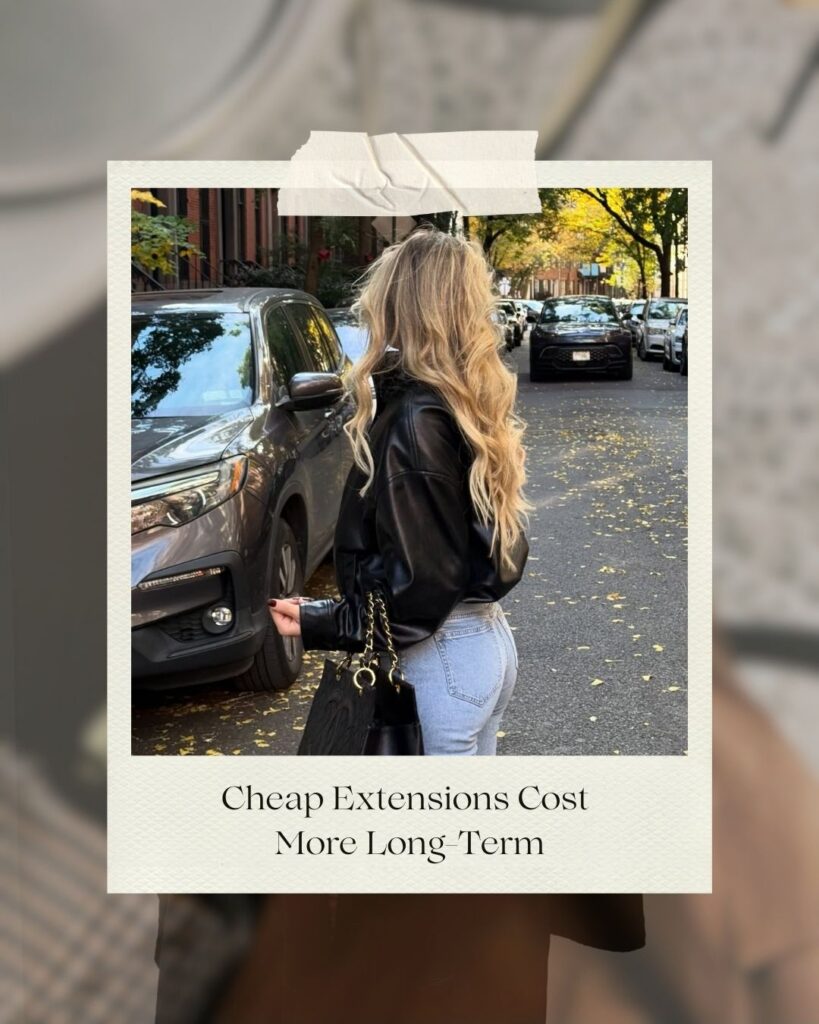
- Cheap hair does.
- Rushed installations do.
- Improper maintenance does.
When you invest in high-quality hair, precise installation, and intentional upkeep, extensions can actually protect your natural hair and support long-term growth.
They’re not the enemy.
They’re a tool.
And like any tool, the result depends entirely on who’s using it.
If you’re unsure whether your current extensions are protecting or compromising your natural hair, schedule a consultation. We’ll assess your installation, maintenance routine, and long-term goals, and create a plan that prioritizes the health of your real hair above all else.
Because luxury extensions shouldn’t cost you your natural hair.
They should enhance it.