
One of the more common questions that we get asked during our hair extensions consultations is: “Are i-tip extensions better than tape-ins?” And if we’re being perfectly honest with you, the answer isn’t a simple yes or no.
Both of these hair extension methods can add length, volume, and confidence, but they achieve those results in very different ways. Just like when we compared i-tips to wefts, the best choice will depend on your hair type, lifestyle, styling habits, and long-term goals.
Welcome back to the blog. We’re Olivia Christensen Salon, and we specialize in luxury hair extensions, helping thousands of women achieve natural, seamless outcomes. While we love i-tips and believe they are the best hair extension method for clients who want absolutely invisible, fully customizable results, we also want to help you make an informed decision about your hair.
So in this guide, we’re going to compare i-tip extensions vs. tape-in extensions to break down the pros and cons of each method, and help you determine which is better for you. If you’ve read our guide comparing wefts to i-tips, some of the information about i-tips might be repeated here.
If you’re interested in learning more about other hair extension methods, you can read this post next.

What Are I-Tip Hair Extensions?
I-tip extensions refers to the installation method where we take a bundle of extension hair and attach it to your natural hair using small beads. There are a few reasons why this method is our preferred choice. For starters, it’s highly customizable both to your lifestyle and hair type (color, density, thickness, etc).
Our founder, Christina, developed her own method of customized blending that makes i-tips the go-to for women seeking truly luxurious results.
A small bundle of your natural hair is likely to contain anywhere from 2-4 different shades. We help you achieve this natural look with your extensions by blending various colors into each individual bundle that is then attached to your natural hair.
Another advantage of i-tip hair extensions is how naturally they move. Again, since we install the hair in small sections rather than large rows, it blends more naturally and offers a greater style versatility. Whether you wear your hair down, in a ponytail, or in an updo, i-tip extensions move with your hair–as opposed to against it.
When properly installed and maintained, i-tips are also one of the most ‘reusable’ hair extension methods. Unlike tape-ins or wefts, this strand by strand method uses no heat, glue or harsh chemicals, so each time you come in for a maintenance appointment, we’re able to safely remove the extensions without damaging your natural hair or the extension hair–prolonging its use for up to a year.
Benefits of I-Tip Hair Extensions
There are many reasons why clients choose i-tip extensions over other methods, including:
- Highly customizable placement and density
- No glue, tape, or heat required
- Natural movement and seamless blending
- Lightweight and comfortable to wear
- Ideal for ponytails, braids, and updos
- Reusable hair for multiple installations
- Suitable for a wide range of hair types
For women who want extensions so natural they can’t tell where their hair ends and the extensions begin, i-tips continuously prove to be the best choice.
What Are Tape-In Hair Extensions?
Tape-in extensions are usually 2 inch-wide wefts of extension hair with a pre-glued band that’s pressed into your roots with a special tool. The idea is to sandwich the tape between two sections of your clean hair, right near the root.
When your hair starts to grow out, the extensions need to be removed and installed again, similarly to i-tips, but with larger sections of hair. And because of the chemicals in the glue and removal process, tape in extensions can usually only be used for two or three applications.
Because tape-ins are smaller sections of hair than traditional sew-in wefts, they tend to be considered one of the best choices for women with thin hair, because they pull on the scalp less and are slightly easier to style. However, they add a lot of hair to the specific areas that they’re glued to, which means the density might not as easily match your natural hair.
Tape-ins are fairly quick to install and you typically need to return to the salon every 6-8 weeks for maintenance appointments, where the extensions will be removed and replaced.
Benefits of Tape-In Hair Extensions
Now that you know how tape-in extensions work, let’s talk about some of the benefits of this method.
- Installation is very quick (most of the time it takes between 45-90 minutes)
- It uses smaller wefts than your traditional sew in extensions, which can mean a more seamless look overall
- They can be a good option for clients with thicker hair
- Tape-ins can add volume fast
Tape-ins are often chosen for their speed and simplicity, but they can start to behave differently once installed.
I-Tip Extensions vs. Tape-Ins: The Biggest Differences
While both methods can enhance length and volume, they differ significantly in comfort, flexibility, and long-term use. Let’s dive into the main differences between i-tip extensions and tape-ins.
1. Natural Movement
For us, it always comes back to natural movement. We talk about this a lot with these blogs, but at the end of the day, one of the most important factors in having hair extensions is having them blend so naturally that no one actually knows you have them.
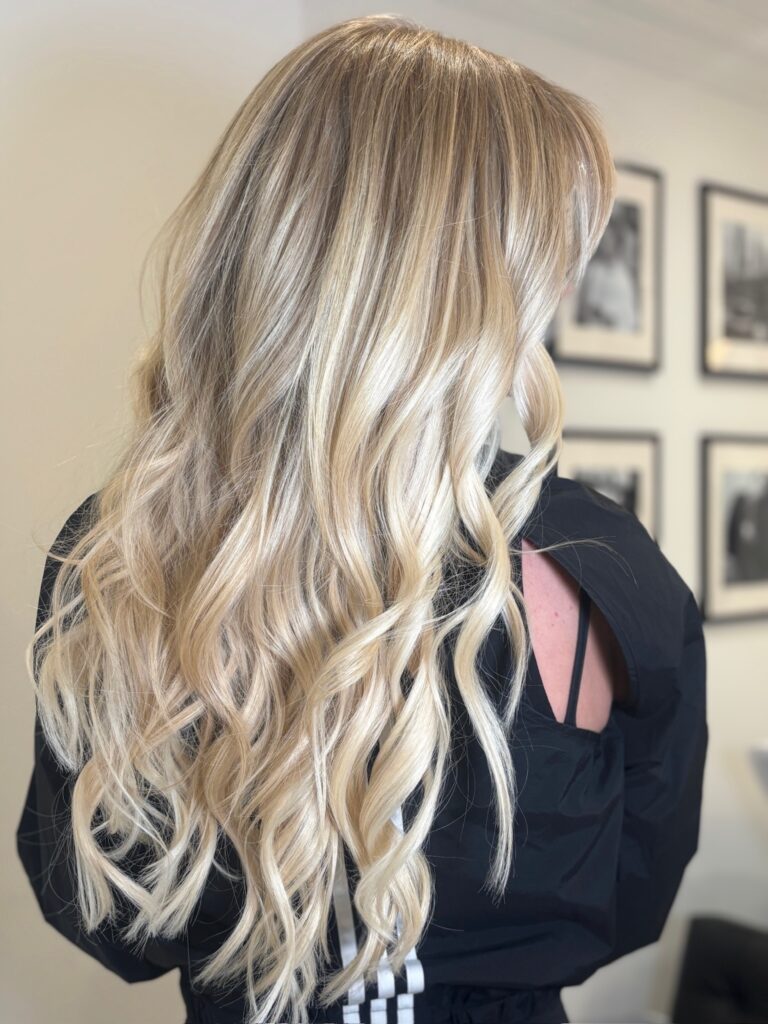
I-tips help you achieve soft, organic movement and this is why we end up loving them so much. The strand-by-strand method gives you the most freedom of movement and flexibility with your extensions.
With tape-in extensions, you’re dealing with larger sections of hair, which just makes the extensions slightly more difficult to style. This is because the hair tends to move in these structured panels, giving you less natural flow.
Verdict: for us, i-tips win for natural movement.
2. Comfort & Wearability
Again, i-tip extensions are installed using small bundles of hair that don’t add any weight to your scalp or natural strands. This is one of the first things our clients notice when they switch from another extension method to i-tips. When installed correctly, you shouldn’t be able to feel them at all.
Tape-ins sit close to the scalp and they’re installed using larger pieces of hair. We typically hear from women that it takes a couple of weeks to get used to wearing them, and that because they’re installed in larger pieces, they can be incredibly difficult to dry gently.
They can feel tight and close to your scalp and in certain areas, the adhesive can become more noticeable over time. Our clients typically report that i-tips feel lighter and more flexible for everyday wear.
Verdict: I-tips win for comfort.
3. Customization
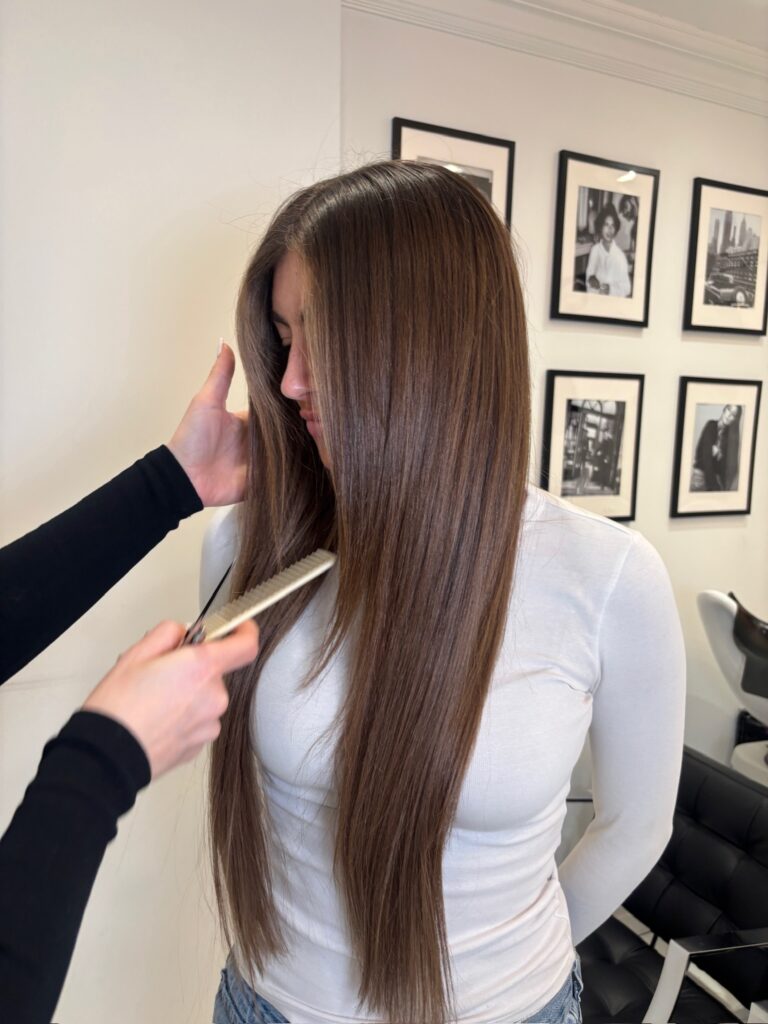
Now let’s talk about how tape-ins vs i-tips can be customized to your hair type and lifestyle. With i-tips strand-by-strand method, we have a lot of customization options. We can customize the exact bundles to match the shades and density of your hair. We can also customize the placement, adding more rows where you need the extra volume, and less rows where they might be visible depending on how you tend to style your hair.
Honestly, the color customization with i-tips is great, but where they really stand out for us is with the density control. Instead of overloading your natural hair with the extensions–we can place bundles strategically.
With tape-ins, you don’t have quite as much customization. The wefts come in pre-set sizes, which can weigh down your natural strands–esepcially if you have thin or fine hair. There is also limited placement flexibility because you need natural hair close to the scalp, and you don’t want to place the tape-ins too close to the bottom of your head.
All in all though, with i-tips you have so much control over the density–and with tape-ins, you just don’t get that level of control.
Verdict: I-tips win for customization.
4. Maintenance
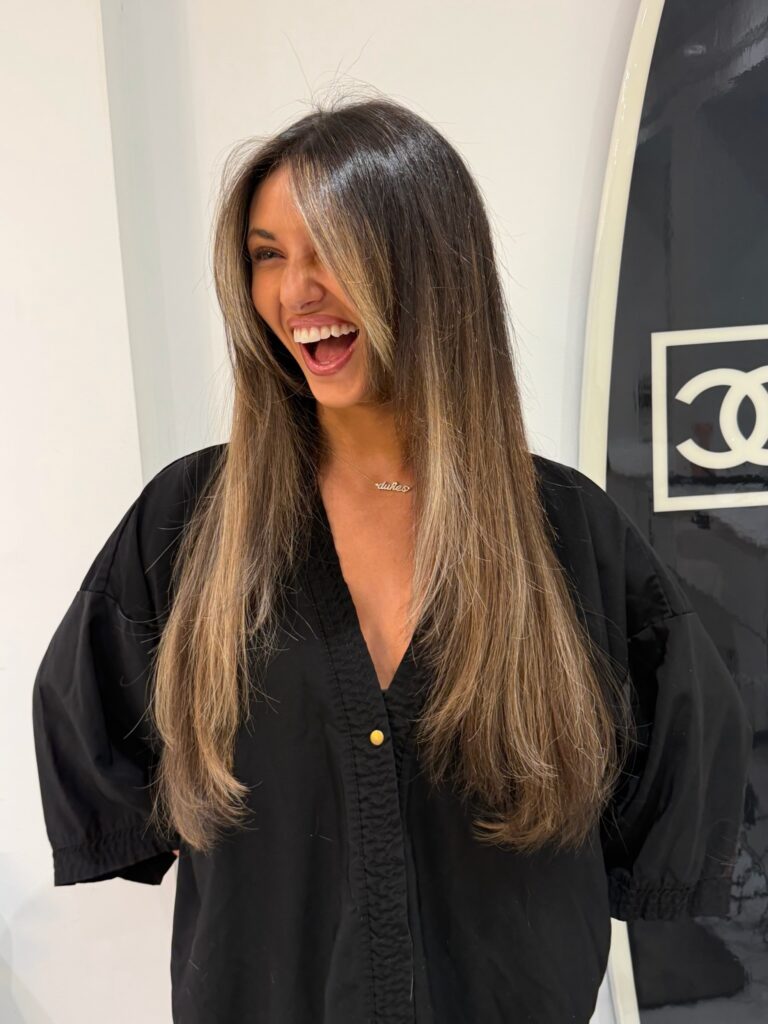
Maintenance is where these two methods become very similar. Both require maintenance appointments every 6-8 weeks depending on how quickly your natural hair grows. With i-tips, we remove the beads, comb out the hair fall and reinstall.
With tape-ins, you need to dissolve the glue and then reglue them with your natural hair. The process isn’t as natural as i-tips tend to be.
Both methods require consistent upkeep, but tape-ins typically involve full replacement of adhesive sections.
Verdict: Tie.
5. Longevity & Reusability
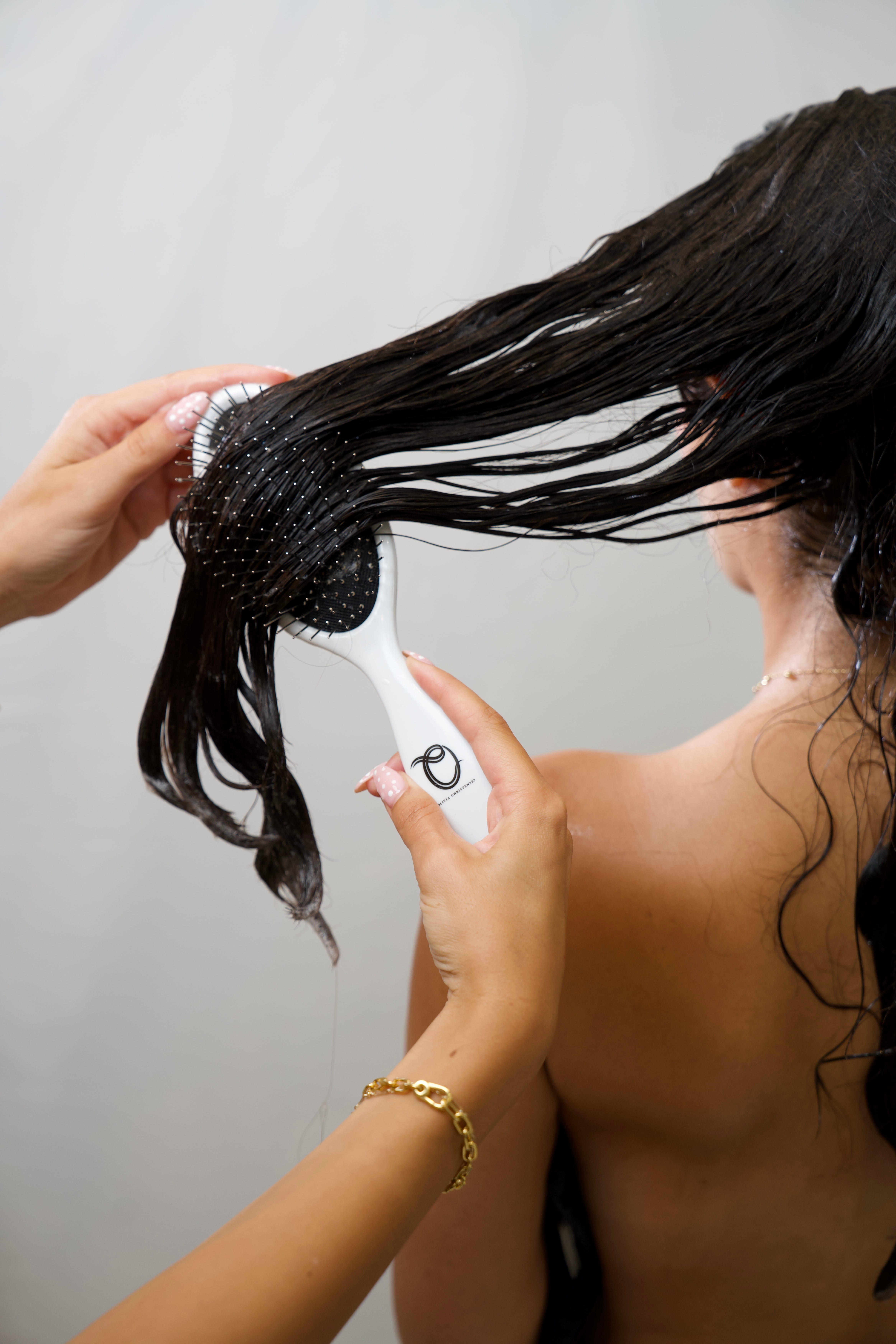
Hair extensions are an investment. With our luxury, full-cuticle human hair, we typically reuse the hair for up to 12 months. The exact length of time varies depending on your lifestyle and aftercare. It’s very important that you never skip a maintenance appointment, because this is the easiest way to get the most out of your investment. And because i-tips don’t use any heat or glue, we’re able to better protect the extension hair, helping it to last even longer.
With tape-ins, they typically tend to last 2-3 maintenance appointments. The glue itself tends to be harder on the hair and it can weaken over time, meaning you’ll likely be able to use the extensions for around 3-6 months.
Again though, reuse is going to depend on the hair quality and how you take care of them.
Verdict: I-tips win for longevity.
6. Styling Versatility
Lastly, let’s talk about styling versatility. We always tell our clients that with i-tips you can style your hair like normal. Ponytails, braids, updos, half-up hairstyles, high buns, you name it. You should be able to achieve any look you want with i-tips–and they should even help your hair hold the style longer.
Tape-ins probably have the next best styling versatility. They can sometimes show in high hairstyles so tend to be best suited for women who mostly wear their hair down or in lower styles.
Verdict: I-tips win for versatility.

Which Hair Type Is Best for I-Tips?
I-tip extensions are best suited for:
- Fine hair
- Thin hair
- Medium-density hair
- Clients wanting invisible extensions
- Clients wanting maximum customization
Because they are lightweight and individually placed, i-tips work especially well for clients who want fullness without bulk.
Which Hair Type Is Best for Tape-Ins?
Tape-in extensions are often better for:
- Medium to thick hair
- Clients wanting quick volume
- Clients who wear their hair down most of the time
- Clients looking for a faster install
Tape-ins can create beautiful results when matched correctly to hair density, particularly for clients who already have a strong natural base.
Why We Prefer I-Tips for Luxury Hair Extensions
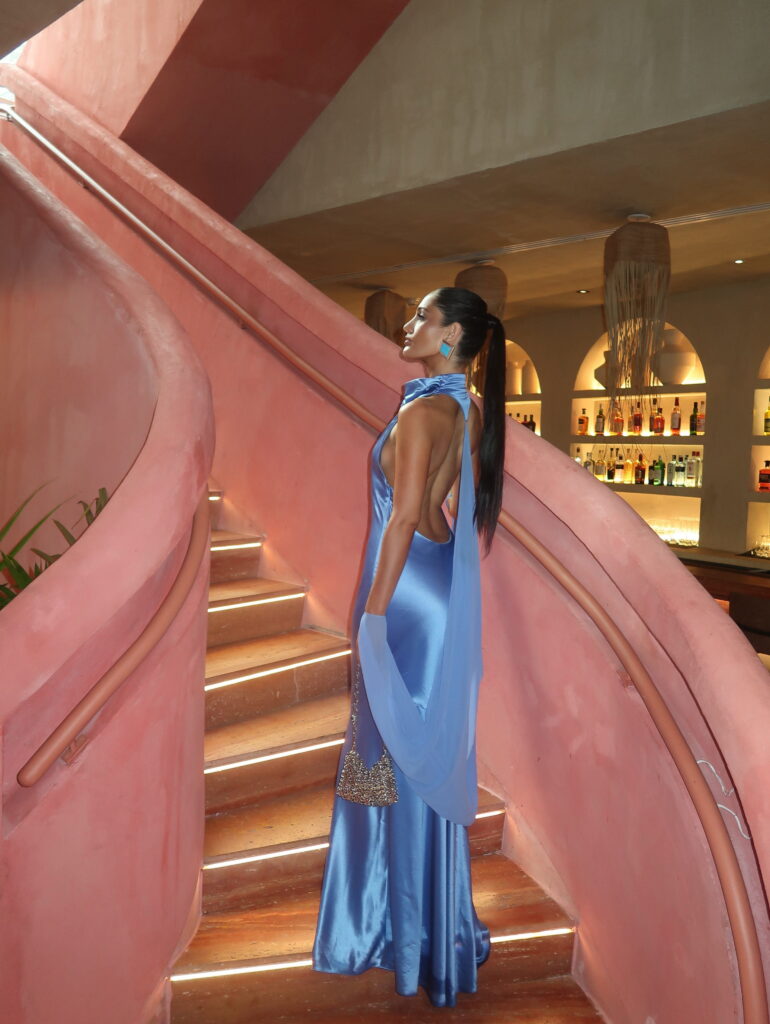
At Olivia Christensen Salon, luxury is never about speed or shortcuts—it’s about precision.
I-tip extensions allow us to create results that are:
- Completely customized
- Seamlessly blended
- Lightweight and comfortable
- Long-lasting and reusable
Most importantly, they support the philosophy that expensive hair should never look obvious.
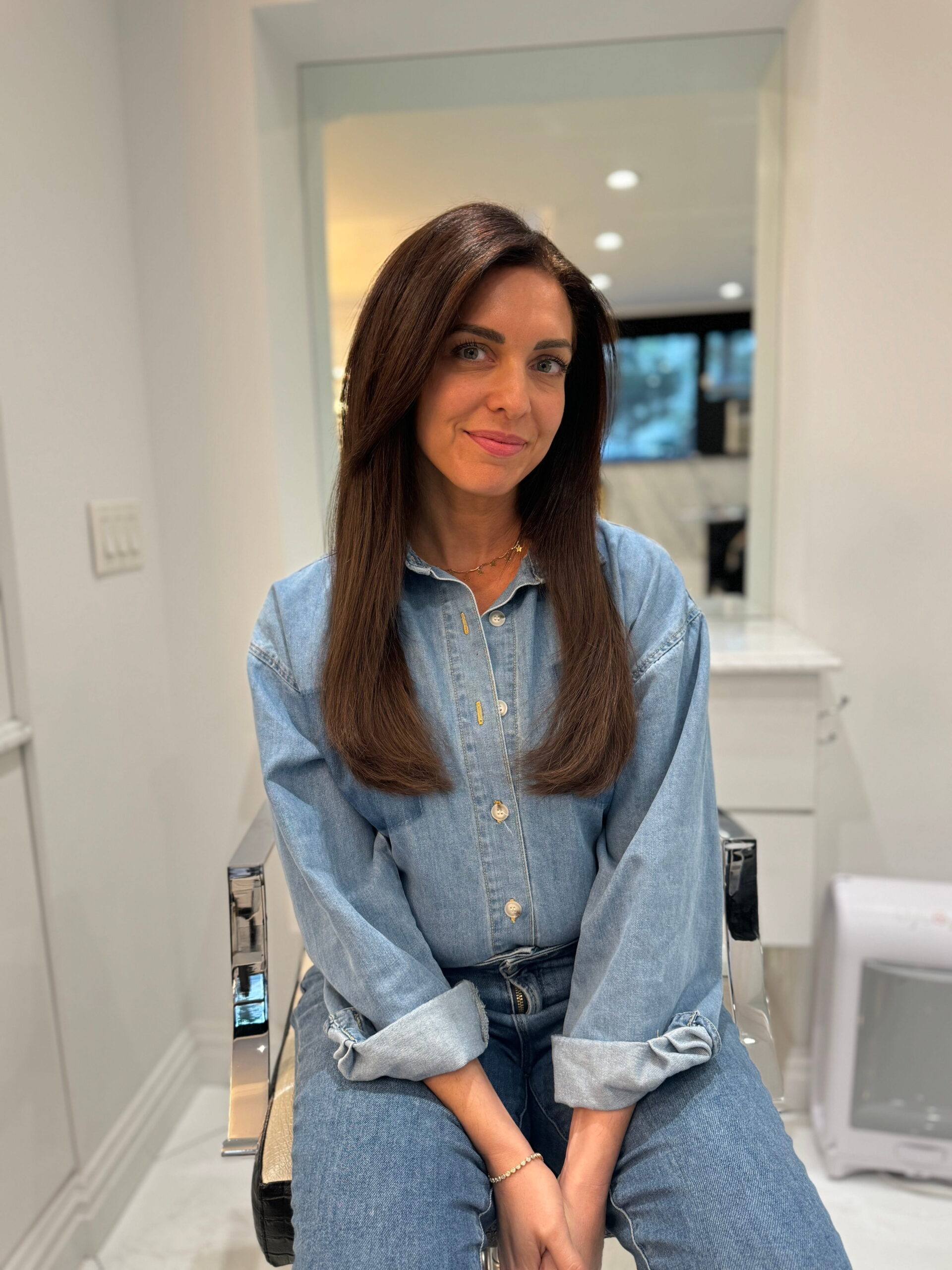
When extensions are done correctly, they don’t announce themselves. They integrate so naturally that they simply become part of your identity.
Common Myths About I-Tips vs Tape-Ins
Myth #1: Tape-ins are less damaging
Damage depends more on installation and maintenance than the individual method. However, at the end of the day, i-tips are the only (long-wear) extension method that doesn’t use heat, glue or harsh chemicals to attach the extensions to your natural hair.
Myth #2: I-tips are uncomfortable
When installed correctly, most clients forget they are wearing them. Unlike other extension methods, i-tips are installed in small bundles that are attached to your natural hair. We don’t attach them near your scalp where it makes it more obvious or uncomfortable. We’re also able to match the density of your natural hair–meaning we’re not going to weigh you down with heavy extensions.
Myth #3: Tape-ins are more natural
Both can look natural—but i-tips offer more movement and customization.
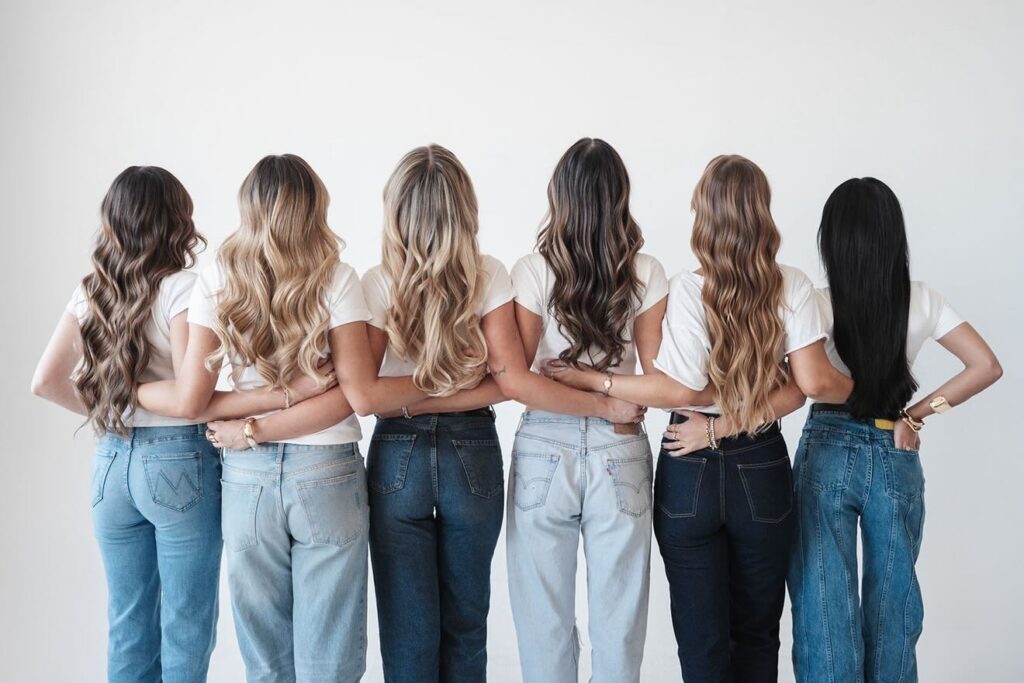
So, Are I-Tip Extensions Better Than Tape-Ins?
Honestly, it depends on your hair goals.
If you want:
- Maximum customization
- Invisible, strand-by-strand blending
- Lightweight wear
- Long-term reusability
- Luxury-level precision
Then i-tip extensions are often the stronger choice.
If you want:
- Fast installation
- Structured volume
- A simpler, quicker method
Then tape-ins may be suitable for your needs.
But the most important takeaway is this: The best extension method is the one that fits your hair, not the trend of the moment.
Conclusion
Choosing between i-tip extensions and tape-ins is not about which method is universally “better,” it’s about which method is right for your hair type, lifestyle, and long-term goals.
At Olivia Christensen Salon in NYC, every extension plan is fully customized to ensure your hair not only looks beautiful, but feels effortless to wear every day.
Because true luxury hair extensions don’t just change how you look, they change how you feel.
If you’d like to find out more about our luxury i-tip hair extensions and whether or not they’re a good fit for you, book a consultation with our founder Christina today.