
“Do hair extensions damage your hair?” If you’ve been questioning whether or not to get hair extensions, chances are you’ve asked this question…either to a hairstylist, ChatGPT or Google.
Today we’re going to go a bit deeper than a simple Google response, because the answer really isn’t as simple as yes or no. There’s a reason why people think hair extensions damage your hair, and that’s because they can.
When hair extensions are installed incorrectly, or when the wrong method is used for your hair type, you can definitely see damage to your natural hair while wearing them. You might even know someone who’s experienced damage to their natural hair due to hair extensions. It’s that common.
We hear this from a lot of women during consultation appointments. They’ve heard from a friend, sister, or they’ve even had their own personal experience where hair extensions have damaged their hair. But, thinking that hair extensions damage your hair, no matter what, is wrong.
And today, we’re going to break that down so you can make an informed decision about hair extensions. You’re going to hear this from us a lot, hair extensions are an investment, and it’s important to know what you’re investing in. That’s why we’re passionate about educating women about the different hair extension methods, hair types, and salon differences. Because there are plenty of factors that go into whether or not hair extensions are going to damage your natural hair.
Do Hair Extensions Damage Your Hair?
We need to start by addressing the elephant in the room. Because yes, hair extensions can damage your hair. We’ve had plenty of women come into our salons with thinning hair, bald spots and other damage simply from wearing hair extensions. Luckily, we’ve also seen women’s hair recover and grow while wearing our hair extensions method–but more on that soon.
So first, let’s talk about how hair extensions damage your hair.
How do hair extensions damage your hair?
The main reason that hair extensions cause damage to your hair is because the method is not aligned with your hair type. In other words, it’s the wrong method for your hair, and this is often the case for women who have thinning or fine hair.
So what’s the best hair extension method for thin or fine hair? We’ve written a full article on that topic, which you can read here. Today, we’re just going to focus on hair extensions damage. And the problem is that a lot of hair extensions methods are bulky, heavy and involve glue or harsh chemicals to install and remove.
Some of these things can be fine if you have thick, strong hair, but even then, we’ve seen these methods cause damage. For thin or fine hair though, this bulkiness and weight can cause your natural hair to thin and fall out.
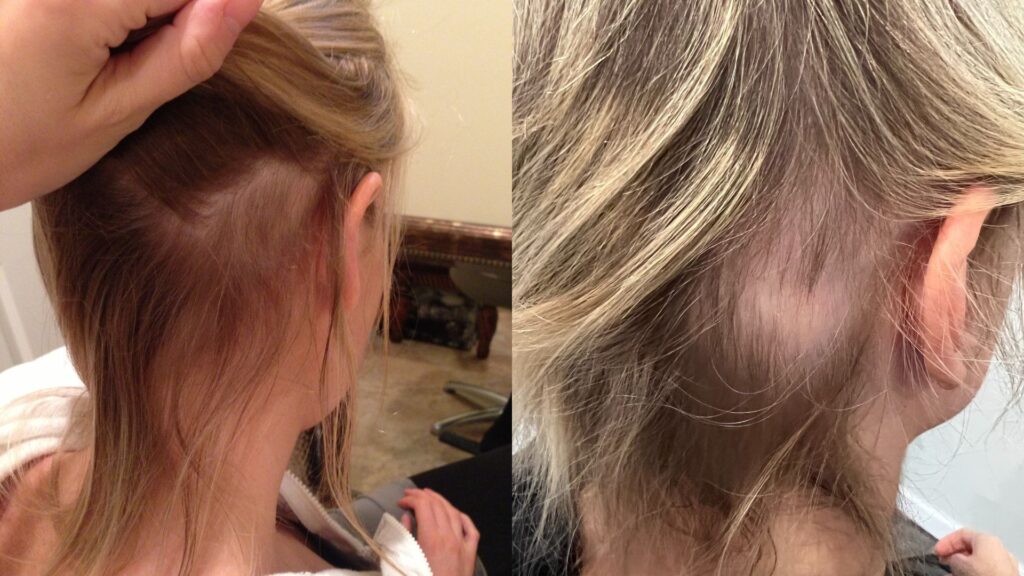
What damage is caused by hair extensions?
We’d say that the two most common types of hair damage from extensions are bald spots and thinning hair. This is often caused by the extension pulling too much at your root, causing your natural hair to fall out. This shouldn’t be an accepted symptom of hair extensions. Instead, it should be a sign that it was the wrong method for your hair type.
Hair thinning can be a lot harder to pin down, but again, it’s a sign that your hair extensions are causing unnecessary damage to your natural hair, either because they’re too heavy, they’re placed incorrectly or the chemicals used to attach them are causing secret damage.
What hair extension types cause the most damage
We know that this next section might piss off some hairstylists. But we’ve been doing hair extensions in New York City for years now, so we know a thing or two about them. And we have a lot of women come to us wanting to switch from another method to our custom i-tips. So everything we’re sharing here is from our salon experience.
Now that’s out of the way, the most common extension methods that we see causing damage are tape-ins and sew-ins or wefts. We know that not all women who wear these methods experience damage to their hair, that’s the whole reason why we’re writing such a long post on this topic. Because hair extensions are a personal experience. BUT in our experience, these types of extensions are the ones we see the most damage from.
Given that we know these are two of the most popular hair extension methods, we want to talk about why they don’t work for everyone (especially for women with thinning or fine hair).
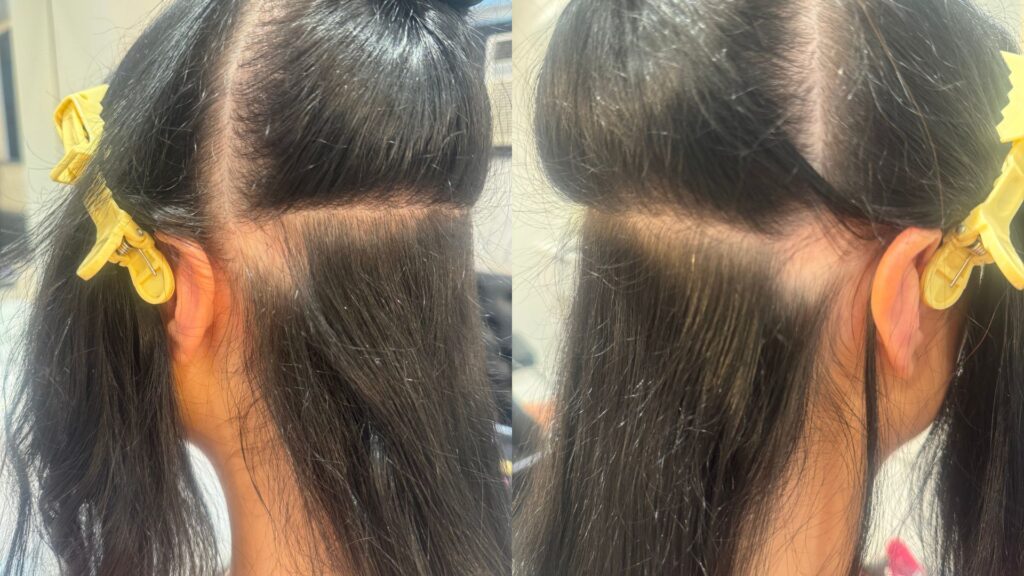
Tape-Ins
Tape-in extensions are a method that takes small, pre-glued wefts of hair and attaches them to your natural hair by sandwiching the pre-taped sections into your natural hair and securing them in place. When your hair grows out, you’ll need to return to the salon so the stylist can remove the tape and reinstall the extensions closer to your root.
The tape is dissolved and then reapplied every 6-8 weeks, depending on your hair growth.
There are a few ways that tape-ins can damage your hair. Mainly, the sections of hair can be too heavy for your natural strands, causing tension on your root. This tension can cause thinning or bald spots. Also, the glue can be harsh for some women’s hair. Again, this process of glueing the hair in place, dissolving the glue, and then reapplying it can cause repeated damage to your hair.
We’ve seen several women come to one of our New York salons to switch to our chemical, glue-free, extension method with bald spots where the tape-in extensions had been attached to their hair.
If you want to deep dive into tape-in extensions, we’ve actually written a full guide comparing them to i-tips, which you can read at this link.
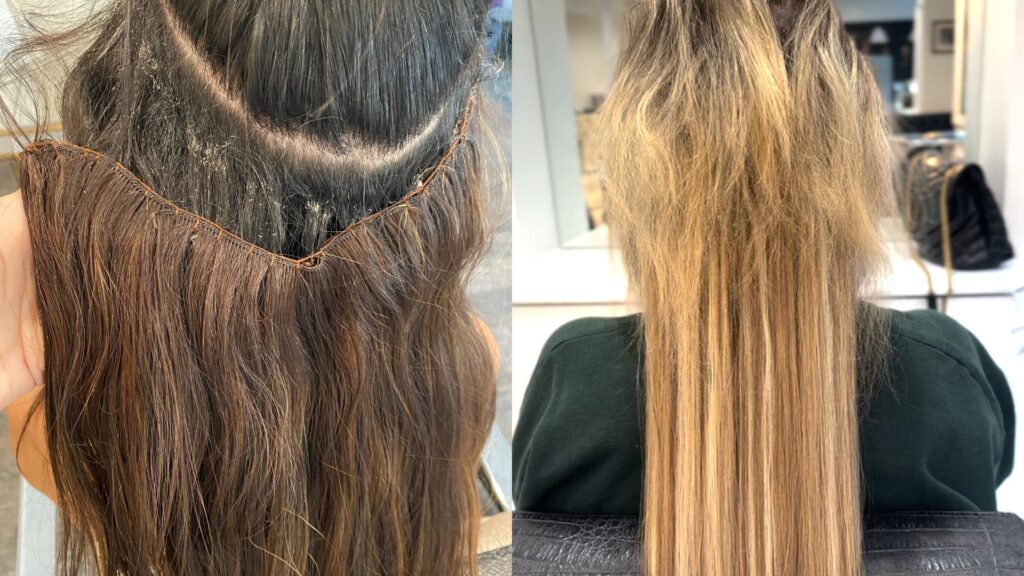
Sew-In Wefts
The other popular hair extension method that we’ve seen cause damage to women’s hair is wefts or sew-ins. With sew-in wefts, the stylist will typically take a pre-made row of hair extensions and sew them into your natural hair at the root.
This method doesn’t use the same harsh chemicals as tape-ins, but it uses much more hair, which causes another problem altogether.
The issues that we typically see with wefts is that the weight of the hair pulls at your roots, causing your natural hair to get stressed and fall out more easily. They can also be hard to keep clean, brush and style, which might not seem like a big deal, but all of these little things can add up, eventually causing more and more stress on your natural hair.
When your natural hair is stressed, hair extensions can start to damage your hair.
How to avoid hair damage from extensions
The last thing we want to do is write a post that scares you out of getting hair extensions. We love hair extensions and we’ve seen them transform women’s lives, but we’ve also seen and heard the horror stories from extensions gone wrong, which is why we wanted to write this post.
And as we explored in a recent article, hair extensions can actually help your natural hair grow. So how can you make sure your hair extensions are protecting your natural hair and promoting hair growth instead of damage?
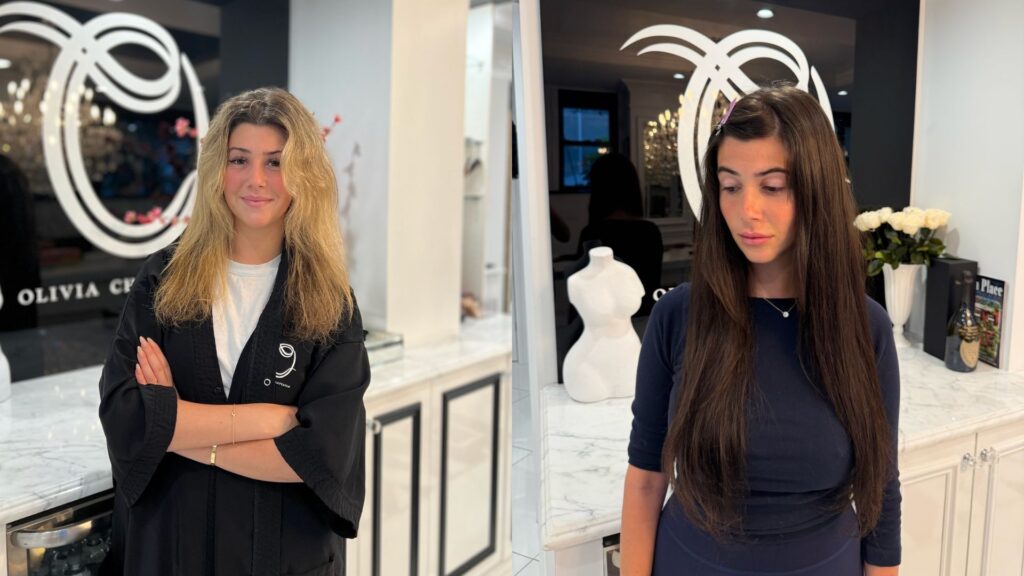
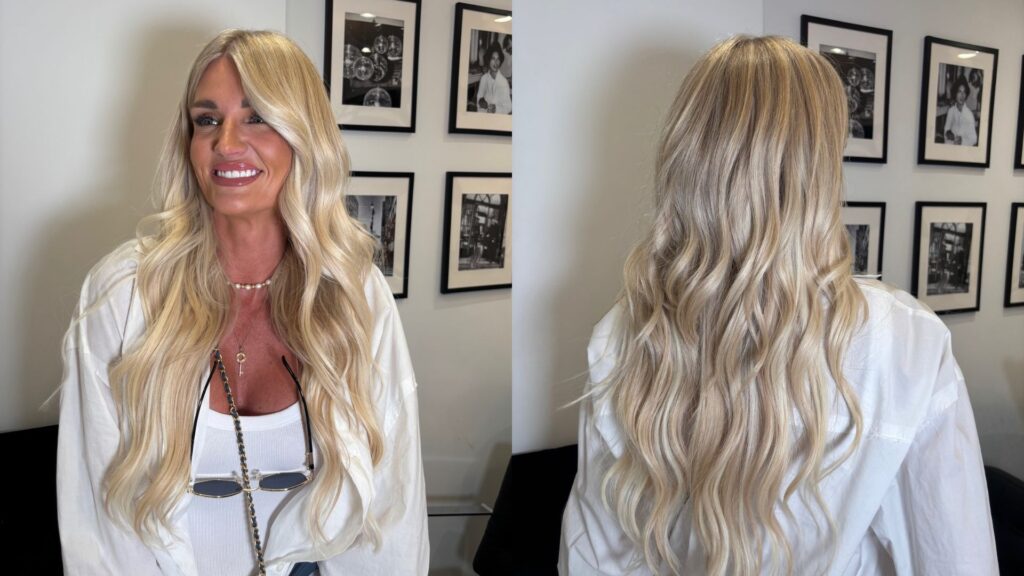
Take our client Sam for example. The first image below is when she first came to see us. Her hair was damaged and would never grow past that length. She’s been coming to see us for 3 years now, and the transformation is incredible. Her hair is thick, healthy and yes, it really is that long!
There are three main things to look out for when choosing hair extensions:
- The method
- The hair
- The stylist
Now let’s talk about each of these things in more detail. Like we said at the start of this post, hair extensions are an investment. You want to make sure you understand what you’re getting, and you need to make sure that they aren’t going to cause any long-term problems with your natural hair.
Safe Hair Extensions
So much of your experience with hair extensions comes down to picking the right method. At our two New York salons, we only specialize in one hair extension method, and that’s i-tips.
I-tips are a specific hair extension method where we are able to take small bundles of hair and attach them to your natural hair using small beads. No heat, glue or chemicals required in the entire process. And because we use small bundles of hair, there’s no heavy weight on your natural hair–at all.
In fact, when women switch from another method to i-tips, that’s always the first thing we hear. That there’s no heaviness or weight, and that they can’t even feel the extensions in their hair.
High-Quality Hair
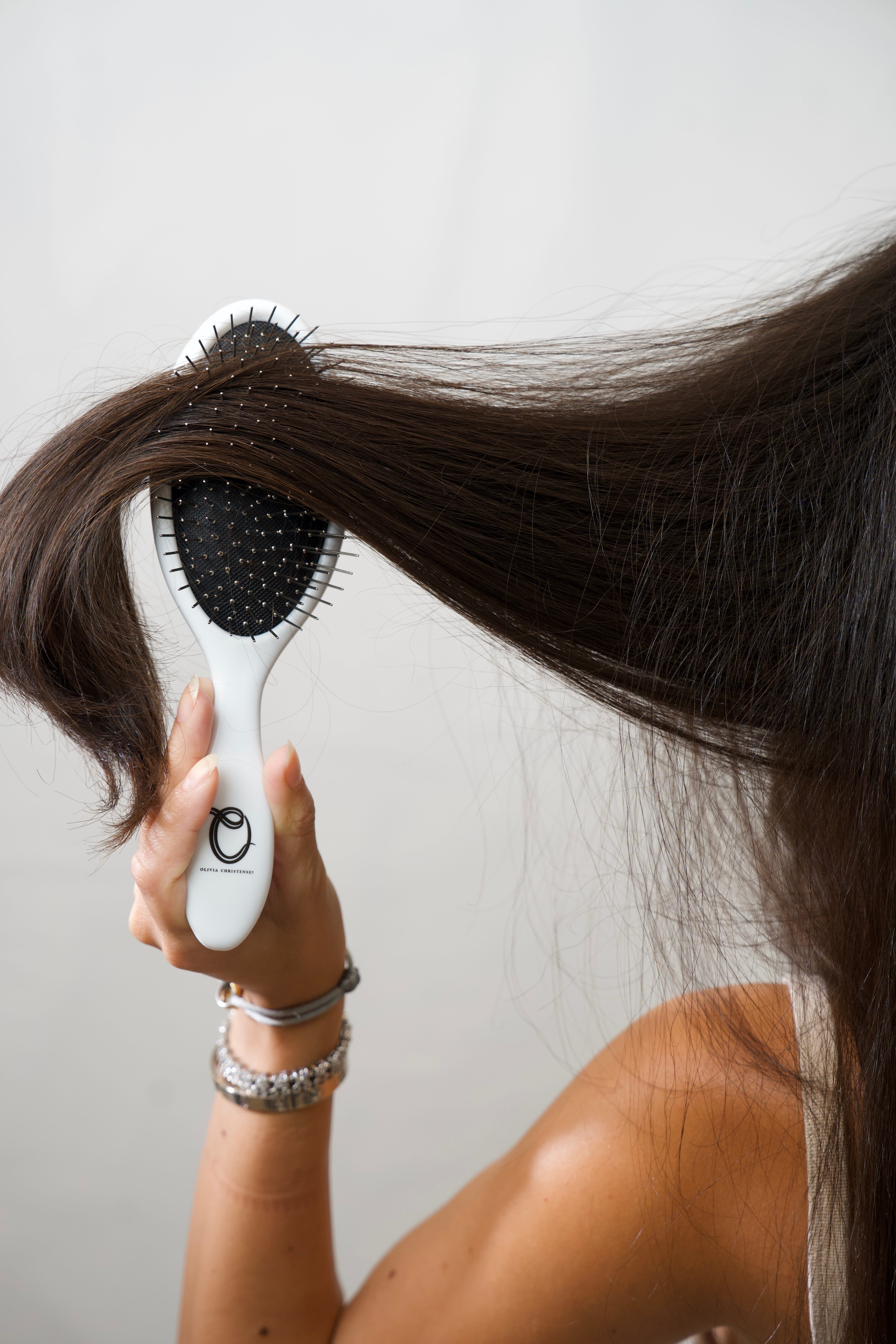
The other important element in hair extensions that don’t damage your hair is actually the quality of the hair used. You want to make sure that you’re using high-quality, full-cuticle, human hair. Often hair that’s collected for extensions can be found in some pretty shady places, and to make it look like natural hair, they chemically process it before sending it to the salon.
These things are going to lead to hair extensions that don’t behave like your natural hair, that you can’t style easily and that degrade much faster.
Why is this a bad thing? Because when your hair extensions degrade quickly, it’s going to add to the stress placed on your natural hair–again, causing hair extensions to damage your natural hair.
To avoid this, it’s important to use the highest quality hair. If you want to learn a bit more about where hair extensions come from, we shared an article you can read here.
Choosing the Right Hair Stylist
Lastly, it comes down to how they’re installed. We’ve seen women come into the salon with i-tips that are damaging their natural hair, which just goes to show that the method is only one piece of the overall experience.
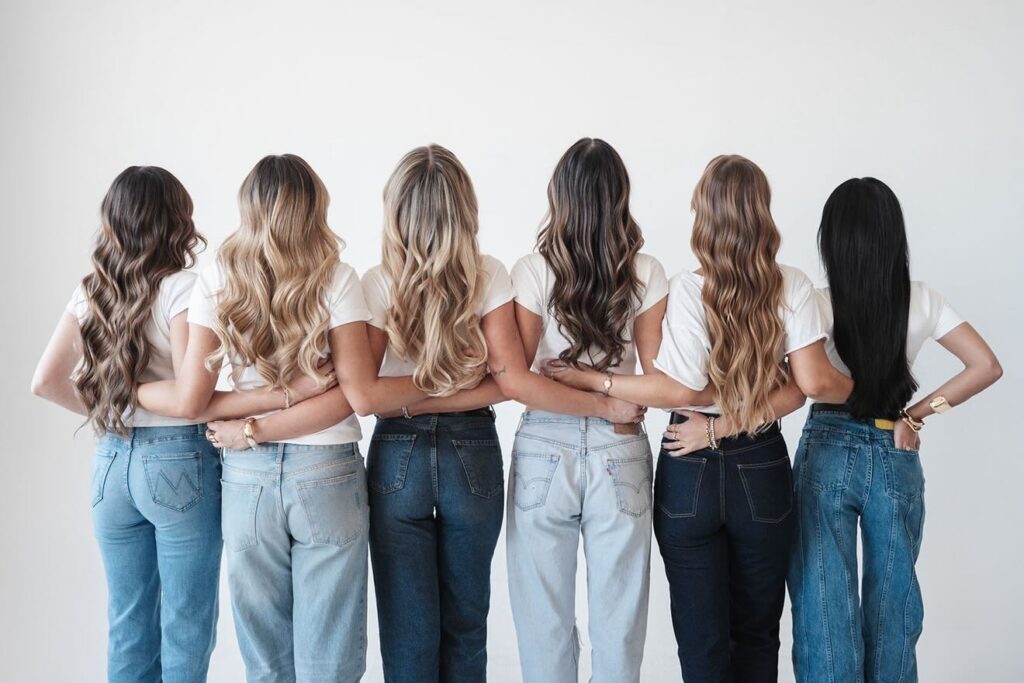
And that’s why it’s so important to have a professional that you trust. We can’t stress enough that hair extensions are an investment, so protect that investment by choosing the hair salon and stylist that you can trust.
That’s another reason why our team has decided to focus only on offering i-tip hair extensions. Our founder, Christina, wanted a hair extension method that was safe, luxurious and that she could get so good at installing that even she wouldn’t know where her clients hair ended, and the extensions began. She’s put together a team of dedicated specialists to give you the best experience every time you step into an Olivia Christensen Salon.
So, do hair extensions damage your hair? At the end of all this, the answer is no, but also…sometimes yes. Hair extensions are not a ‘one-size-fits-all’ offer. They need to be customized to each client’s lifestyle, needs and hair type.
Luckily, we’re able to customize our i-tips to just that. Each woman that comes into our salons gets a customized, bespoke experience that not only helps her achieve her hair goals, but that also restores her confidence in a way she wasn’t expecting.
You might think that we’re just passionate about i-tip hair extensions. But what we’re really passionate about is that moment when a client sees herself in the mirror for the first time, and you can see the confidence she feels because finally has the hair of her dreams.
We’ve seen too many women come to us with damage to their hair caused by hair extensions. But with our custom i-tip experience, hair extensions can actually help you hair grow, instead of damaging it further.
Want to learn more? Book a consultation with our founder, Christina, today.