Hair Extensions 101

How to Grow Your Hair with Hair Extensions

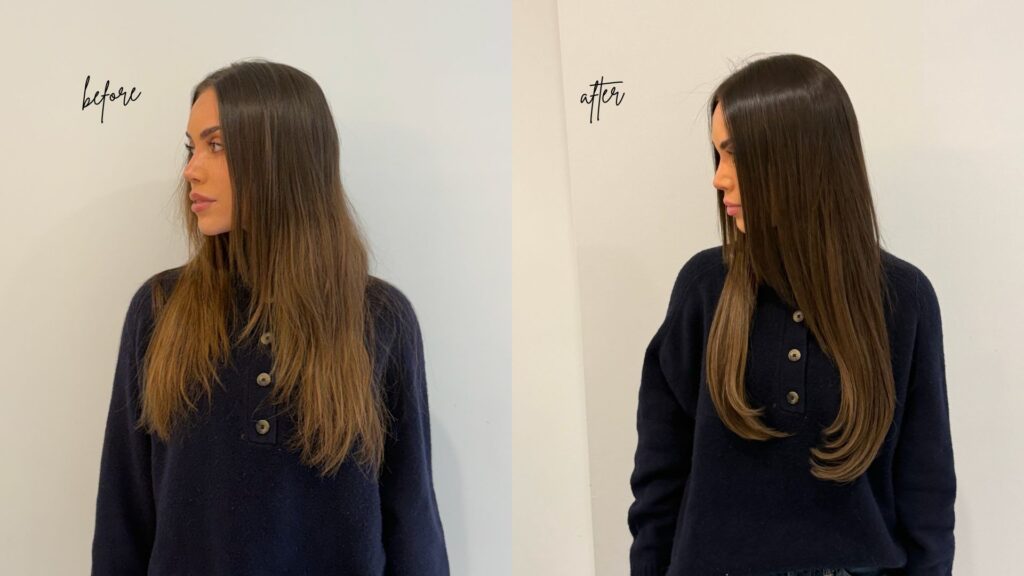
Did you know that you can actually grow your hair with hair extensions?

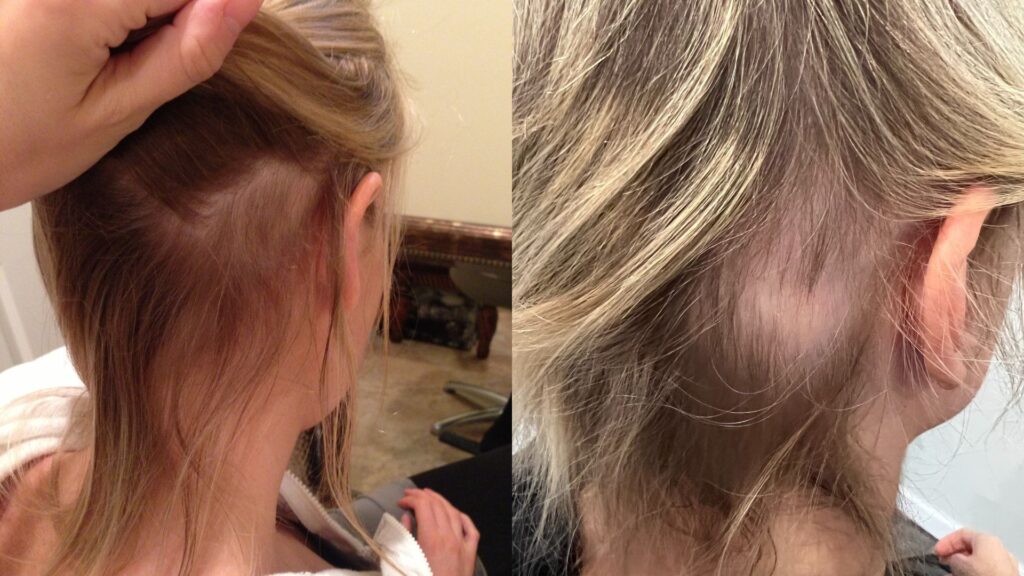
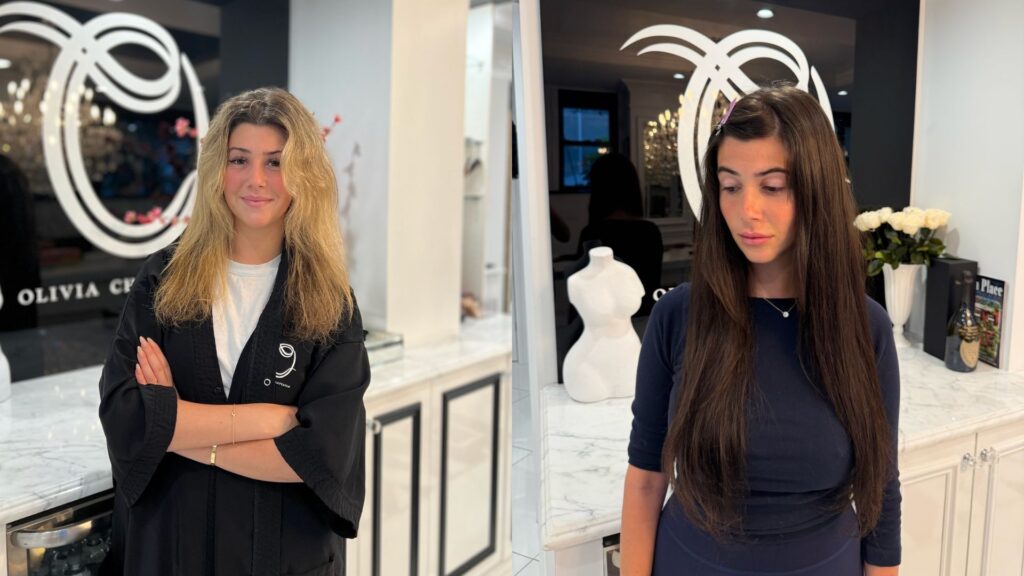
​One of the common concerns we hear from women at our New York Salons is that hair extensions will damage or destroy their natural hair. We get it. We’ve seen the damage from hair extensions first-hand, and it’s actually one of the reasons that we’re so passionate about i-tip hair extensions.

​We’ve recently compared i-tip extensions to both wefts and tape-ins. You can find those comparison-style posts linked before, and now today we’re going to talk more about i-tips and specifically how you can use our hair extensions to grow your natural hair.
What Are I-Tip Hair Extensions?

First things first, let’s talk about i-tips. What they are, how we install them, and finally, how they work to protect your natural hair–ensuring that it continues growing underneath.

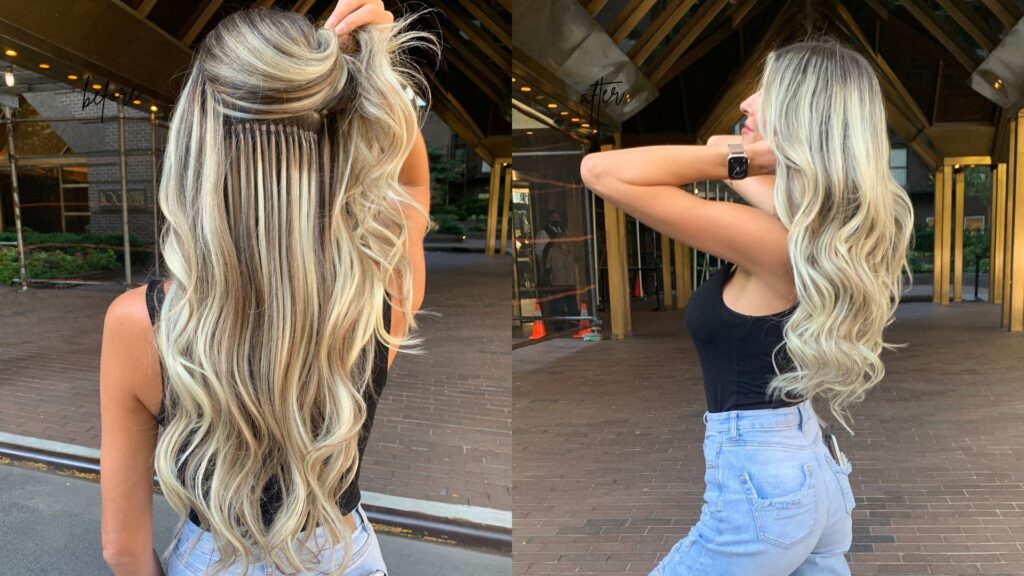
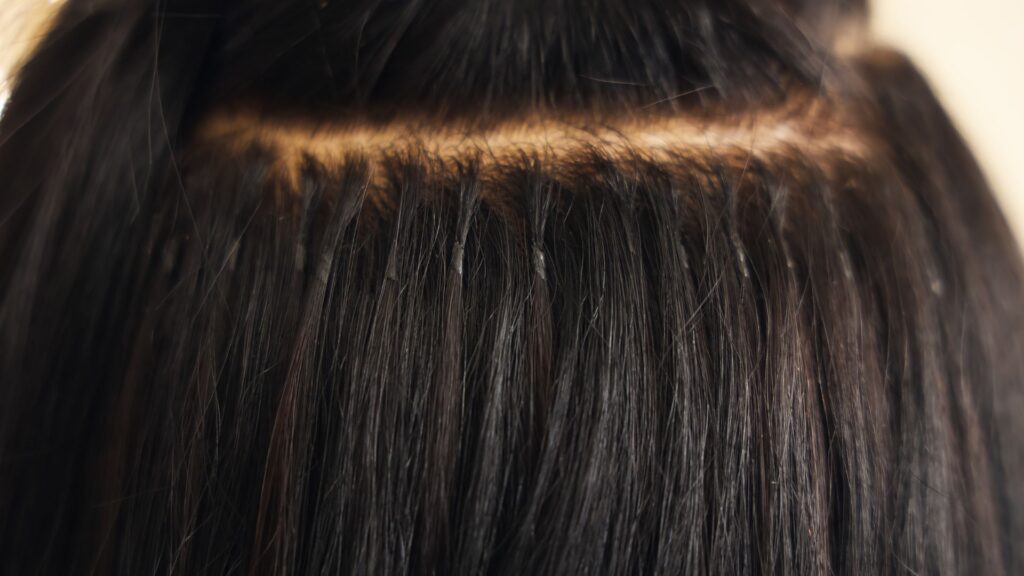
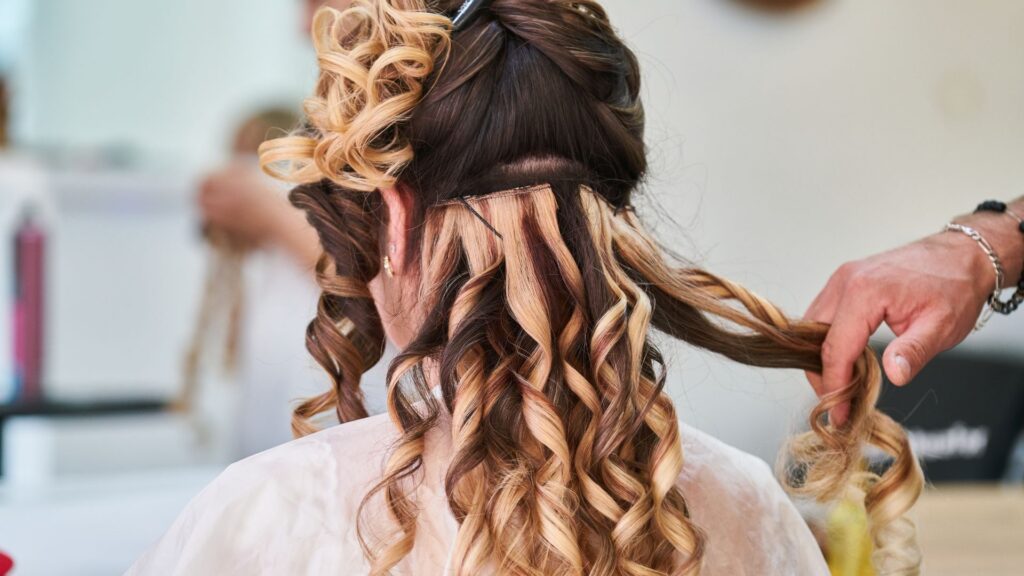
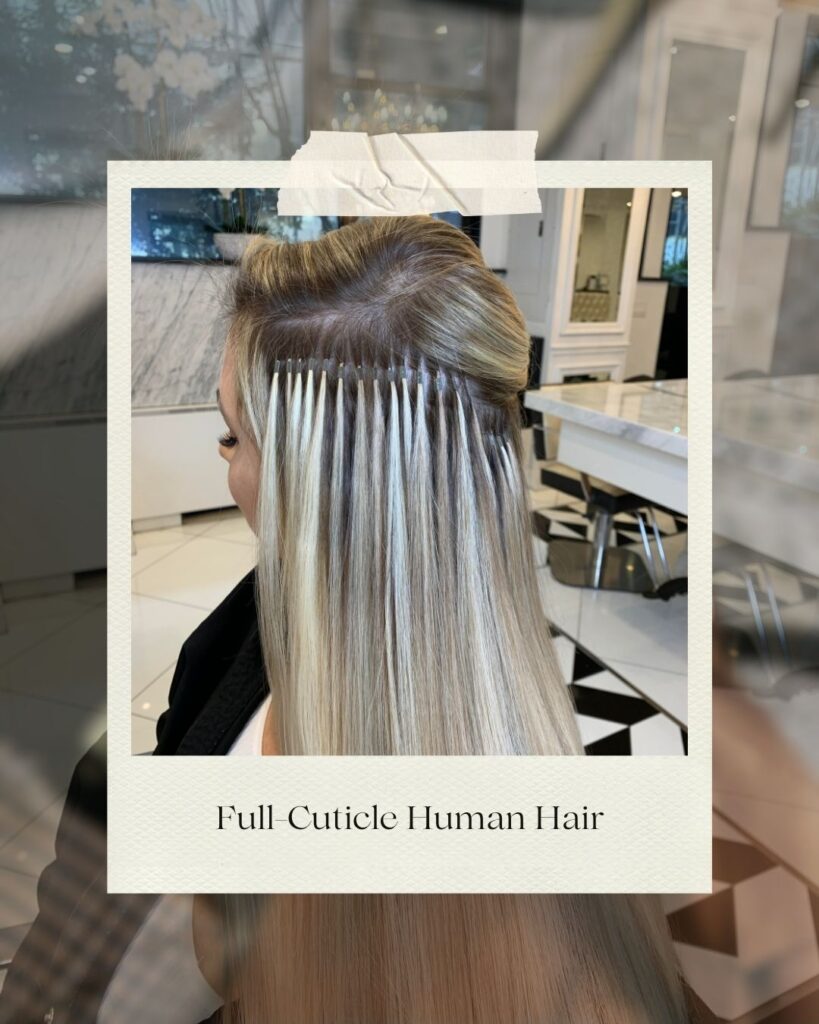
​I-Tips are a specific type of hair extension method where we take small bundles of hair extensions and attach them to your natural hair using beads. This is the only long-term extension method that doesn’t use heat, glue, or harsh chemicals.

​If you’d like to see what the installation method looks like, we’ve shared a couple of videos on Instagram, which you can find here and here.
What We Love About I-Tips

There are so many reasons that we love i-tips, and we don’t think these extensions get the attention they deserve. Here are just a few of the ways that this method stands out:

  1. Extremely lightweight

I-tips are extremely lightweight, and most of our clients report that they can’t even feel them once they’re installed. Because we’re able to control the size and placement of each bundle, we can add hair where you need it most, and we can promise you that the bundles will never be so heavy that they pull unnaturally on your hair underneath, causing damage or stress to your natural hair.

  1. Completely customizable

I-tips are also completely customizable; again, we can place the hair bundles where you need them most. If you have very thin hair, we might avoid putting too many rows on the front or sides and instead add an extra row at the back. This ensures you can always style your hair as usual, wearing slick backs and updos without worrying that your extensions will show.

​At Olivia Christensen Salon, we also have a specific color-blending customization method created by our founder, Christina. She truly understands women’s hair, including the fact that it’s rarely just one solid color. Each bundle is custom-blended with up to 3-4 different colored strands of hair to give your extensions the natural dimension that your hair already has.

  1. Easy to style

With i-tips, you can style and treat your hair like normal. If you wear a lot of updos, braids, or half-up hairstyles, i-tips will stay hidden. Our extensions are truly seamless, so no one will ever know you have them.

​We recently asked one of our girls if anyone has ever called her out for wearing hair extensions, and she said the opposite: most people don’t believe her when she tells them her hair is fake.

  1. Safe for all hair types

Finally, this method is safe for all hair types. Because it doesn’t require the use of any harsh chemicals, and because we can customize the size and placement of your bundles, this is truly the only hair extension method that works for women with all hair types–from thin to thick and curly hair.
How I-Tips Help Your Natural Hair Grow

Now that you know why we love i-tips, let’s talk about the ways that they can actually help protect your natural hair and promote natural hair growth while you’re wearing them.
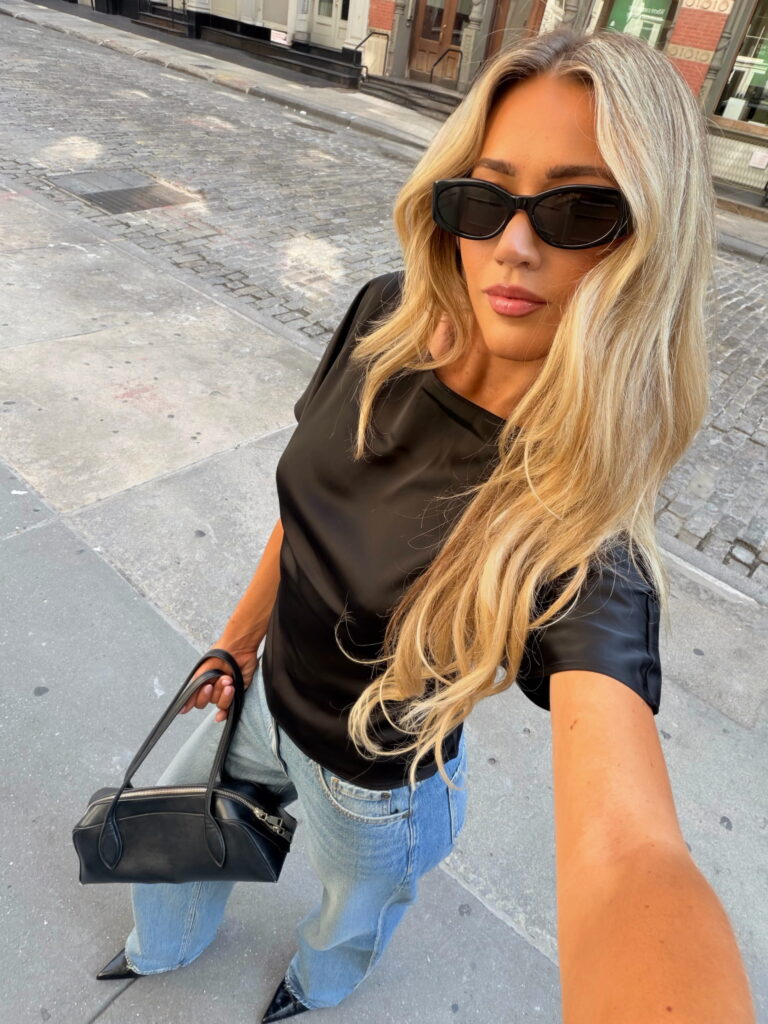
I-Tips Add a Layer of Protection

Your hair extensions add a layer of protection between your styling tools and your natural hair. When you style your hair, of course, those hot tools are still going to affect your natural hair, but they’re also going to be shielded more by your extensions.

​The extensions manage to take some of the pressure off your natural hair when styling. Just make sure that you always use a heat protectant, especially because your extensions don’t produce the oils that your natural hair does to protect itself against the elements.
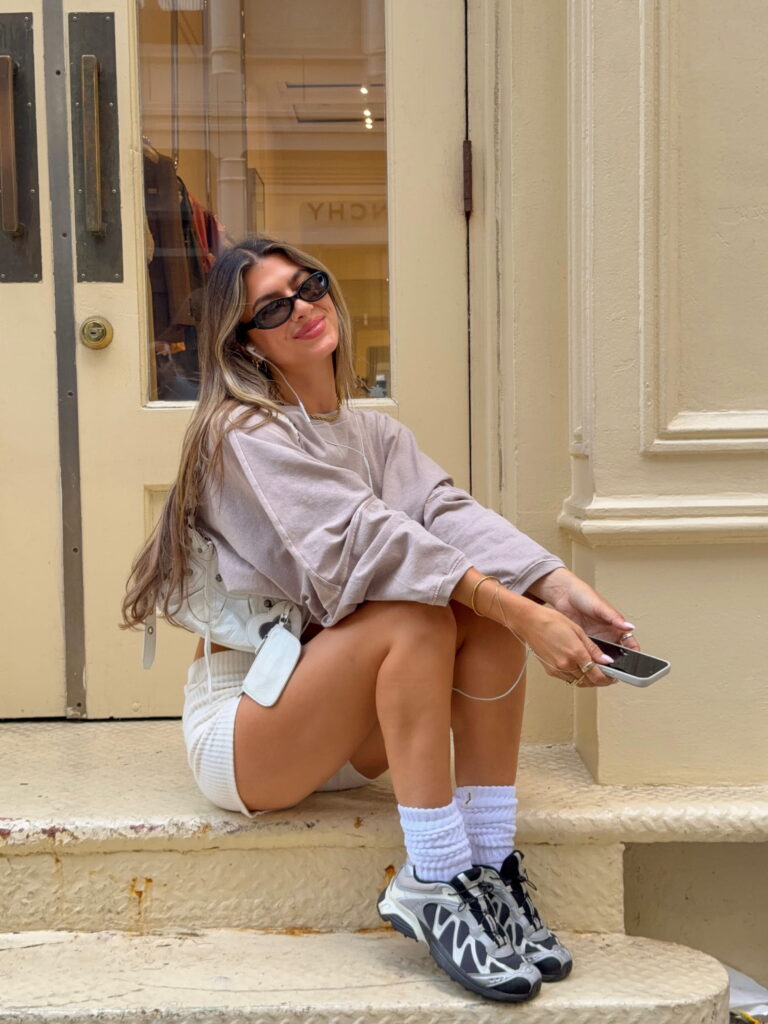
I-Tips Hold Your Style Longer

Not only do i-tips act as a shield, but they also help your hair hold its style for longer. If you have very thin or fine hair, you might have noticed that your curls or styles ‘drop’ only hours after you’ve finished doing them. Extensions (especially high-quality, full-cuticle extensions) help hold your styles longer, so you don’t have to use hot tools as often.

​Our clients often tell us that their hair looks good for two or three days after styling, which means less heat in general, and less heat is better for your hair in the long run. This knock-on effect is one of the ways that i-tip extensions help your natural hair grow.
They Require More Frequent Visits to the Salon

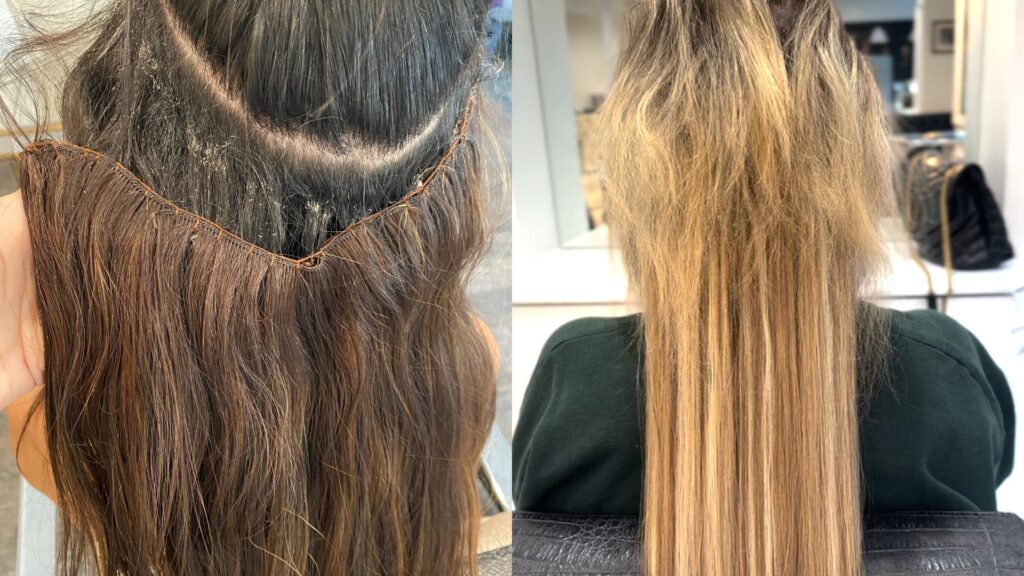
With i-tips, you need to come to the salon every 6-8 weeks (depending on how fast your natural hair grows) so we can remove the extensions, comb out any hair fall, and reinstall them.

​And yes, this is actually a positive thing, especially if one of your goals is hair growth.

​All too often, when women are trying to grow their hair, they avoid going to the hair salon altogether, simply because they don’t want a haircut.

​Here’s the thing that most women don’t realize: having your hair cut, styled, and treated at the salon is actually one of the best ways to protect your hair and keep it growing naturally.

​Haircuts actually promote hair growth. There’s no magic way to undo split ends; instead, cutting them helps your hair to keep growing and stops the splits from traveling further up your hair. All in all, haircuts keep your hair softer, silkier, and healthier.

​While you’re at the salon for maintenance, you can also ask for a hydrating treatment or gloss. This style of treatment is better than anything you can do at home, especially since you need to avoid hair masks while wearing hair extensions (they can cause slippage).

Can you grow your hair with hair extensions?

​At the end of the day, when you have i-tips, you’re investing in your hair, which means you’re spending more time and money looking after your hair, which will lead to hair growth. This is one of the most underrated aspects of our hair extensions.

​Because i-tip extensions are already so safe for your natural hair, we can confidently say that your hair will not only be protected by our extensions, but it will also grow while you’re wearing them.

​There’s a reason so many women keep getting our extensions for years and years.

​Come find out what makes the Olivia Christensen method so special. Book a consultation with our founder to learn more about i-tips and get a customized plan for your hair. ​

Want to learn more about i-tips? Explore our blog for helpful guides, products we love and styling tips. 
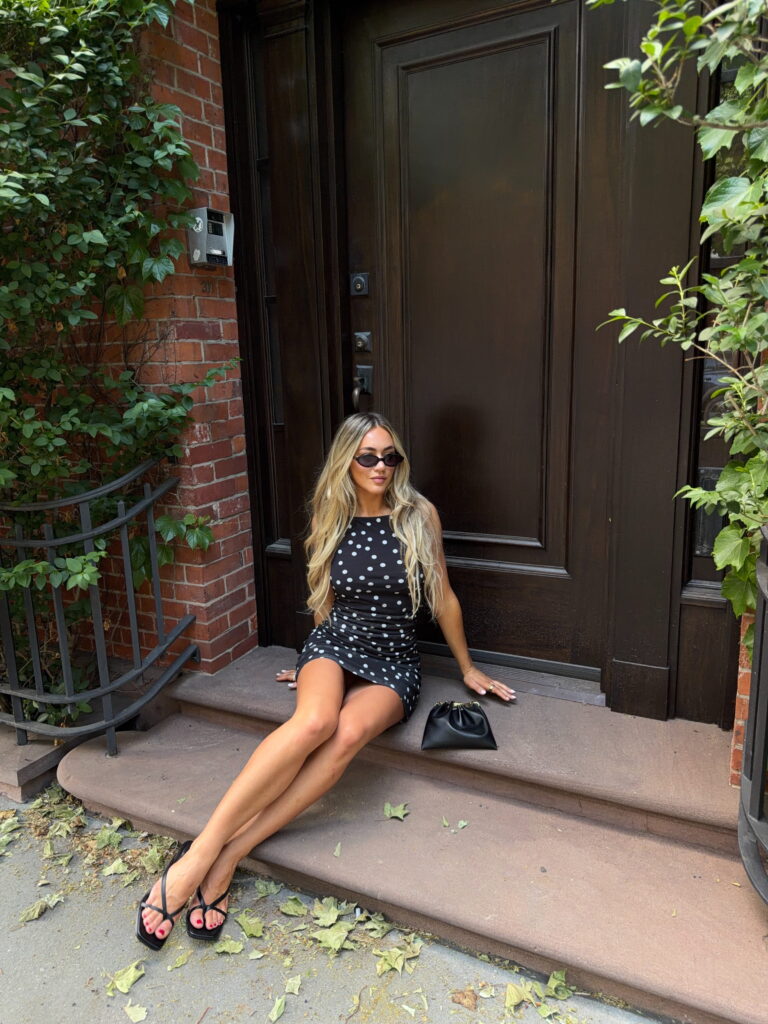
Hair Extensions 101

Are I-Tip Extensions Better Than Tape Ins?

One of the more common questions that we get asked during our hair extensions consultations is: “Are i-tip extensions better than tape-ins?” And if we’re being perfectly honest with you, the answer isn’t a simple yes or no.

Both of these hair extension methods can add length, volume, and confidence, but they achieve those results in very different ways. Just like when we compared i-tips to wefts, the best choice will depend on your hair type, lifestyle, styling habits, and long-term goals.

Welcome back to the blog. We’re Olivia Christensen Salon, and we specialize in luxury hair extensions, helping thousands of women achieve natural, seamless outcomes. While we love i-tips and believe they are the best hair extension method for clients who want absolutely invisible, fully customizable results, we also want to help you make an informed decision about your hair.

So in this guide, we’re going to compare i-tip extensions vs. tape-in extensions to break down the pros and cons of each method, and help you determine which is better for you. If you’ve read our guide comparing wefts to i-tips, some of the information about i-tips might be repeated here.

If you’re interested in learning more about other hair extension methods, you can read this post next.

What Are I-Tip Hair Extensions?

I-tip extensions refers to the installation method where we take a bundle of extension hair and attach it to your natural hair using small beads. There are a few reasons why this method is our preferred choice. For starters, it’s highly customizable both to your lifestyle and hair type (color, density, thickness, etc). 

Our founder, Christina, developed her own method of customized blending that makes i-tips the go-to for women seeking truly luxurious results. 

A small bundle of your natural hair is likely to contain anywhere from 2-4 different shades. We help you achieve this natural look with your extensions by blending various colors into each individual bundle that is then attached to your natural hair.

Another advantage of i-tip hair extensions is how naturally they move. Again, since we install the hair in small sections rather than large rows, it blends more naturally and offers a greater style versatility. Whether you wear your hair down, in a ponytail, or in an updo, i-tip extensions move with your hair–as opposed to against it.

When properly installed and maintained, i-tips are also one of the most ‘reusable’ hair extension methods. Unlike tape-ins or wefts, this strand by strand method uses no heat, glue or harsh chemicals, so each time you come in for a maintenance appointment, we’re able to safely remove the extensions without damaging your natural hair or the extension hair–prolonging its use for up to a year.

Benefits of I-Tip Hair Extensions

There are many reasons why clients choose i-tip extensions over other methods, including:

  • Highly customizable placement and density
  • No glue, tape, or heat required
  • Natural movement and seamless blending
  • Lightweight and comfortable to wear
  • Ideal for ponytails, braids, and updos
  • Reusable hair for multiple installations
  • Suitable for a wide range of hair types

For women who want extensions so natural they can’t tell where their hair ends and the extensions begin, i-tips continuously prove to be the best choice. 

What Are Tape-In Hair Extensions?

Tape-in extensions are usually 2 inch-wide wefts of extension hair with a pre-glued band that’s pressed into your roots with a special tool. The idea is to sandwich the tape between two sections of your clean hair, right near the root. 

When your hair starts to grow out, the extensions need to be removed and installed again, similarly to i-tips, but with larger sections of hair. And because of the chemicals in the glue and removal process, tape in extensions can usually only be used for two or three applications. 

Because tape-ins are smaller sections of hair than traditional sew-in wefts, they tend to be considered one of the best choices for women with thin hair, because they pull on the scalp less and are slightly easier to style. However, they add a lot of hair to the specific areas that they’re glued to, which means the density might not as easily match your natural hair. 

Tape-ins are fairly quick to install and you typically need to return to the salon every 6-8 weeks for maintenance appointments, where the extensions will be removed and replaced.

Benefits of Tape-In Hair Extensions

Now that you know how tape-in extensions work, let’s talk about some of the benefits of this method. 

  • Installation is very quick (most of the time it takes between 45-90 minutes)
  • It uses smaller wefts than your traditional sew in extensions, which can mean a more seamless look overall
  • They can be a good option for clients with thicker hair
  • Tape-ins can add volume fast

Tape-ins are often chosen for their speed and simplicity, but they can start to behave differently once installed. 

I-Tip Extensions vs. Tape-Ins: The Biggest Differences

While both methods can enhance length and volume, they differ significantly in comfort, flexibility, and long-term use. Let’s dive into the main differences between i-tip extensions and tape-ins. 

1. Natural Movement

For us, it always comes back to natural movement. We talk about this a lot with these blogs, but at the end of the day, one of the most important factors in having hair extensions is having them blend so naturally that no one actually knows you have them. 

I-tips help you achieve soft, organic movement and this is why we end up loving them so much. The strand-by-strand method gives you the most freedom of movement and flexibility with your extensions. 

With tape-in extensions, you’re dealing with larger sections of hair, which just makes the extensions slightly more difficult to style. This is because the hair tends to move in these structured panels, giving you less natural flow. 

Verdict: for us, i-tips win for natural movement.

2. Comfort & Wearability

Again, i-tip extensions are installed using small bundles of hair that don’t add any weight to your scalp or natural strands. This is one of the first things our clients notice when they switch from another extension method to i-tips. When installed correctly, you shouldn’t be able to feel them at all. 
Tape-ins sit close to the scalp and they’re installed using larger pieces of hair. We typically hear from women that it takes a couple of weeks to get used to wearing them, and that because they’re installed in larger pieces, they can be incredibly difficult to dry gently. 

They can feel tight and close to your scalp and in certain areas, the adhesive can become more noticeable over time. Our clients typically report that i-tips feel lighter and more flexible for everyday wear. 

Verdict: I-tips win for comfort.

3. Customization

Now let’s talk about how tape-ins vs i-tips can be customized to your hair type and lifestyle. With i-tips strand-by-strand method, we have a lot of customization options. We can customize the exact bundles to match the shades and density of your hair. We can also customize the placement, adding more rows where you need the extra volume, and less rows where they might be visible depending on how you tend to style your hair. 

Honestly, the color customization with i-tips is great, but where they really stand out for us is with the density control. Instead of overloading your natural hair with the extensions–we can place bundles strategically. 

With tape-ins, you don’t have quite as much customization. The wefts come in pre-set sizes, which can weigh down your natural strands–esepcially if you have thin or fine hair. There is also limited placement flexibility because you need natural hair close to the scalp, and you don’t want to place the tape-ins too close to the bottom of your head. 

All in all though, with i-tips you have so much control over the density–and with tape-ins, you just don’t get that level of control. 

Verdict: I-tips win for customization.

4. Maintenance

Maintenance is where these two methods become very similar. Both require maintenance appointments every 6-8 weeks depending on how quickly your natural hair grows. With i-tips, we remove the beads, comb out the hair fall and reinstall.

With tape-ins, you need to dissolve the glue and then reglue them with your natural hair. The process isn’t as natural as i-tips tend to be.  

Both methods require consistent upkeep, but tape-ins typically involve full replacement of adhesive sections.

Verdict: Tie. 

5. Longevity & Reusability

Hair extensions are an investment. With our luxury, full-cuticle human hair, we typically reuse the hair for up to 12 months. The exact length of time varies depending on your lifestyle and aftercare. It’s very important that you never skip a maintenance appointment, because this is the easiest way to get the most out of your investment. And because i-tips don’t use any heat or glue, we’re able to better protect the extension hair, helping it to last even longer. 

With tape-ins, they typically tend to last 2-3 maintenance appointments. The glue itself tends to be harder on the hair and it can weaken over time, meaning you’ll likely be able to use the extensions for around 3-6 months. 

Again though, reuse is going to depend on the hair quality and how you take care of them. 

Verdict: I-tips win for longevity.

6. Styling Versatility

Lastly, let’s talk about styling versatility. We always tell our clients that with i-tips you can style your hair like normal. Ponytails, braids, updos, half-up hairstyles, high buns, you name it. You should be able to achieve any look you want with i-tips–and they should even help your hair hold the style longer. 

Tape-ins probably have the next best styling versatility. They can sometimes show in high hairstyles so tend to be best suited for women who mostly wear their hair down or in lower styles. 

Verdict: I-tips win for versatility.

Which Hair Type Is Best for I-Tips?

I-tip extensions are best suited for:

  • Fine hair
  • Thin hair
  • Medium-density hair
  • Clients wanting invisible extensions
  • Clients wanting maximum customization

Because they are lightweight and individually placed, i-tips work especially well for clients who want fullness without bulk. 

Which Hair Type Is Best for Tape-Ins?

Tape-in extensions are often better for:

  • Medium to thick hair
  • Clients wanting quick volume
  • Clients who wear their hair down most of the time
  • Clients looking for a faster install

Tape-ins can create beautiful results when matched correctly to hair density, particularly for clients who already have a strong natural base. 

Why We Prefer I-Tips for Luxury Hair Extensions

At Olivia Christensen Salon, luxury is never about speed or shortcuts—it’s about precision.

I-tip extensions allow us to create results that are:

  • Completely customized
  • Seamlessly blended
  • Lightweight and comfortable
  • Long-lasting and reusable

Most importantly, they support the philosophy that expensive hair should never look obvious.

When extensions are done correctly, they don’t announce themselves. They integrate so naturally that they simply become part of your identity.

Common Myths About I-Tips vs Tape-Ins

Myth #1: Tape-ins are less damaging

Damage depends more on installation and maintenance than the individual method. However, at the end of the day, i-tips are the only (long-wear) extension method that doesn’t use heat, glue or harsh chemicals to attach the extensions to your natural hair. 

Myth #2: I-tips are uncomfortable

When installed correctly, most clients forget they are wearing them. Unlike other extension methods, i-tips are installed in small bundles that are attached to your natural hair. We don’t attach them near your scalp where it makes it more obvious or uncomfortable. We’re also able to match the density of your natural hair–meaning we’re not going to weigh you down with heavy extensions. 

Myth #3: Tape-ins are more natural

Both can look natural—but i-tips offer more movement and customization.

So, Are I-Tip Extensions Better Than Tape-Ins?

Honestly, it depends on your hair goals. 

If you want:

  • Maximum customization
  • Invisible, strand-by-strand blending
  • Lightweight wear
  • Long-term reusability
  • Luxury-level precision

Then i-tip extensions are often the stronger choice.

If you want:

  • Fast installation
  • Structured volume
  • A simpler, quicker method

Then tape-ins may be suitable for your needs.

But the most important takeaway is this: The best extension method is the one that fits your hair, not the trend of the moment.

Conclusion

Choosing between i-tip extensions and tape-ins is not about which method is universally “better,” it’s about which method is right for your hair type, lifestyle, and long-term goals.

At Olivia Christensen Salon in NYC, every extension plan is fully customized to ensure your hair not only looks beautiful, but feels effortless to wear every day.

Because true luxury hair extensions don’t just change how you look, they change how you feel.

If you’d like to find out more about our luxury i-tip hair extensions and whether or not they’re a good fit for you, book a consultation with our founder Christina today

Hair Extensions 101

The Truth About Slavic vs. Indian Hair Extensions (From a Specialist Who Uses Both)

The hair extension industry has a sourcing problem and most clients don’t find out until it’s too late.

​It’s an understandable problem. The hair we use for extensions can’t be created from nothing, and there are a lot of shady practices out there designed to make it seem like you can. But the reality is this: full-cuticle, premium hair has to be grown and sourced from real people. That matters, and it’s worth talking about.

​The two types you’ve probably heard of are Indian and Slavic hair. Slavic hair extensions are widely considered the gold standard, and for good reason, but they can actually fall flat (quite literally) for clients with naturally textured hair. That’s where Indian hair extensions come in. The problem is, Indian hair has a reputation in this industry, and not a good one.

​Here’s what I want you to know: that reputation comes from how most Indian hair is processed and sold, not from the hair itself.

​When it comes to extensions, knowing exactly where your hair comes from can make or break your entire experience. So let’s talk about this.

I’m Christina, a luxury i-tip specialist in New York City, and I work with both Slavic and Indian hair, sourced directly from my supplies. No middlemen, no compromises.

​Today, I’m breaking down the real difference between Slavic and Indian hair extensions, who each one is right for, and what exactly to look for before your first extension appointment.

The Industry Problem Nobody Talks About

The hair extension industry is largely unregulated–and when it comes to labeling and sourcing, that becomes a problem.

​Here’s something that might surprise you: a lot of hair sold as “Russian” or “Slavic” on the market isn’t actually Slavic at all. It’s processed hair of Asian origin, repackaged and relabeled. And ordering directly from a Russian supplier doesn’t guarantee you’re getting the real thing either.

​The same goes for Indian hair. A significant portion of Indian hair gets exported to China, where it’s blended with lower-quality hair and put through aggressive chemical processing before it ever reaches our salons.

The result is clients ending up with extensions that mat, tangle, or lose their shine within weeks. And almost always, the method gets blamed, but the method wasn’t the problem. The hair was.

At Olivia Christensen Salons, we use both Slavic and Indian hair, and we source it directly from vetted suppliers. We don’t use middlemen, so there’s no mystery about where our hair comes from. Every strand is unprocessed, traceable, and held to the same luxury standard that I want for my own hair.

So now that you know what we’re working against, let’s talk about what makes these two hair types genuinely different, and how to know which one is right for you.

What Is Slavic Hair?

Slavid hair comes from donors in Eastern Europe. Countries like Russia, Ukraine, and the surrounding countries. Slavic hair is genuinely in a category of its own.

The texture is what most people notice first. It’s exceptionally soft, fine, and smooth, with a natural lightness that makes it feel almost weightless once it’s in. It naturally comes in a wide range of shades, from light brown through medium brown, often with the kind of subtle dimensional highlights that women spend a fortune trying to recreate.

When you find the right match, it doesn’t just blend with your natural hair. It becomes your natural hair.

What makes Slavic hair the gold standard isn’t just how it feels, it’s also how it’s been processed (or really how it hasn’t been processed). Virgin Slavic hair means exactly what it sounds like: no dye, no chemical processing, no shortcuts. The cuticle stays intact, the hair is collected from a single donor, and nothing has been done to alter it from the way it grew.

That’s increasingly rare in this industry, and it’s part of why Slavic hair is the gold standard and why it comes at a premium price. With proper care and the right application method, this hair can last up to 12 months–and that’s not a marketing claim, that’s what happens when the sourcing is done right.

Slavic hair is the ideal choice for clients with fine, thin, or lighter-colored hair. Because it’s naturally fine itself, it integrates seamlessly without adding bulk or weight, which is exactly what someone with delicate hair needs. It’s the hair I reach for when a client comes to me having lost density, going through a hair growth journey, or simply wanting a result that nobody can detect.

When I say I won’t compromise on my Slavic sourcing, that’s what I mean: virgin, traceable, and exactly what it’s represented to be.

What Is Indian Hair (When It’s Done Right)?

Let’s clear something up: Indian hair doesn’t have a quality problem. It has a sourcing and transparency problem, and those are very different things.

​The reputation that follows Indian hair in the extension industry belongs to the processed, mislabeled, middleman version. The real thing, ethically-sourced and unprocessed, is a completely different experience.

Most high-quality Indian hair comes from temple donations, a practice rooted in the Hindu tradition of tonsuring, in which donors offer their hair as a spiritual act. When hair is collected with integrity and goes directly from the supplier to the specialist, you get genuinely beautiful human hair with its cuticle fully intact. The problem is when that hair detours through processing facilities.

Indian hair is naturally richer in texture and more dimensional than Slavic hair. It tends to have natural movement, subtle waves, or even thick curls, and a depth that makes it an exceptional match for clients who have thicker, darker, or more textured hair.

Where Slavic hair blends seamlessly into fine, light strands, quality Indian hair does the same for a completely different client. It moves like their hair because it is their hair, just more of it.

This is actually one of our specialties, and I’ll be honest: it’s not something that more extension specialists in New York City are doing at this level. Offering truly unprocessed Indian hair, sourced directly with no blending or chemical intervention, requires relationships and standards that most salons don’t prioritize.

My clients with textured hair deserve the same luxury experience as everyone else, which is why I’ve worked so hard to build this.

Slavic Vs. Indian Hair: The Side-By-Side Breakdown

FeatureSlavic HairIndian Hair (quality-sourced)
TextureFine, silky, lightweightRicher, more textured, natural movement
Color RangeLight blonde to dark brownPredominantly darker shades
PorosityLow—smooth cuticle, less frizz-proneSlightly higher—but gorgeous when unprocessed
Best forFine, thin, or lighter hairTextured, thicker, or darker natural hair
AvailabilityRare and limitedMore accessible, but quality varies widely
Processing (industry standard)Often mislabeled or mixedFrequently over-processed before sale
The Olivia Christensen StandardVirgin, direct-sourcedUnprocessed, direct from supplier
Lifespan (with our luxury hair extensions)Up to 12 monthsUp to 12 months

Why the Method Matters As Much As the Hair

You can have the most beautiful, perfectly sourced hair in the world, and still walk away with a result you hate. The hair used is only half of the equation.

​How your hair extensions are installed matters just as much as the material used, and this is where a lot of women get let down, even when they’ve done their research. The wrong technique for your hair type can cause tension, slippage, damage, and a result that looks anything but natural. Regardless of how premium the hair was to begin with.

​This is exactly why we work exclusively with i-tip extensions. The micro-ring application method is one of the gentlest available, especially for clients with fine or thin hair. With our method, there’s no heat, no glue, and no unnecessary stress placed on your natural hair.

​When sized and placed correctly, your natural hair doesn’t even know the difference.

What it comes down to is this: professional installation paired with genuinely high-quality hair to create a result that mimics your natural texture and density so seamlessly you can’t tell where your hair ends and the extensions begin.

That’s the standard I hold every single appointment to.

The right hair, the right method, and the right specialist. Most clients who come to me have had one or two of those three. Very few have had all three at the same time.

How to Know If Your Stylist Is Using Quality Hair

Most clients never think to ask where their hair extensions came from. And most stylists are probably counting on that.

​Before you sit in anyone’s chair, there are four questions that are worth asking, and the answers will tell you everything you need to know:

  1. Where does your hair come from?
  2. Is it virgin and unprocessed?
  3. Do you work directly with your supplier?
  4. Can you tell me the country of origin for this specific hair?

A stylist who sources quality hair will be able to answer your questions without hesitation. Vague answers, deflection, or a pivot to price are red flags.

Speaking of price, if it seems too good to be true, it is. Authentic, premium hair comes with a premium price. That’s not a sales tactic, it’s just the reality of hair that’s been ethically sourced.

Beyond having this conversation with your stylist, you can also look out for a few physical things. Authentic virgin hair extensions are always bundled, never sealed in a plastic bag. The ends should be naturally a few tones lighter than the rest of the strand, because that’s how hair grows. If every strand looks perfectly uniform from root to tip, that can be a sign of heavy processing.

And if the only quality descriptor your stylist offers is “remy” with no mention of origin, that’s worth paying attention to. Remy tells you about alignment, not where the hair came from or how it was handled.

So Which One Is Right for You?

After everything we’ve covered today, it probably won’t surprise you to hear that the answer isn’t really about Slavic vs. Indian hair extensions. It never was.

​It’s about matching the right hair to the right person, and having a specialist who actually knows the difference.

If you have fine, thin, or lighter-colored hair, Slavic hair is almost certainly your match. The texture, the weight, the way it integrates–it was made for hair like yours.

If you have naturally thicker, darker, or more textured hair, high-quality Indian hair, sourced and installed correctly, will give you results that Slavic hair simply can’t. The problem is that most extension specialists aren’t offering Indian hair at this level. It requires direct supplier relationships, a deeper understanding of texture matching, and a standard most salons aren’t willing to maintain.

That’s a specialty I’ve intentionally built because every client who walks through my door deserves a result made specifically for her, not whatever hair happens to be in stock.

Not sure which one is right for you? That’s exactly what a consultation is for. Book a consultation to walk through your hair type, your goals, and which method and material will get you there. No guesswork, no one-size-fits-all recommendations–just the right answer for your hair.

Frequently Asked Questions About Slavic vs. Indian Hair Extensions

Is Indian hair bad for extensions?

No, and this is one of the biggest misconceptions in the industry. Indian has a reputation problem, but that reputation belongs to the process, mislabeled Indian hair that’s been blended with lower-quality hair and aggressively treated before it ever reaches the salon.

Ethically sourced, unprocessed Indian hair is genuinely beautiful and performs exceptionally well, especially for clients with naturally thicker, darker, and more textured hair. The issue has never been the hair itself. It’s always been how it was sourced.

What is Slavic hair, and why is it considered the gold standard?

Slavic hair comes from donors in Eastern Europe–Russia, Ukraine, and surrounding regions–and is prized for its fine, soft, silky texture and natural color range. What makes it truly exceptional is what hasn’t been done to it: authentic Slavic hair is virgin, meaning it’s completely unprocessed, undyed, and collected from a single donor with the cuticle fully intact. That combination of rarity, quality, and longevity is why it commands a premium price and why it’s considered the best in the industry.

How long do Slavic hair extensions last?

With proper care and the right application method, high-quality Slavic hair extensions can last up to 12 months. The key words there are proper care and the right method–even the best hair won’t perform if it’s installed incorrectly or maintained with the wrong products. This is why the specialist you choose matters just as much as the hair itself.

What are i-tip extensions, and who are they best for?

I-tip extensions are individually applied strands attached to your natural hair using a small micro-ring–no heat, no glue, no adhesive. Because the application is so precise and gentle, they’re particularly well-suited for clients with fine or thinning hair who need a method that won’t add unnecessary weight or tension to the strand. They’re also one of the most natural-looking methods available when installed correctly, because each strand moves independently, just like your own hair.

How do I know if my stylist is using quality hair?

Ask these four questions before you commit: Where does your hair come from? Is it virgin and unprocessed? Do you work directly with your supplier? Can you tell me the country of origin for this specific batch? A stylist who sources quality hair will answer all four without hesitation. If you get vague answers, a pivot to price, or “it’s remy” with no further detail, those are red flags worth paying attention to.

What’s the difference between remy hair and virgin hair?

These terms are used all the time interchangeably, but they’re not the same thing. Remy simply means the hair strands are all aligned in the same direction from root to tip, which reduces tangling. Virgin means the hair has never been chemically processed or dyed. Hair can be remy without being virgin. Meaning it’s aligned but has still been treated. For the highest quality extensions, you want hair that is both remy and virgin, with a traceable origin.

Where can I get i-tip extensions in New York City?

Olivia Christensen Salon offers luxury i-tip extensions in New York City using exclusively direct-sourced Slavic and Indian hair. Every consultation includes a personalized hair-type assessment to match you with the right hair type and method for your specific needs. To book, visit oliviachristensensalon.com/#book-now.

The Bottom Line

The hair extension industry has a transparency problem–but you don’t have to be a victim of it anymore.

I hope this post has helped you learn how to spot the difference between hair that’s been intentionally sourced and hair that’s been repacked and relabeled to look like something it’s not. At the very least, now you have the questions to ask and some important things to look for.

All of this knowledge is yours to keep, regardless of where you choose to go.

If you choose to come to Olivia Christensen Salon, here’s what I can promise you: I know exactly where every strand I install comes from. I work with both Slavic and Indian hair at a level most specialists in New York City simply aren’t offering–and I’m not done raising the bar.

Ready to find your perfect match? Book a consultation today.

Hair Extension Tips

The Best Hair Extensions for Thin or Fine Hair

Have you ever stood in front of the mirror and wished that your fine hair had just a little bit more volume, length, or dimension, without the heaviness or bulk of extensions? If so, you’re not alone. At Olivia Christensen Salon, we hear this question all the time: “What are the best hair extensions for thin or fine hair?

Not every hair extension is suitable for delicate hair. Many options add too much weight or look unnatural. One solution stands out for fine hair: i-tip extensions. They’re lightweight and designed to blend seamlessly.

We’ll show why i-tips are ideal for fine hair, compare them to other options, and explain what matters in your extension choice.

Before we dive in, a quick spoiler: your dream hair is closer than you think!

Why Thin/Fine Hair Needs Special Care

If you have thin or fine hair, you’re probably already familiar with the fine balance of wanting more volume or length, without compromising the health of your natural hair. Fine hair is already more fragile. It tangles easily, breaks under pressure, and can look overwhelmed by anything too heavy or bulky.

​When it comes to hair extensions, these challenges are even more pronounced. The wrong type of extensions can leave you with damaged hair, visible lines, or a look that’s anything but natural.

​Let’s break down the key challenges of thin or fine hair when it comes to extensions and why choosing the right type is non-negotiable for both appearance and hair health.

1. Weight and Bulk: The Silent Threat to Fine Hair

Heavy extensions (like thick wefts or dense tape-ins) can act like an anchor on your delicate roots. Over time, this pulling force can lead to traction alopecia, a condition where hair thins or recedes at the attachment points. Even if you don’t see immediate damage, the constant strain weakens your natural strands, making them more prone to breakage.

This is what causes most people to think that extensions are automatically bad for them if they have this hair type.

2. Longevity Issues: When Extensions Don’t Keep Up

Tape-ins and wefts are notorious for slipping or becoming more visible as your hair grows. This isn’t just frustrating; it’s also a telltale sign that the extension isn’t designed for your hair type. 

Fine hair needs to move freely, so anything that relies on bulk or adhesive will struggle to stay in place. This can lead to a patchy, uneven look that screams “extensions” instead of blending seamlessly.

3. Matting and Tangling: The Fine Hair Nightmare

Fine hair is far more prone to tangling, and that’s especially true when it’s paired with synthetic or low-quality extensions. These materials create friction, leading to knots that can be nearly impossible to brush out. Even if your extensions look flawless at first, matting can turn them into a daily chore rather than a low-maintenance upgrade.

4. The Unnatural Look: Avoiding the “Helmet Effect.”

Nothing kills confidence like extensions that look like a second scalp or a bulky weft peeking through your hair. Clients with thin hair want volume, not a cartoonish silhouette. The key? Extensions that mimic the natural growth pattern of your hair, with attachment points that are invisible and placement that flows with your style.

What to Look for in Extensions for Thin/Fine Hair

If you’re investing in extensions, you deserve results that feel as good as they look. Here’s what sets the best options apart:

  • Lightweight materials: Opt for 100% Remy human hair, which is softer, more breathable, and mimics the texture of your natural hair. Avoid synthetic and overly processed hair, which can tangle and look artificial.
  • Minimal attachment points: The fewer visible bonds, beads, or tapes, the better. Micro-beads, keratin bonds, or nano-rings distribute weight evenly and stay hidden.
  • Customizable colors and lengths: A perfect match isn’t just about shade, it’s about dimension. Look for extensions that can be blended to match your highlights, lowlights, or natural undertones.
  • Professional installation: Even the best extension can fail if installed incorrectly. A trained stylist will assess your hair’s density, growth pattern, and lifestyle to place extensions where they’ll look and feel natural.

Pro Tip: At Olivia Christensen Salon, we always say: Fine hair deserves extensions that feel like an extension of you, not a foreign object attached to your head. That’s why we specialize in i-tips: they’re created to enhance, not overpower, your natural beauty.

The Top 5 Types of Hair Extensions for Thin/Fine Hair

If you’ve ever researched hair extensions, then you know the options can feel overwhelming. But, as we said, not all extensions are created equal, especially for women with thin or fine hair. Some weigh down your strands, others tangle, and some just look obvious.

​The right hair extensions depend on your lifestyle, hair goals, and maintenance preferences. Below, we break down five common extension types and highlight which is best for clients wanting volume without compromise.

1. I-Tip Extensions

How they work: Tiny beads are attached to individual strands of your natural hair, creating a seamless, customized blend.

Why they’re ideal for thin/fine hair:

  • Lightweight: The beads are smaller and lighter than other methods, so they won’t pull on delicate roots.
  • Customizable: Beads can be placed precisely to mimic your natural hair growth, avoiding the “helmet effect.”
  • Long-lasting: With proper care, beads last 6-8 weeks before needing maintenance.
  • Easy removal: Using a special tool, we can remove the beads and hair each week. No heat or glue!

Pros:

  • No heat or glue required, making them gentler for fine hair and sensitive scalps.
  • Lightweight and comfortable, the weight distributes evenly across your scalp.
  • Customizable placement mimics your natural hair growth for a seamless blend.
  • Long-lasting: With proper care, your hair can last up to 12 months before needing replacement.
  • Easy to adjust and remove without damaging your fine hair.

Cons:

  • Beads can be visible if not placed carefully by a professional.
  • Requires maintenance every 6-8 weeks to ensure bonds stay secure.

Best for: Clients who want volume, length, or subtle highlights without bulk, and who prioritize a natural, undetectable look.

2. Keratin Bond Extensions (K-Tip)

How they work: These extensions use tiny keratin bonds (also called k-tips) that are melted onto individual strands of your natural hair using a specialized tool. The bonds are nearly invisible and blend seamlessly with your existing hair.

Pros:

  • Lightweight and natural: The bonds are smaller and lighter than tape or wefts, making them good for thin or fine hair.
  • Customizable: Bonds can be placed precisely to mimic your natural hair growth, ensuring an undetectable look.
  • Long-lasting: With proper care, keratin bonds last 8-12 weeks before needing maintenance.
  • Versatile styling: You can curl, straighten, or color these extensions just like your natural hair.

Cons:

  • Requires professional installation to ensure bonds are placed correctly.
  • Maintenance appointments are needed every 8-12 weeks.
  • The heat and glue can cause damage to your fine hair.

3. Weft Extensions

How they work: Weft extensions consist of strips of hair (called wefts) that are attached to your natural hair using adhesive tape, glue, or sewing. These strips are typically pre-made and come in various widths and lengths.

Pros:

  • Quick application: ideal for clients who want an instant transformation.
  • Variety of options: available in different densities, colors, and hair types.

Cons for Thin/Fine Hair:

  • Heavy and bulky: Wefts can feel like a wig on your head, weighing down delicate strands and causing tension on your roots.
  • Visible as hair grows: The adhesive or sewing can become obvious as your natural hair grows out, requiring frequent adjustments.
  • Matting and tangling: Fine hair is prone to tangling around the wefts, especially if not installed or maintained properly.
  • Not ideal for daily wear: The bulk and weight make wefts uncomfortable for long-term use.

Best for: Clients who need a one-time event upgrade (like a wedding or photoshoot) and are okay with occasional maintenance. For everyday wear, wefts are not the best choice for thin or fine hair.

4. Tape-In Extensions

How they work: Adhesive tape secures wefts (strips of hair) to your natural hair.

Pros:

  • Quick application: ideal for clients who want an instant transformation.

Cons:

  • Not ideal for fine hair: The adhesive can cause matting, tangling, or traction alopecia.
  • Visible as your hair grows out, often requiring frequent adjustments.
  • Can feel bulky, overwhelming, delicate strands.

5. Clip-In Extensions

How they work: Temporary clips allow you to add or remove extensions as needed.

Pros:

  • Easy to apply and remove: great for special occasions or occasional wear.

Cons:

  • Unlike semi-permanent options, clip-ins are not intended for long-term use. Wearing them often can pull on fine hair and cause breakage, which is less likely with lighter, more permanent choices like i-tips.
Why i-Tip Extensions Are the Best Choice for Thin/Fine Hair

If you’ve ever struggled with extensions that feel too heavy, look too obvious, or damage your natural hair, i-tip extensions are the solution you’ve been searching for. Here’s why they stand out as the top choice for clients with thin or fine hair:

1. Lightweight and Comfortable

I-tip beads are smaller and lighter than tape or wefts, so they won’t pull on your roots or cause discomfort. Unlike bulky extensions, i-tips distribute the weight evenly across your scalp, making them ideal for sensitive hair or hair that’s prone to breakage. You’ll honestly forget they’re even there, because they feel like a natural part of your hair.

2. Natural Look and Feel

When installed by a trained professional, i-tips are undetectable. The beads are placed precisely to mimic your natural hair, avoiding the telltale lines or bumps of other extension types. Whether you’re adding subtle highlights or creating volume, the result is a seamless blend that looks like your own hair. Just longer, fuller, and more versatile.

3. Long-Lasting and Low Maintenance

With proper care, i-tip extensions last 6-8 weeks before needing maintenance. They’re easy to remove and reinstall without damaging your fine hair, making them a low-maintenance solution for clients who want long-term results.

4. Versatile Styling

Love to experiment with curls, straight styles, or colors? i-tips serve as your best friend. They can be curled, straightened, or colored just like your natural hair, giving you the freedom to switch up your look without limits. Whether you want to add volume, length, or subtle highlights, i-tips deliver effortless versatility, without the bulk.

5. Safe for Fine Hair

No glue, no tape, no harsh adhesives, just gentle beads that won’t irritate your scalp or cause traction alopecia. When installed correctly by a professional, i-tips are the safest option for fine hair, ensuring your extensions enhance your natural beauty without compromise.

At Olivia Christensen Salon, we believe that fine hair deserves extensions that feel like an extension of you. I-tips deliver that and more. They give you comfort, a natural look, longevity, and style in one luxurious package. If you’re ready to transform your hair, book a consultation with our founder, Christina.

Common Misconceptions About Extensions for Thin/Fine Hair

If you’ve ever hesitated to get hair extensions because you’ve heard horror stories about damage or unnatural results, it’s time to set the record straight. Thin or fine hair doesn’t have to be a barrier to beautiful, long-lasting extensions. It just means you need the right extension type. Here are the most common misconceptions about extensions for thin or fine hair, and why they don’t apply to i-tips.
Myth 1: “Extensions will damage my fine hair.”

Reality: Damage only occurs with poor installation or heavy extensions. I-tips are specifically designed to be lightweight and safe, with bonds that distribute weight evenly and don’t pull on delicate roots.
Myth 2: “Extensions look unnatural.”

Reality: Extensions look obvious only when they’re not customized or installed by a professional. i-tips are placed precisely to mimic your natural hair growth, ensuring a seamless, undetectable blend.

Myth 3: “Extensions are only for special occasions.”

Reality: i-tips are built for daily wear. With proper care, they last 6-8 weeks and can be styled, washed, and treated like your natural hair.

Myth 4: “All extensions are the same.”

Reality: Quality makes all the difference. Cheap extensions tangle, mat, and look artificial. At Olivia Christensen Salon, we use premium human hair and expert installation for results that feel as good as they look.

Fine hair deserves the best. And if you have fine or thin hair, you deserve extensions that enhance your natural beauty without compromising your natural hair. Ditch the myths and discover why i-tips are the trusted choice for clients seeking luxury, longevity, and style without compromise.

FAQs About i-Tip Extensions for Thin or Fine Hair

Do you have questions about i-tip hair extensions? You’re in the right place. Here are the most common questions from our clients with thin or fine hair.

Q: How long do I-tip extensions last?

A: With proper care, i-tip bonds last 6-8 weeks. After that, we remove them completely and reinstall them, which protects both the extensions and your natural hair.

Q: Will they damage my natural hair?

A: Not if installed and maintained correctly. i-tips are designed to be lightweight and safe for fine hair, with no glue or tape to irritate your scalp.

Q: Can I style them like my natural hair?

A: Absolutely! You can curl, straighten, or color your i-tips (with professional help) just like your natural hair.

Q: How much do I-tip extensions cost?

A: Pricing varies based on length, density, and hair quality. The best way to get an accurate quote is by booking a consultation so we can tailor a quote to your needs.

Conclusion

If you have fine or thin hair, you deserve to have extensions that feel like an extension of you, not a compromise. Throughout this post, we’ve explored why i-tip extensions are the undisputed best choice for clients with thin or fine hair: they’re lightweight, natural-looking, long-lasting, and versatile. And they have none of the bulk, damage, or visibility that comes with other extension types.

At Olivia Christensen Salon, we are skilled at crafting custom i-tip blends that enhance your natural hair and give you the confidence to style it any way you want. Whether you’re adding subtle volume, length, or dimensions, our stylist can give you a flawless, undetectable blend.

Ready to experience the difference? Book a consultation today and let’s create your perfect look! One that feels as luxurious as it looks. Your dream hair is just one appointment away.

Additional Resources

Hair Extension Tips

I Charge More for Hair Extensions — Here’s Why My Clients Never Switch

I charge more for hair extensions and my clients don’t question it. In fact, most of them never switch salons again.

In a city like New York, you can find hair extensions at every price point. Some look tempting. Some promise shortcuts. And some seem “good enough.”

But the most expensive part of hair extensions isn’t the hair itself. It’s getting them wrong the first time.

Because fixing poorly installed extensions, compromised natural hair, and broken trust always costs more in the long run.

So why do my clients happily invest more and never look back?

Here’s the truth most salons won’t say out loud.

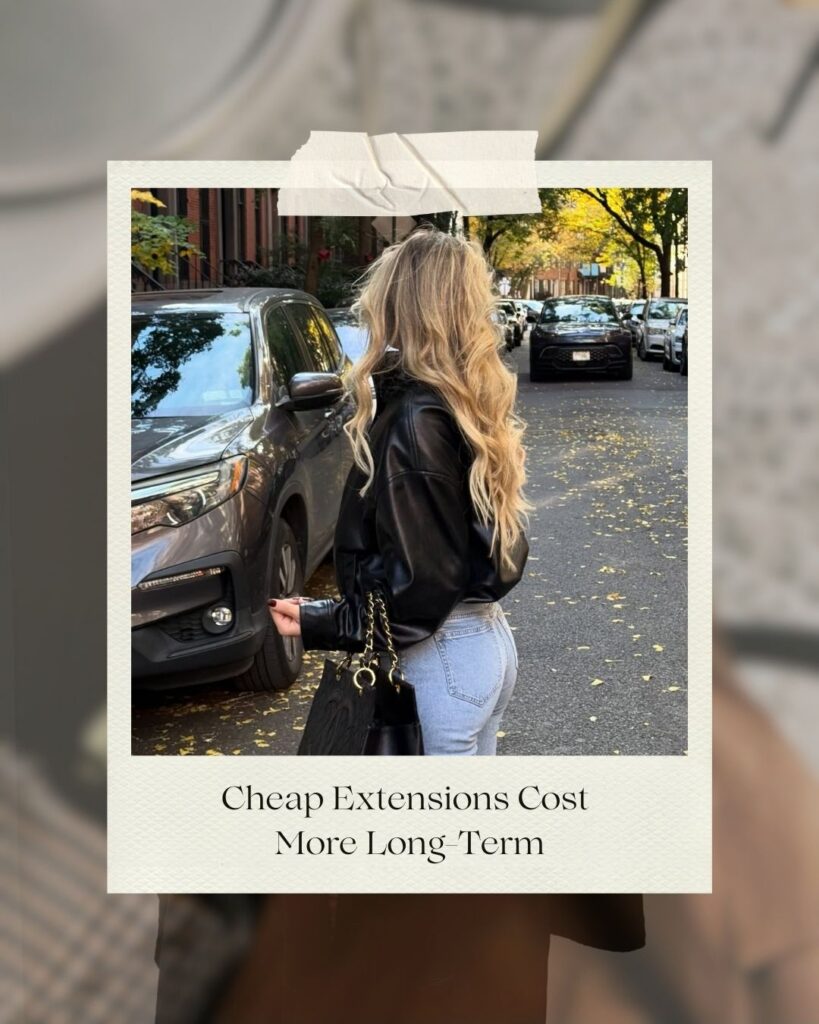
Cheap Extensions Cost More Long-Term

Lower-priced hair extensions almost always come with hidden costs.

They tend to mean:

  • a shorter lifespan
  • frequent replacements
  • constant adjustments
  • visible wear or damage

Clients end up paying twice. Once at the salon, and again with the health of their natural hair.

Luxury hair extensions are different by design. They’re created to:

  • last through multiple installs
  • maintain their integrity over time
  • protect the client’s natural hair

Yes, the upfront cost is higher. But the long-term cost? Significantly lower.

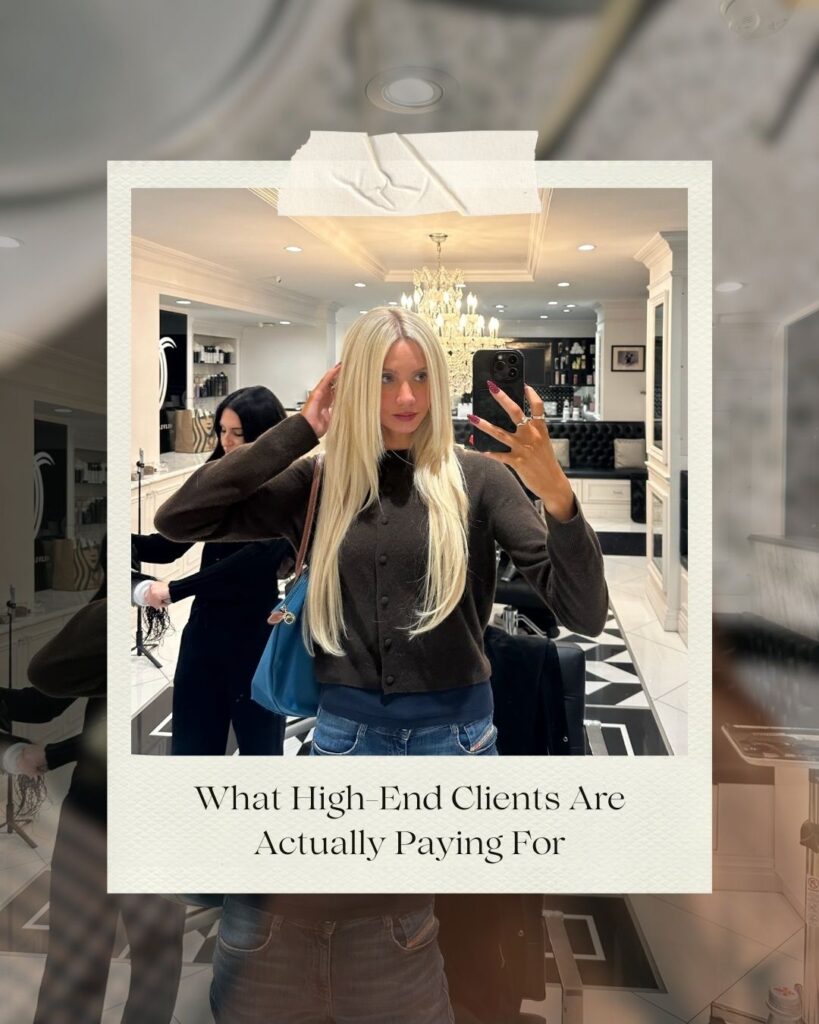
What High-End Clients Are Actually Paying For

Luxury clients aren’t paying for more hair. That’s one of the biggest misconceptions in this industry.

They’re paying for:

  • consistency
  • discretion
  • precision
  • longevity
  • trust

They want to sit in the chair knowing exactly how their hair will look when they leave, every single time.

No surprises. No experimenting. No panic before an event.

That level of predictability doesn’t happen by accident. It’s built through experience, process, and intention.

Why My Clients Never Want a “New Look”

My clients come in for maintenance every 6-8 weeks – and 99% of them never ask to change their look.

That surprises people.

But luxury clients aren’t chasing dramatic transformations. They’re investing in refinement.

When hair:

  • blends seamlessly
  • grows out invisibly
  • feels weightless
  • photographs flawlessly

There’s no desire to reinvent it. Great hair becomes part of your identity, not a trend you’re constantly trying to keep up with.

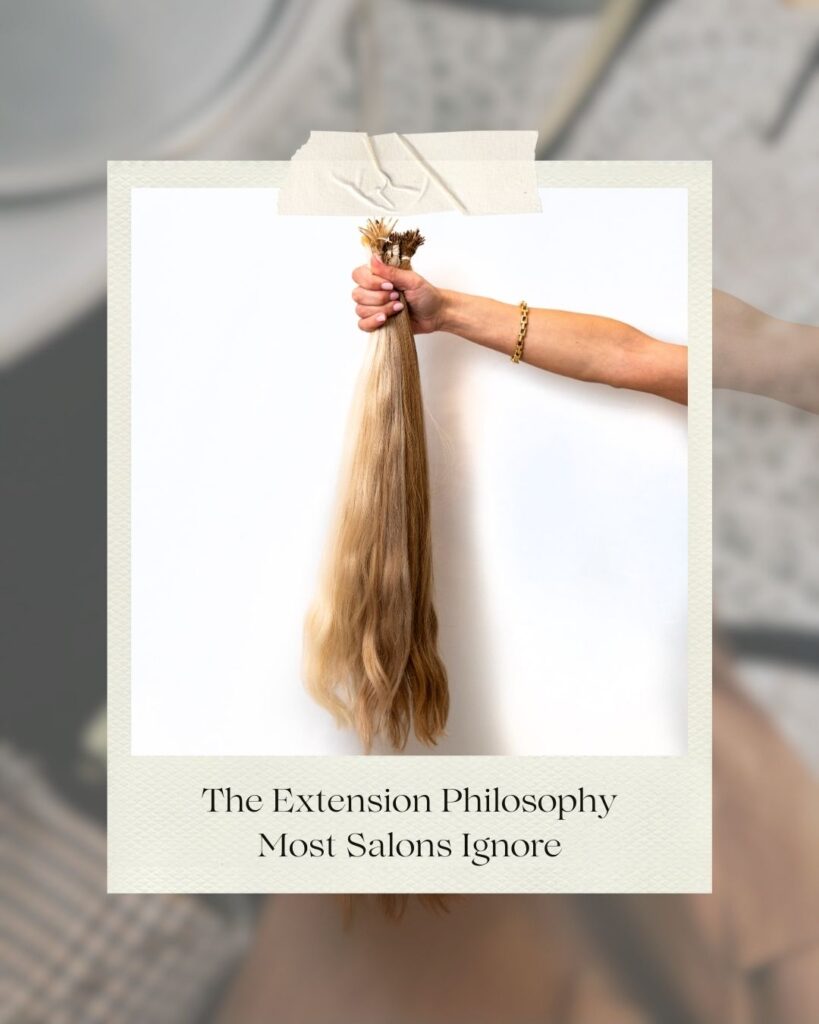
The Extension Philosophy Most Salons Ignore

The goal of hair extensions isn’t transformation. It’s integration.

The best extensions don’t change how you look, they enhance what’s already there. They move like your hair. They wear like your hair. They belong.

That philosophy requires restraint, technical skill, and experience.

And yes, it costs more.

A Red Flag to Listen For

If a stylist says: “This is what everyone gets.”

That isn’t luxury.

Luxury hair extensions are bespoke. They’re tailored to:

  • one head
  • one lifestyle
  • one client

Anything less is a shortcut.

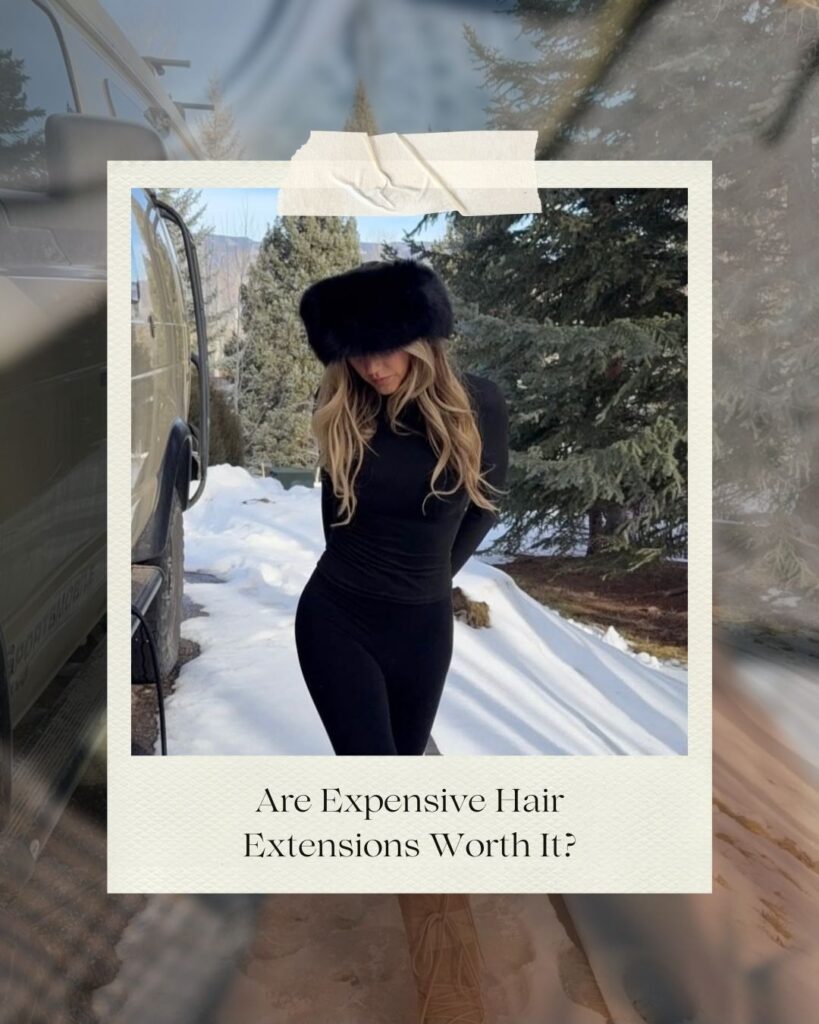
Are Expensive Hair Extensions Worth It?

If you value:

  • the health of your natural hair
  • a consistent, polished look
  • confidence without constant maintenance stress
  • hair that doesn’t announce itself

Then yes. Every time.

The truth is, clients who pay more aren’t doing it to show off. They do it so they never have to think about their hair again.

That’s the real luxury.

Ready to feel the luxury Olivia Christensen Experience for yourself? Book a consultation with our founder Christina today

Hair Extension Tips

The Beginner’s Guide to I-Tip Hair Extensions

At Olivia Christensen Salon, our motto is, “Invest in your hair, it’s the crown you never take off.” And if you’re considering hair extensions in 2026, i-tip extensions are the most luxurious and versatile option available.

Whether you’re completely new to extensions or just curious about the different extension types, this guide will help you understand everything you need to know about i-tip hair extensions. 

From how they’re installed to how to care for them, we’ll cover the basics, bust myths, and share expert tips to make sure your luxury i-tip extensions look flawless and last longer.

By the end of this post, you’ll know why these extensions are a favorite among clients who want natural, long-lasting, and damage-free ways to add length and volume to their hair.

What Are I-Tip Hair Extensions?

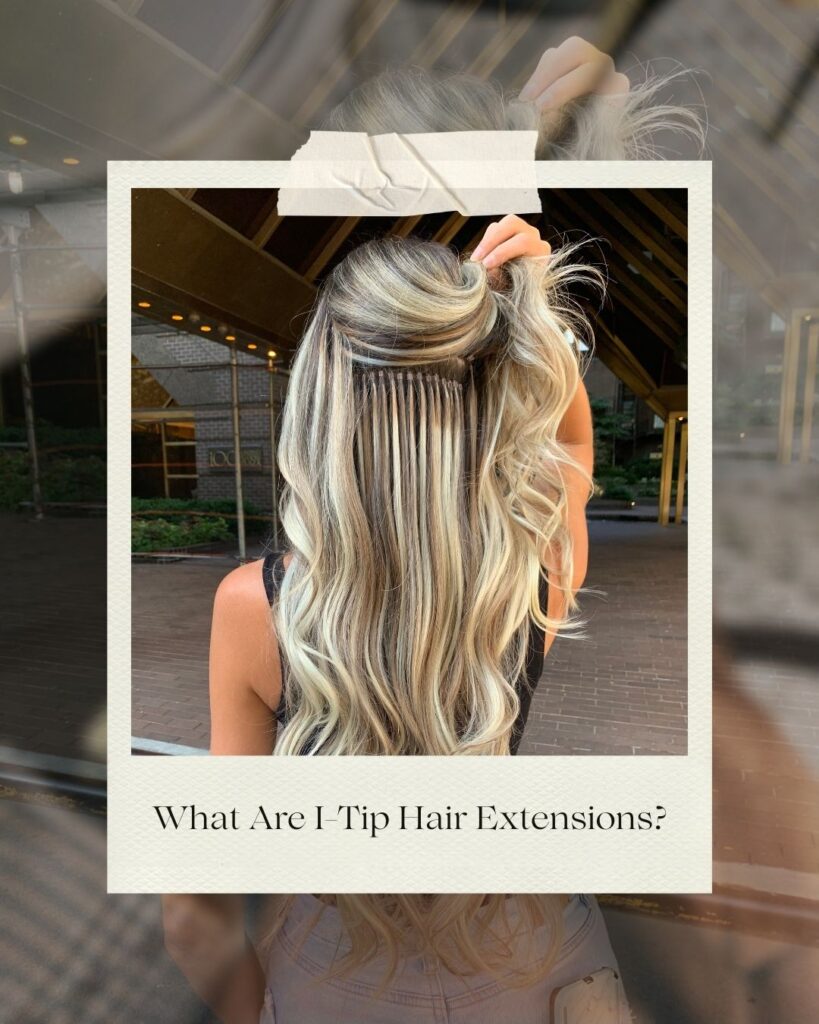
I-tip hair extensions, sometimes called micro-bead extensions, are individual strands of hair attached with small, reusable metal beads. Unlike tape-ins or glue-in extensions, i-tips don’t require heat or adhesives for installation. This makes them a gentler, more flexible option that’s perfect for clients who want a long-lasting, natural look without putting stress on their natural hair.

Each i-tip strand is individually applied by a stylist using precision tools. With proper care, the extensions can be moved, adjusted, and reused multiple times. When installed correctly with luxury, full-cuticle hair, i-tip extensions blend seamlessly with your natural hair, giving the ultimate “your hair, but better” look.

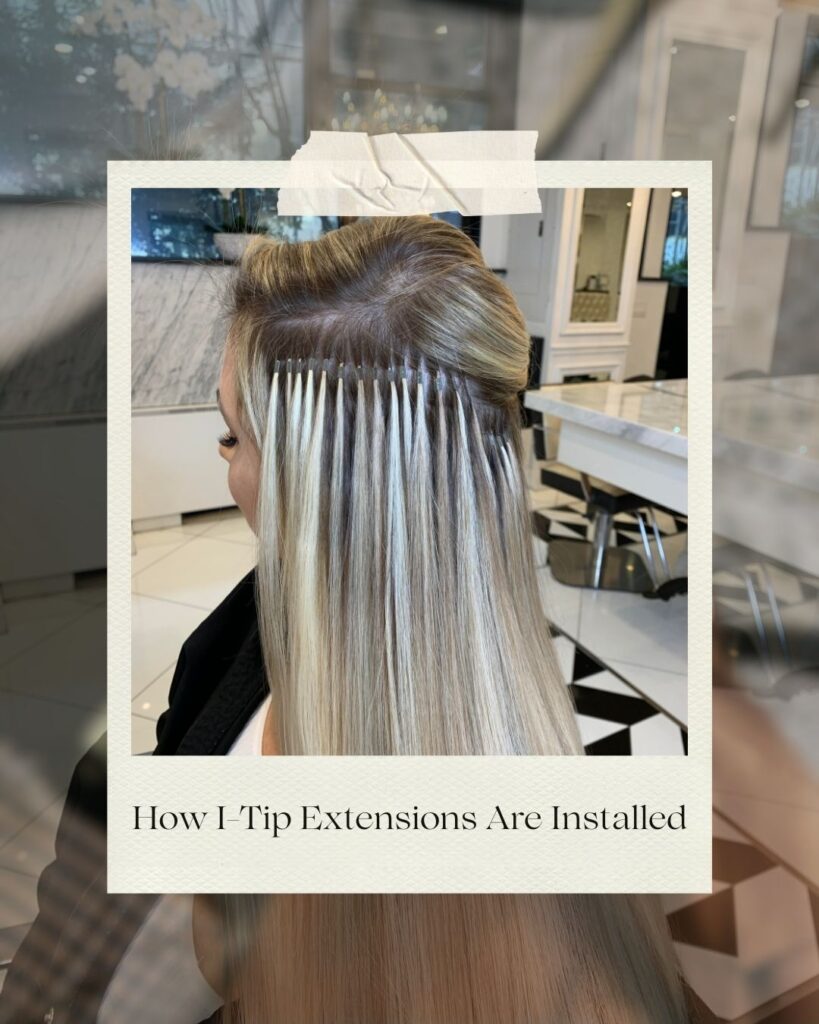
How I-Tip Extensions Are Installed

Getting your i-tip extensions installed may seem intimidating at first, but the process is surprisingly straightforward when done by a professional. Here’s what to expect:

  1. Consultation & Color Match: Before your appointment, your stylist will assess your natural hair and custom-blend your extensions to match your color, texture, and thickness.
  2. Sectioning: Your natural hair is carefully sectioned to ensure each i-tip bead is discreetly and securely placed.
  3. Bead Placement: Using a special tool, each extension strand is threaded through a tiny bead and clamped in place. No heat or glue is required, which minimizes damage.
  4. Finishing Touches: Once all strands are applied, your stylist will brush, style, and trim the extensions to ensure a flawless, natural finish.

Appointments usually last between 1 and 3 hours, depending on the number of extensions and the thickness of your hair. Taking your time ensures a precise, luxurious result that lasts.

I-Tip Extensions vs Other Extension Methods

I-tip extensions aren’t the only option, but they offer unique benefits compared to other methods. Here’s our quick comparison:

  • I-tips vs. Tape-ins: Tape-ins are quicker to install but last a shorter time and can’t be reused as often. I-tips provide more longevity and flexibility.
  • I-tips vs. K-tips: K-tips (keratin tips) require heat for bonding, which can cause damage to your natural hair. i-tips don’t require heat, making them safer for long-term hair health.
  • I-tips vs. Clip-ins: Clip-ins are temporary and convenient, but can’t provide the seamless, natural look that i-tips offer, and they can also cause damage where they pull on your natural hair.

To learn more about the different types of hair extensions, we have this free guide and this free guide.

Are I-Tip Extensions Safe for Your Natural Hair?

One of the biggest concerns for first-time extension clients is whether extensions will damage natural hair. When installed by a trained stylist, i-tip extensions are extremely safe.

Common myths like “extensions will cause breakage” or “extensions thin your hair” usually happen when clients attempt DIY installations or skip proper maintenance. With i-tips, your hair grows naturally underneath, and the beads can be moved or removed to prevent stress on your strands.

How Long Do I-Tip Extensions Last?

Luxury i-tip extensions are a long-term investment. Here’s what you can expect:

  • Lifespan: 6–12 months with proper care
  • Maintenance: Every 6–8 weeks for repositioning beads and touch-ups
  • Reusability: High-quality, full-cuticle hair can be reused for multiple installs

Proper at-home care is crucial. Using the right brushes, heat protectants, shampoos, and conditioners will dramatically increase longevity.

Who Are i-Tip Extensions Best For?

I-tip extensions are ideal for anyone who wants:

  • Natural-looking length and volume
  • Reusable, long-lasting hair extensions
  • Gentle installation with minimal hair damage
  • Flexibility in styling (straight, curly, or wavy)

They work well for most hair types, but clients with very fine hair may need a consultation to determine the best placement and number of strands.

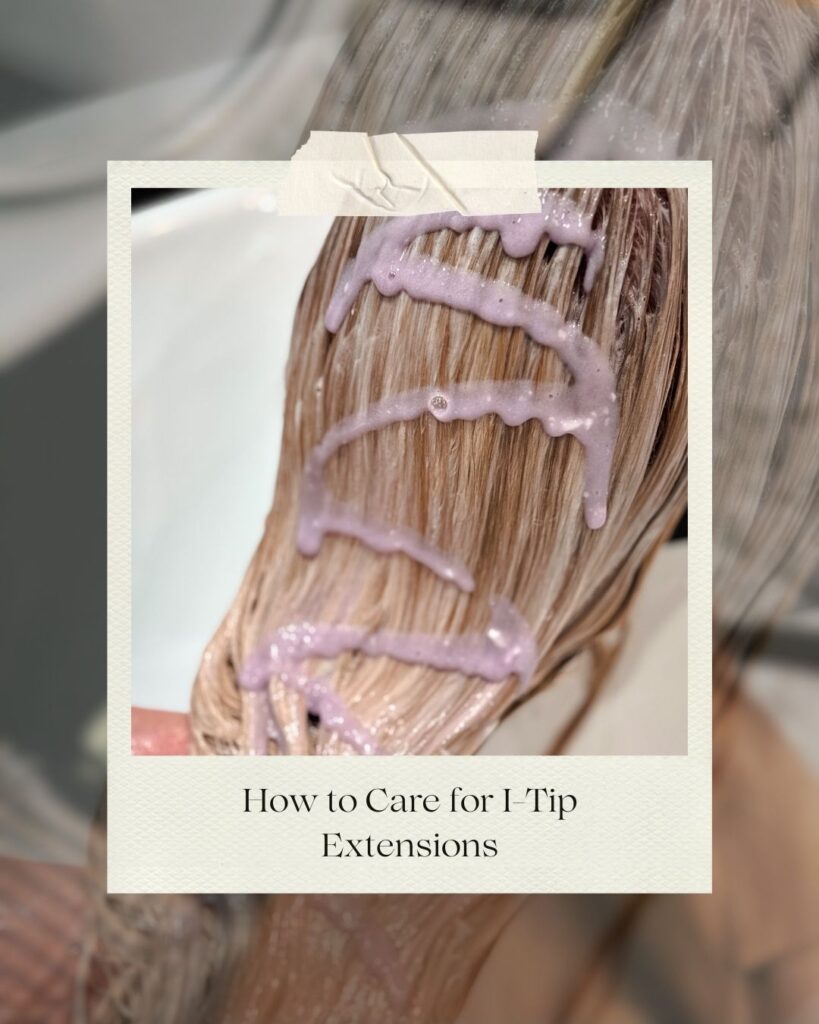
How to Care for I-Tip Extensions

Taking care of your extensions is where the investment truly pays off. Here’s how to keep your hair healthy and your extensions flawless:

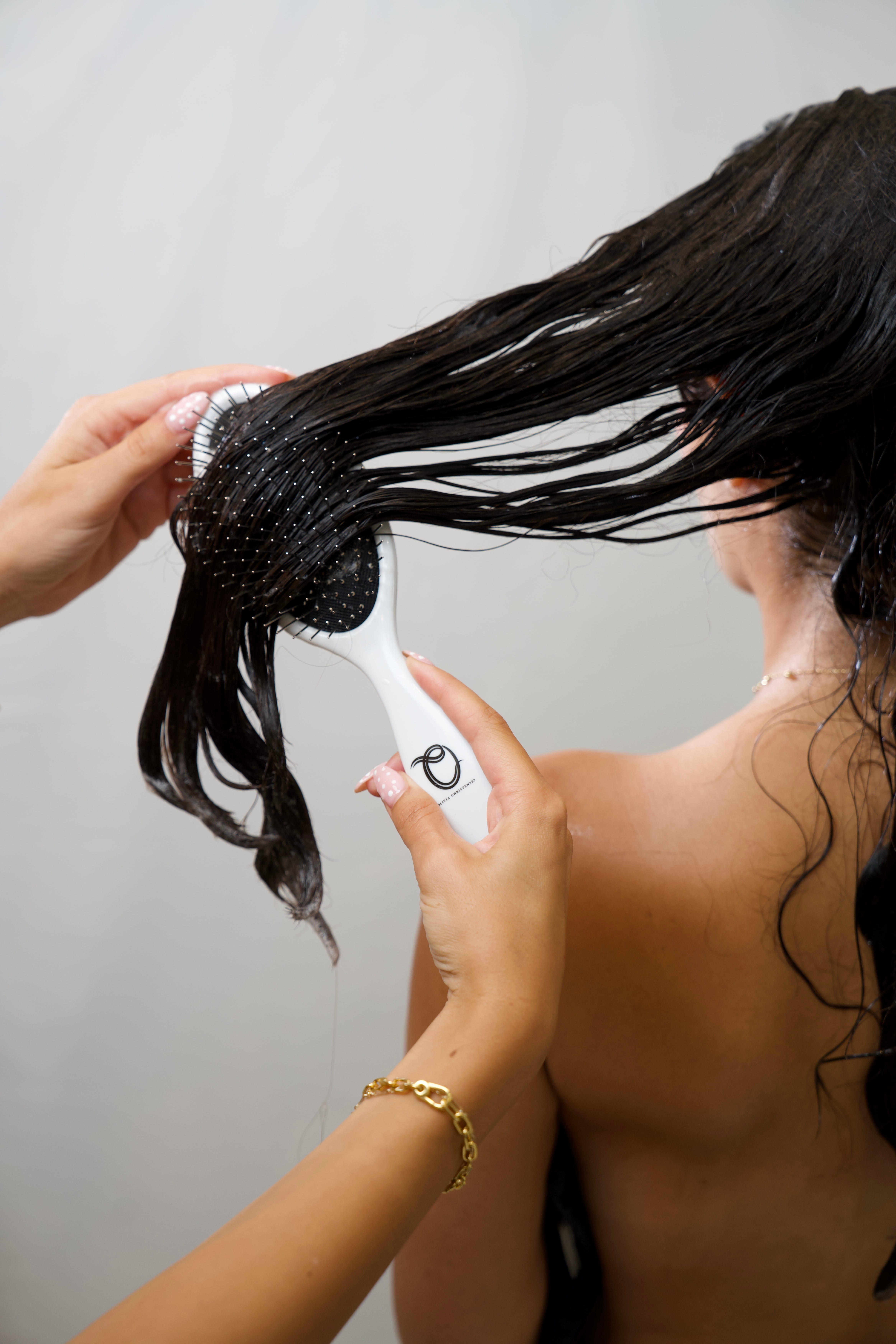
  1. Brushing: Always use an extension-safe brush (like our Untangle Me Brush) and brush gently from the ends up.
  2. Washing: Use sulphate-free shampoos and conditioners designed for extensions. Avoid washing every day.
  3. Heat Styling: Use a heat protectant spray like Genesis by Kérastase and reduce heat styling when possible.
  4. Sleeping: Tie your hair in a loose braid or ponytail using silk scrunchies to prevent tangling.
  5. Avoid Oils Near Bonds: Oils can loosen the beads, so we always recommend our clients avoid them.

If you need products to help keep your extensions safe, shop our full kit here.

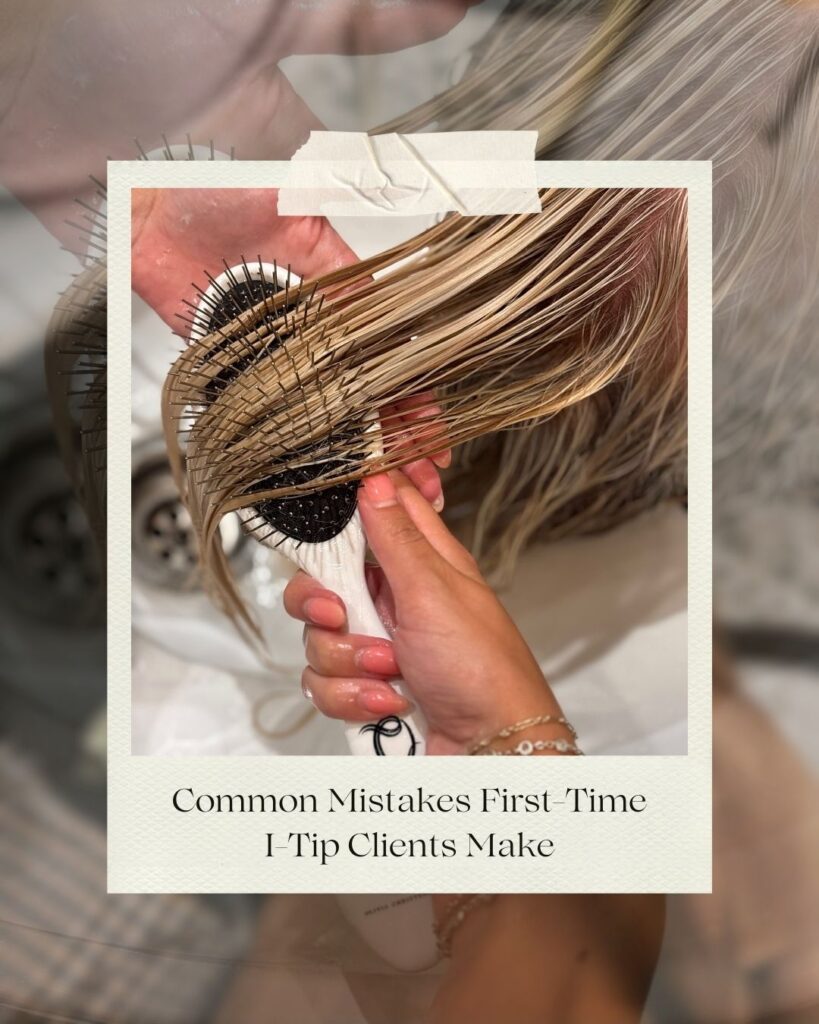
Common Mistakes First-Time I-Tip Clients Make

Even experienced hair lovers make these errors with extensions:

  • Overusing oils or heavy styling products
  • Skipping regular maintenance appointments
  • Using the wrong brushes or combs
  • Attempting DIY installations

Avoiding these mistakes ensures your extensions last longer and look better every day.

Are i-Tip Extensions Worth the Investment?

Absolutely. High-quality i-tip extensions:

  • Blend seamlessly with natural hair
  • Protect hair from heat and damage when cared for properly
  • Can be reused for multiple installs
  • Boost confidence and give you versatile styling options

Conclusion

I-tip hair extensions are a luxurious, long-lasting, and safe way to elevate your hair. By choosing the right stylist, understanding the installation process, and following a proper care routine, you can enjoy gorgeous, natural-looking hair for months.

If you’re ready to start your luxury hair journey in 2026, book a consultation with our founder, Christina, to see if our i-tip extensions are right for you. With the right guidance and the proper care routine, your beautiful, healthy, dream hair is just an appointment away.

Hair Extension Tips

The Difference Between Luxury and Standard Hair Extensions

Welcome back to the blog. We’re Olivia Christensen Salon, and over the last year, we’ve shared numerous posts discussing the differences between hair extension types, the pros and cons of various methods, and debunked the biggest myths about hair extensions. You could say that we know a thing or two about hair… (our founder is, after all, the Hair Goddess of New York).

​While we’ve talked about this topic on various occasions, today we’re going to do a deeper dive into the differences between luxury and standard hair extensions.

​And first, you might be wondering… what makes hair extensions either luxury… or not? Well, it all starts with the hair that’s being used for the extensions.

The Type of Hair That’s In Hair Extensions

You might think this one’s simple — after all, hair extensions are made from… hair, right?

Not always.

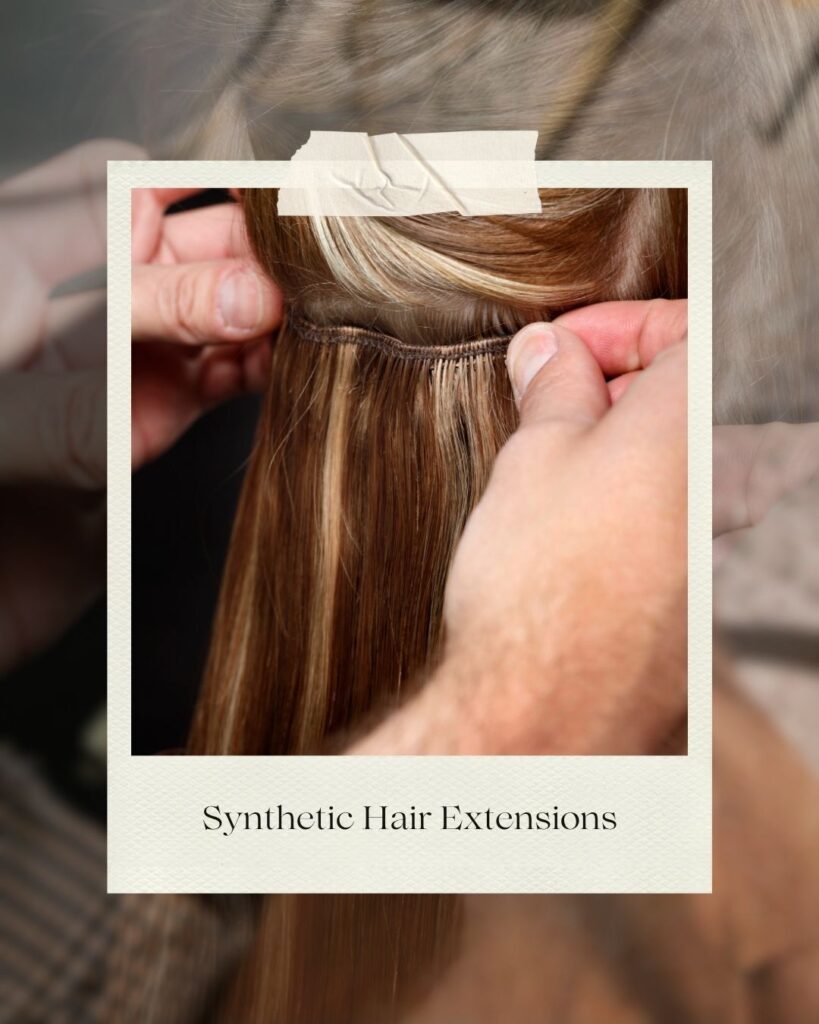
When it comes to what’s actually used in extensions, there are two main types: synthetic hair and human hair. And understanding the difference is where quality truly begins.

Synthetic hair

By definition, synthetic means “made by chemical synthesis, especially to imitate a natural product.”

In other words, synthetic hair extensions are not real hair — they’re manufactured to look like it.

You’ll typically find synthetic hair in low-quality clip-ins (the kind you see all over Amazon) or inexpensive wigs. But here’s where it gets tricky — some manufacturers use what’s called fallen hair and still market it as “real human hair.”

Fallen hair is collected from salon floors, brushes, and even drains, then chemically processed to make it appear smooth and shiny. Some brands also coat it in silicone to give it a soft, healthy look — but that coating washes away over time, leaving the hair dry, frizzy, and brittle.

Here’s the truth: you can’t create more hair out of thin air. Real, high-quality hair must be grown, collected, and purchased, which naturally affects its price.

Human Hair

Now let’s talk about the real deal: human hair extensions.

Luxury extensions should always be made from 100% human hair, often referred to as Remy or full-cuticle hair. The gold standard is hair that’s never been chemically treated or dyed — truly natural, unprocessed hair.

Because this hair can’t be manufactured, it will always cost more than synthetic options. But the results speak for themselves.

High-quality human hair moves, styles, and feels like your own natural hair. Your stylist can match the texture, color, and density to your natural hair for a seamless, undetectable blend. It also lasts much longer and can be washed, styled, and maintained just like your real hair — because it is real hair.

If you’ve ever worn extensions, you already know: you can feel the difference the moment they touch your hands.

What Makes Luxury Hair Extensions Different

Luxury hair extensions start with ethically sourced, full-cuticle human hair — and end with expert craftsmanship. Each bundle is carefully aligned to preserve the hair’s natural direction, resulting in smooth, tangle-free extensions that last for years. Unlike mass-produced synthetic options, luxury extensions are designed to blend, move, and feel like your natural hair — because they are real hair.

The Longevity of Luxury vs. Synthetic Hair Extensions

Yes, luxury hair extensions come with a higher upfront cost — but that investment pays off over time. Real human hair extensions not only look and feel better, but they also last significantly longer than synthetic alternatives, making them a smarter long-term choice.

Luxury hair extensions (like ours) are designed to last for years when properly maintained. When you take care of your hair, it takes care of you — staying soft, silky, and beautiful through countless wears and styles.

Synthetic extensions, on the other hand, degrade quickly. They lose their luster, tangle easily, and can’t handle heat styling or color the way human hair can. If you’ve ever spotted extensions that looked overly shiny, stiff, or obvious — chances are, they were synthetic.

Durability is another key difference. Once synthetic fibers break down, there’s no way to restore them. Human hair extensions, however, maintain their integrity, softness, and shine far longer because they’re made from real hair. That means you can wash, style, and care for them much like your natural hair — and enjoy that seamless, effortless look for months (or even years) to come.

Are Luxury Hair Extensions Worth It?

Yes. Absolutely, yes.

Luxury hair extensions not only elevate your look — they protect your natural hair, promote growth, and maintain their beauty far longer than synthetic alternatives. They style just like your own hair, meaning you’ll never have to compromise on your signature look.

Trust us — luxury extensions don’t just add length and volume; they add confidence.

Another reason stylists (and clients) love them? Every bundle can be custom-blended to perfectly match your natural hair color, texture, and density. The result is seamless, natural movement that turns heads for all the right reasons.

It’s the Birkin of Bundles — refined, timeless, and absolutely unmatched.

FAQs About Luxury Hair Extensions

  • How long do luxury extensions last? With proper care, our luxury extensions can last up to 1–2 years.
  • Can I color my extensions? Yes — since they’re 100% human hair, your stylist can custom tone or color them for a perfect match.
  • Do luxury extensions damage your natural hair? Not when installed and maintained correctly. In fact, our lightweight i-tip method protects your natural hair while it grows.

Ready to see the difference for yourself? Book a consultation with our founder and experience the beauty of truly luxurious hair.

Read next: 7 Lies You’ve Been Told About Hair Extensions (And What to Believe Instead)

Trends

Fall Hair Preview: Fall Extension Trends We’re Loving for 2025

The best hair trends are the ones that feel timeless yet new, and fall 2025 is giving us just that. From soft, airy cuts to bold, statement colors, this season is all about striking a balance between sophistication and playfulness. Hair extensions are the secret weapon to bring all of these trends to life, adding volume, length and movement just where you need it. 

Here’s your preview of the fall 2025 hair extension trends you’ll be seeing everywhere.

Fall Hair Preview: Hair Extension Trends We’re Loving for 2025

So, what’s actually trending this fall? From cuts and colors to playful accessories, these are the looks that are leading the season. Each one pairs perfectly with our luxury i-tip extensions, whether you’re adding length, experimenting with color or boosting your style’s staying power. 

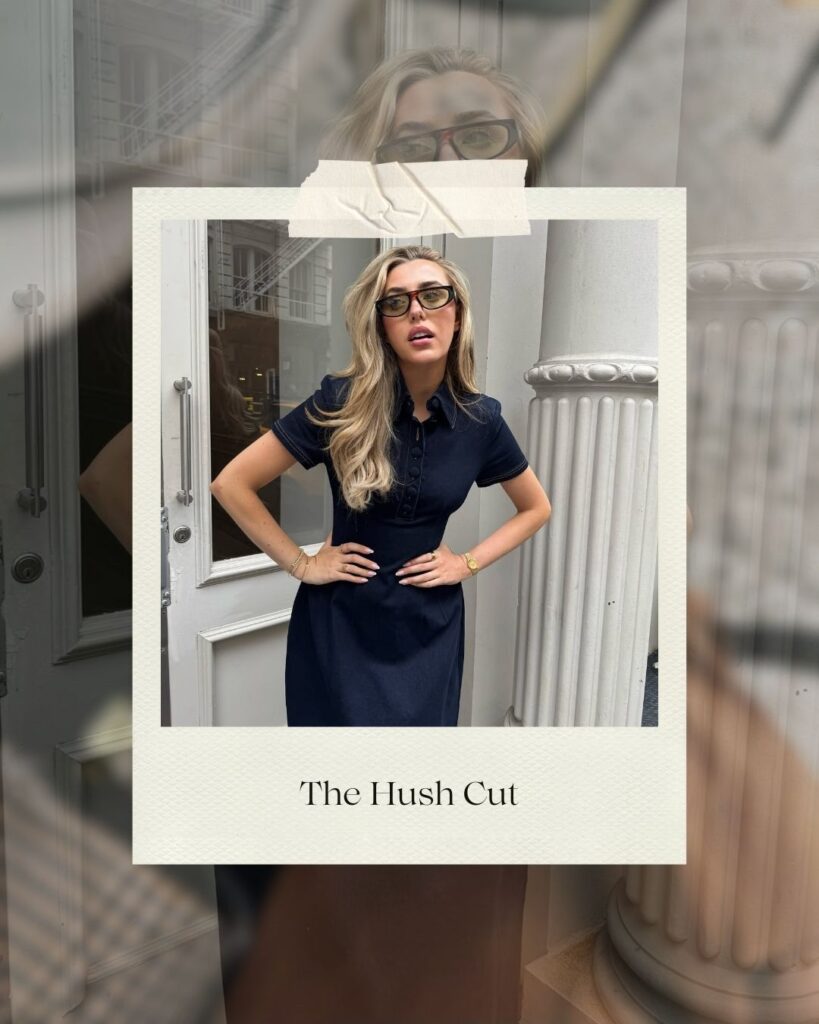
The Hush Cut: Soft, Layered Refresh That Plays Beautifully with Extensions

The hush cut is quietly rising as one of this fall’s most wearable and beautiful hair trends. This trend was started in South Korea and features soft, feathered layers and wispy ends that create air movement. Think of it like your hair gently whispering.

Why it Works with Extensions

  • The layered, blended structure of a hush cut makes it the perfect canvas for i-tip extensions that are butter-light and effortlessly integrated. 
  • Layers and wispy curtain bangs help disguise the seam between extensions and your natural hair, allowing for more volume and seamless texture. 
  • Ideal for finer hair types, the hush cut paired with extensions help to bring back volume and body that may have faded over time, all while looking soft and polished! 

Bottleneck Bangs: Effortless Fringe That Frames & Blends Beautifully

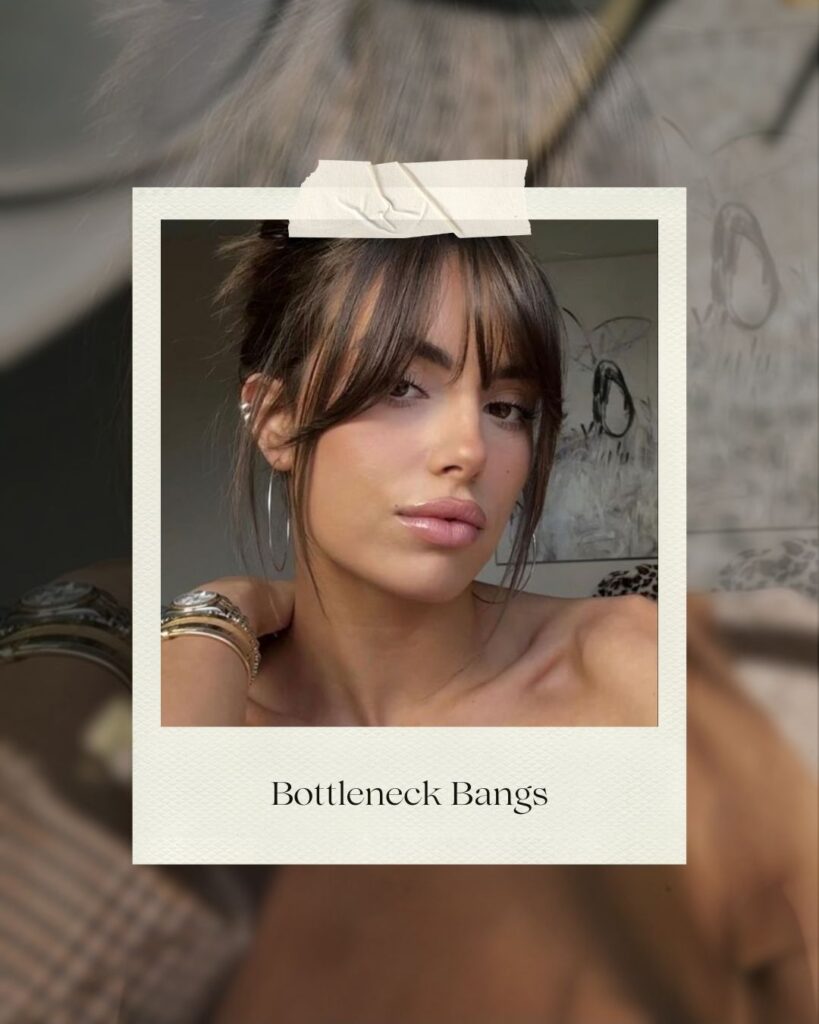
Last year was all about curtain bangs, and while we still love this style, we’re also falling in love with this season’s bangs trend: Bottleneck Bangs. These are a chic, ‘70s-inspired fringe that’s trending as one of the standout looks in our fall 2025 hair extensions trends guide.

Bottleneck bangs blend what we love about full and curtain fringes into a universally flattering look. The center portion sits shorter, just above the brow and then they fan outward into gently, longer pieces. These longer pieces then frame the eyes and cheekbones. 

They get their name because the shape mimics the curve of a bottleneck. These bangs are soft, balanced and work with a wide variety of face shapes. 

Why They Pair so Well with Extensions:

  • Our luxury i-tip extensions offer seamless blending, which is necessary for hair trends like bottleneck bangs. We can place pieces around your face to soften the transition between your natural hair and the extensions, especially when layered. 
  • From textured waves to sleek strands to effortless updos, these bangs move with your style while keeping your extensions perfectly blended.
  • They’re also low commitment. If you’re hesitant about full bangs, bottleneck bangs add style without losing flexibility, especially with the help of longer extensions. 

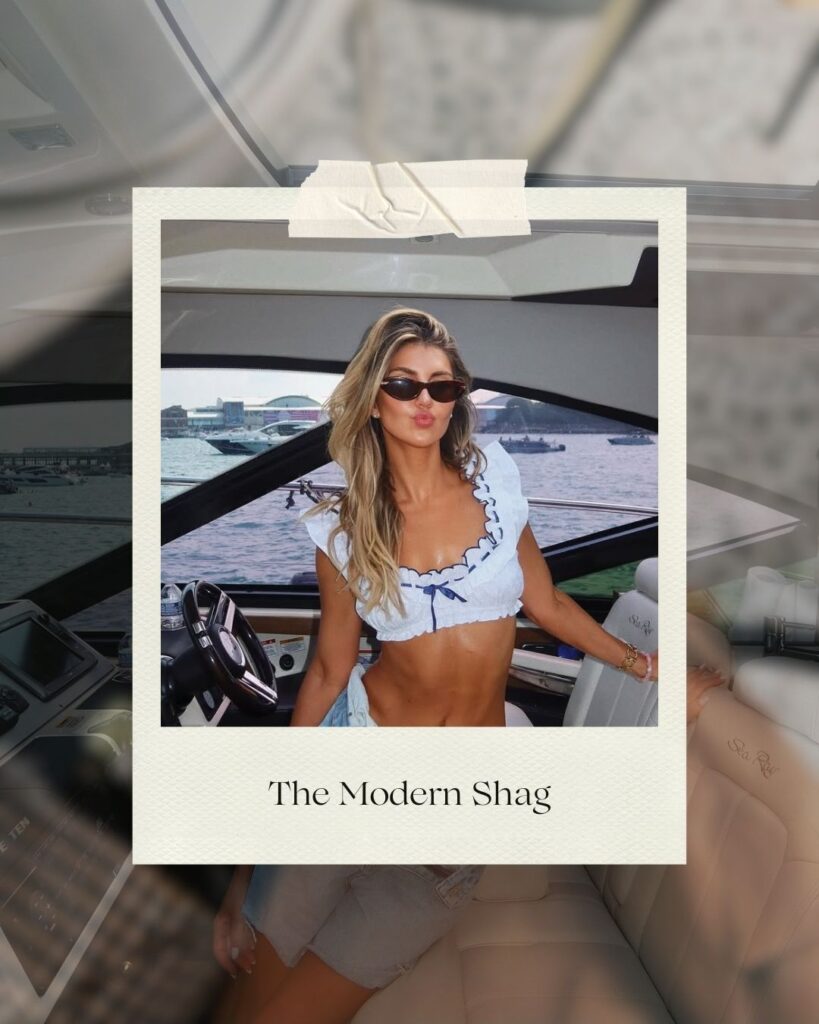
Modern Shag: Textured Layers That Play Beautifully with Extensions

The original shag haircut was made popular in the 70s and 80s and now it’s being reimagined for 2025. It’s an effortless shaggy look with plenty of layers that sit softly around your face and crown. These effortless layers, cool texture and retro charm are what’s making this a hair extension trend for fall 2025. 

Why Extensions Work so Well with a Modern Shag

  • Our luxury i-tip extensions add body and length that can sync perfectly with the shag’s layers. This gives an overall rich, flowing texture that feels both light and full. 
  • The uneven layers of a shag can disguise the intersection of your natural hair and your extensions. I-tips already give you a seamless finish, but with these layers you genuinely won’t be able to tell where your hair ends and the extensions begin. 
  • This is the most low-maintenance style you can get this fall. Want an air-dried, tousled look? No problem. Prefer sleek and edgy? Both are easily achieved with this haircut. 

While those are the top haircuts and styles of fall 2025, let’s dive into some of our favorite trending hair colors of the season. 

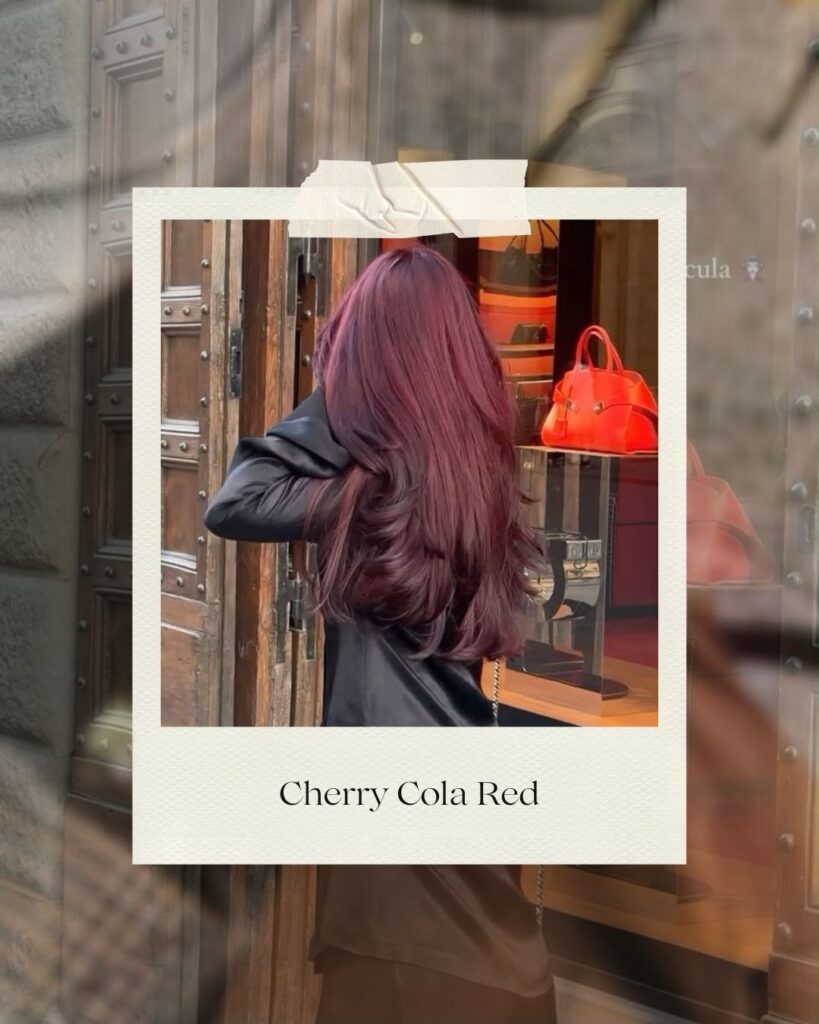
Cherry Cola Hair

Think of Cherry Cola hair as the chic cousin of classic red. Deeper, more sophisticated and just the right amount of warmth. Cherry Cola blends burgundy and dark brown tones for a juicy, multi-dimensional finish that feels luxurious and effortlessly seasonal. 

Color experts have already said that this is one of the most sought-after autumn shades in 2025 and it’s something we’re seeing more and more in our client’s inspo photos. 

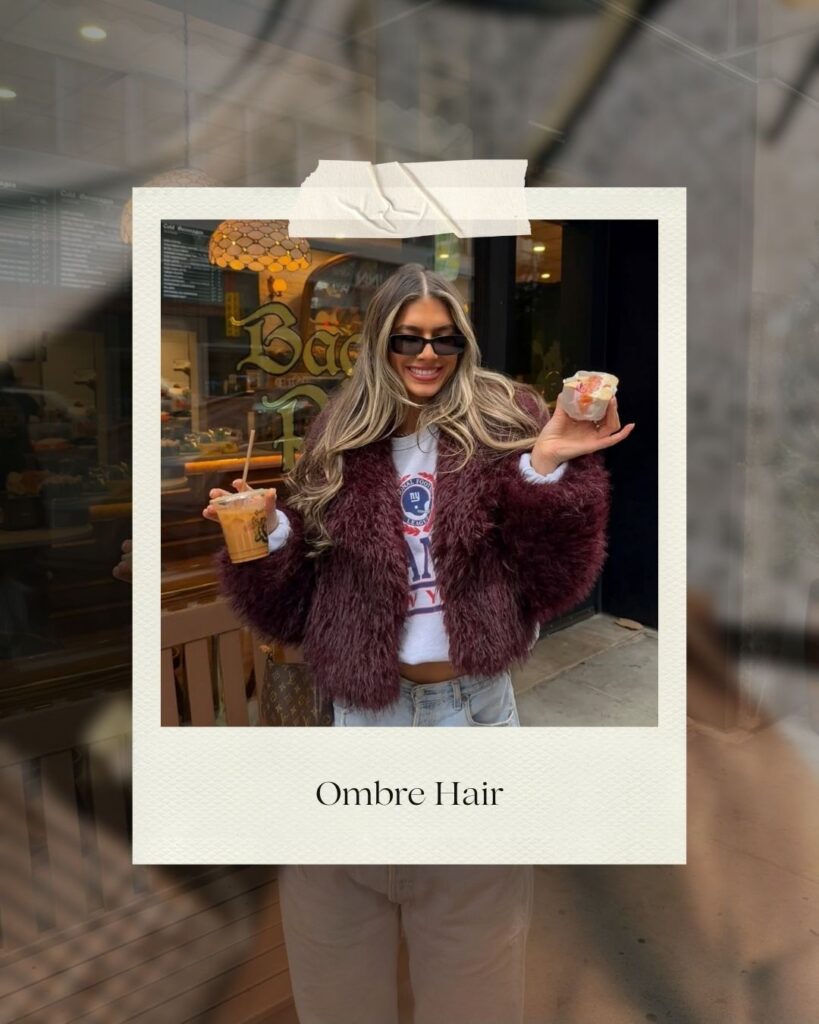
Ombre Hair

You can think of ombre hair like a balayage, and it’s definitely coming back into fashion in fall 2025. The ombre here is referring to the seamless transition from dark roots to lighter ends. This can create a sun-kissed, low maintenance vibe that still feels polished. 

For fall, think about warmer tones like caramel, chestnut or honey that can blend into rich brunettes. We love an ombre or balayage because it’s a timeless trend that lets your hair grow more naturally. 

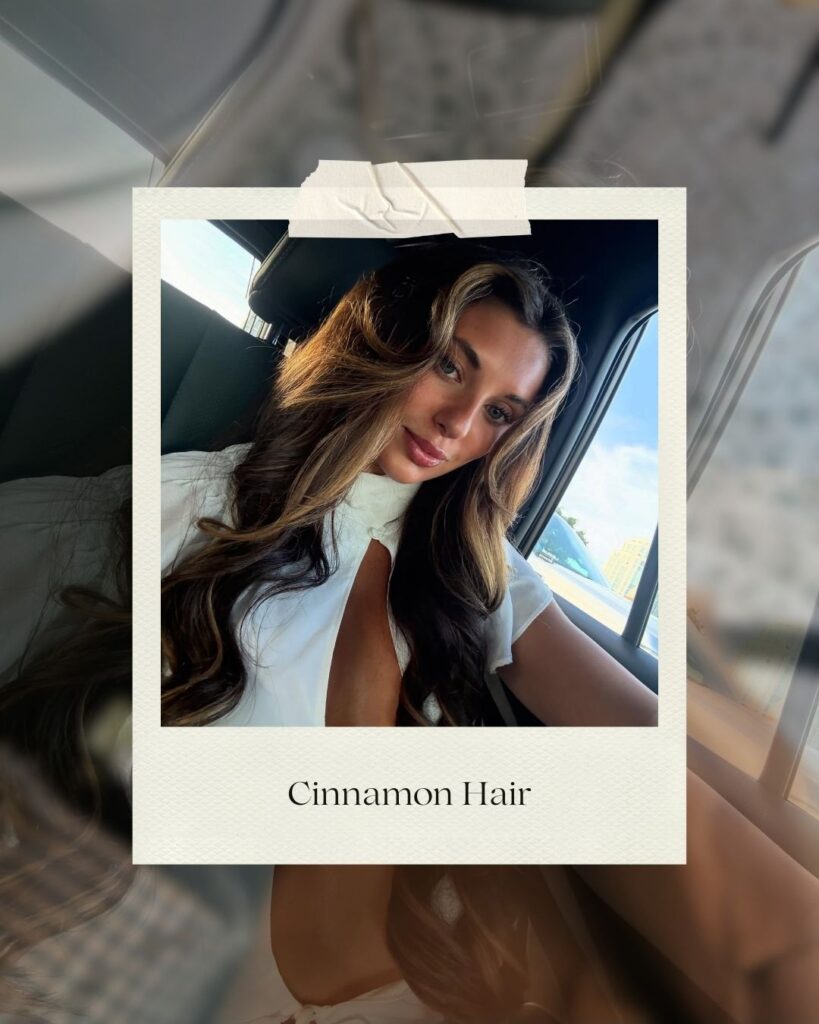
Cinnamon Hair

Cinnamon is our new favorite hair color that’s trending this fall. It blends copper, auburn and brunette tones for a rich and fiery shade that feels made for fall. Cinnamon hair is vibrant in natural light and adds instant depth to your look, whether you go for subtle cinnamon ribbons or a full-on spiced base. 

We also love this shade because it’s flattering across skin tones and pairs beautifully with your earthy autumn wardrobe. 

These are just a few of our favorite shades that are trending for fall hair extensions in 2025. Now let’s jump into a few of our favorite fall 2025 hair styling trends. 

Fall 2025 Hair Styling Trends We Love

Not every hair refresh needs a big chop or a bold change in color. Sometimes, it’s the styling that makes all the difference. Here are four styling trends that you’ll see everywhere this season.  

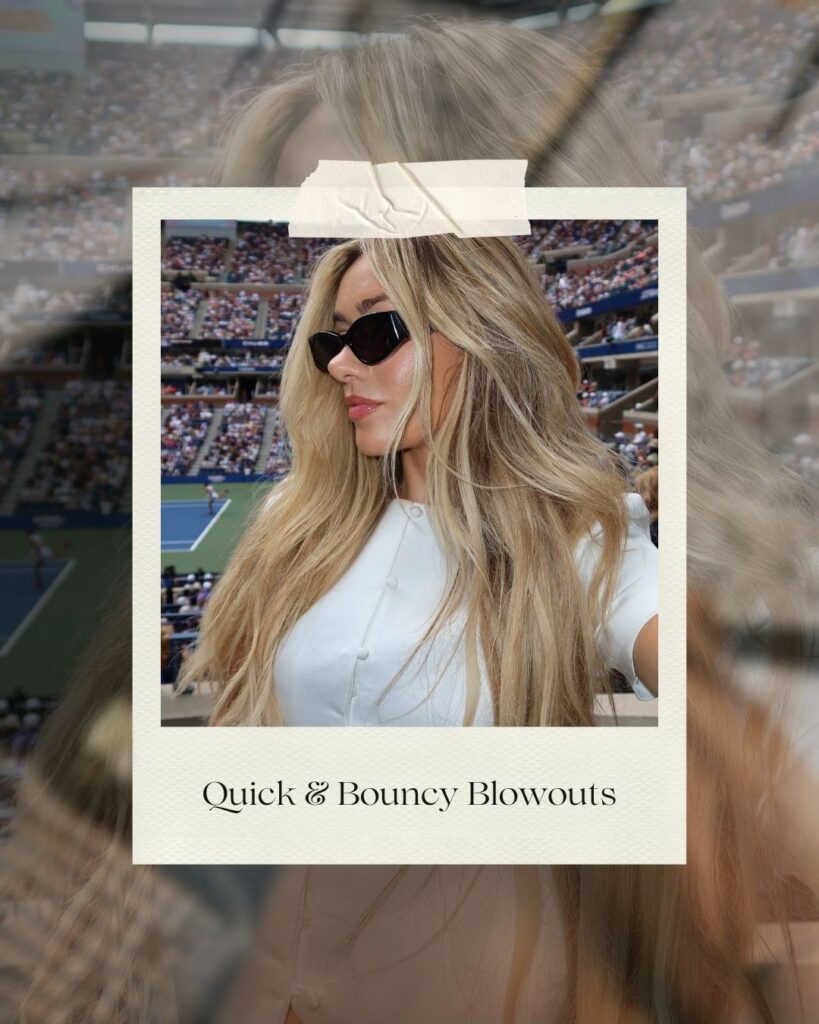
Quick and Bouncy Blowouts

If you’re looking for that “fresh from the salon” look, we’ve got you covered. Easy home blowouts are a trend from last fall that isn’t going anywhere. Soft layers and smooth bounce that’s polished and playful. Say no more! Read a full guide on how you can achieve a full, bouncy blowout at home.

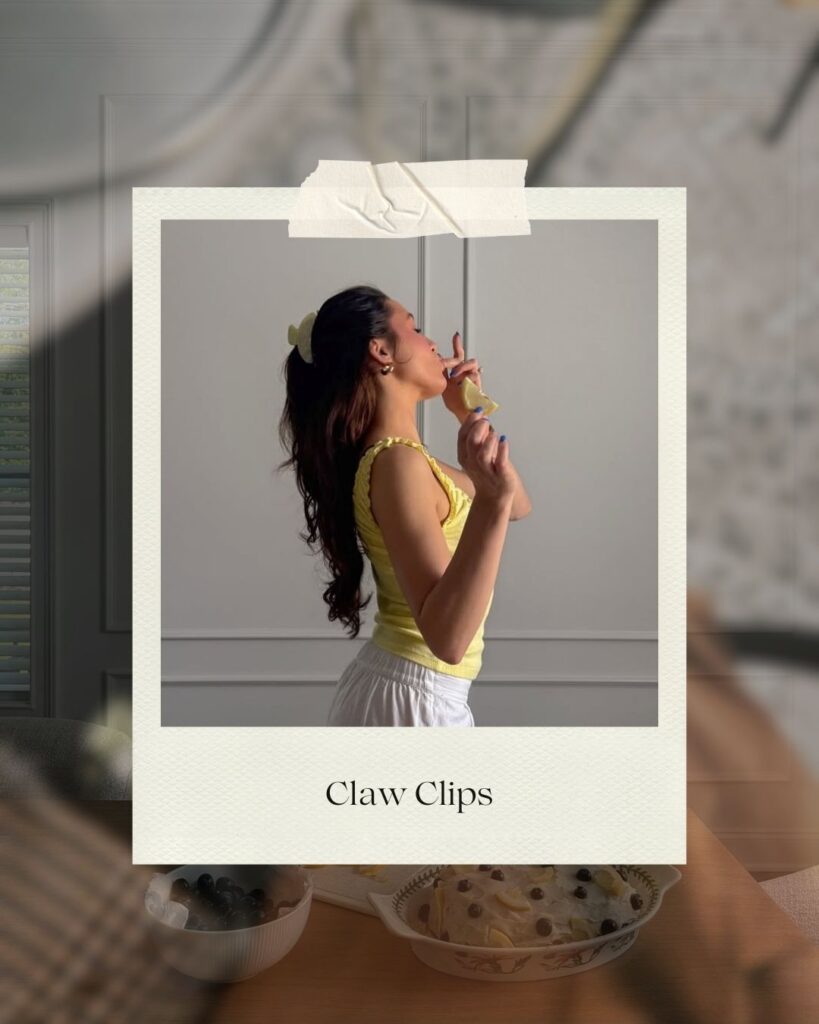
Claw Clips

This ‘90s revival is going nowhere. Oversized claw clips in tortoiseshell, metallics, or even velvet are the effortless way to throw your hair up while still looking chic.

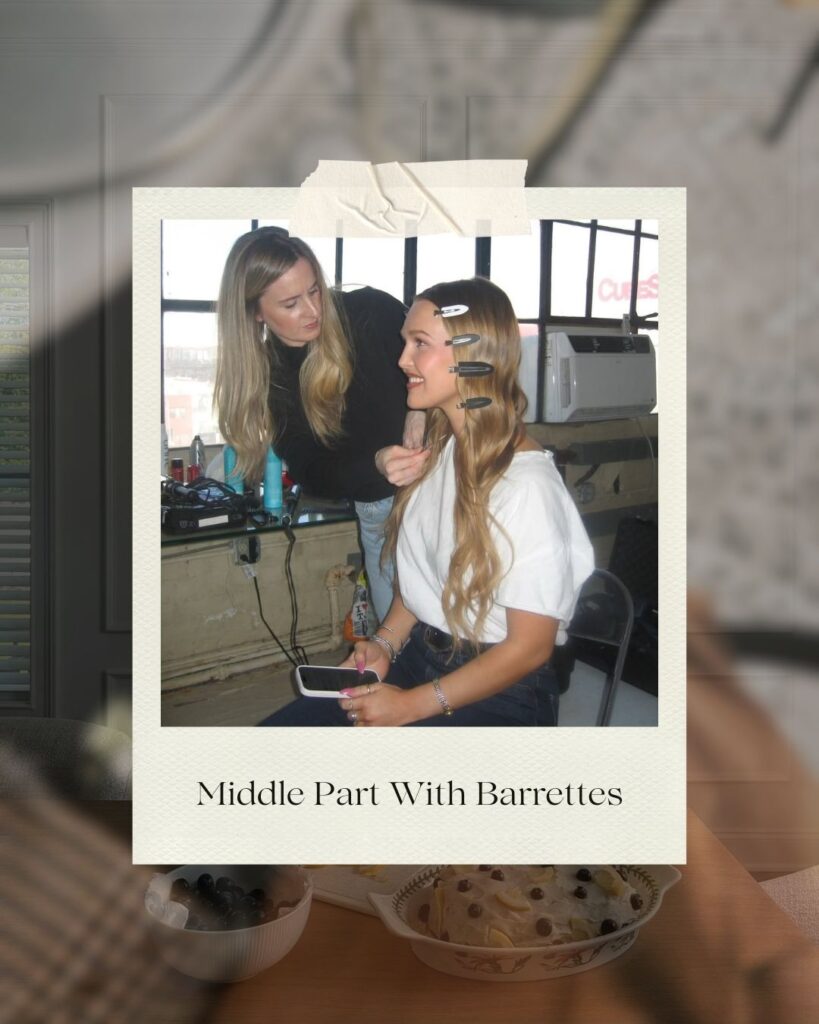
Middle Part With Barrettes

Minimalist barrettes add just the right amount of polish to a sleek middle part. Choose pearls, crystals, or matte metals to match your vibe — it’s understated glam that feels very 2025.

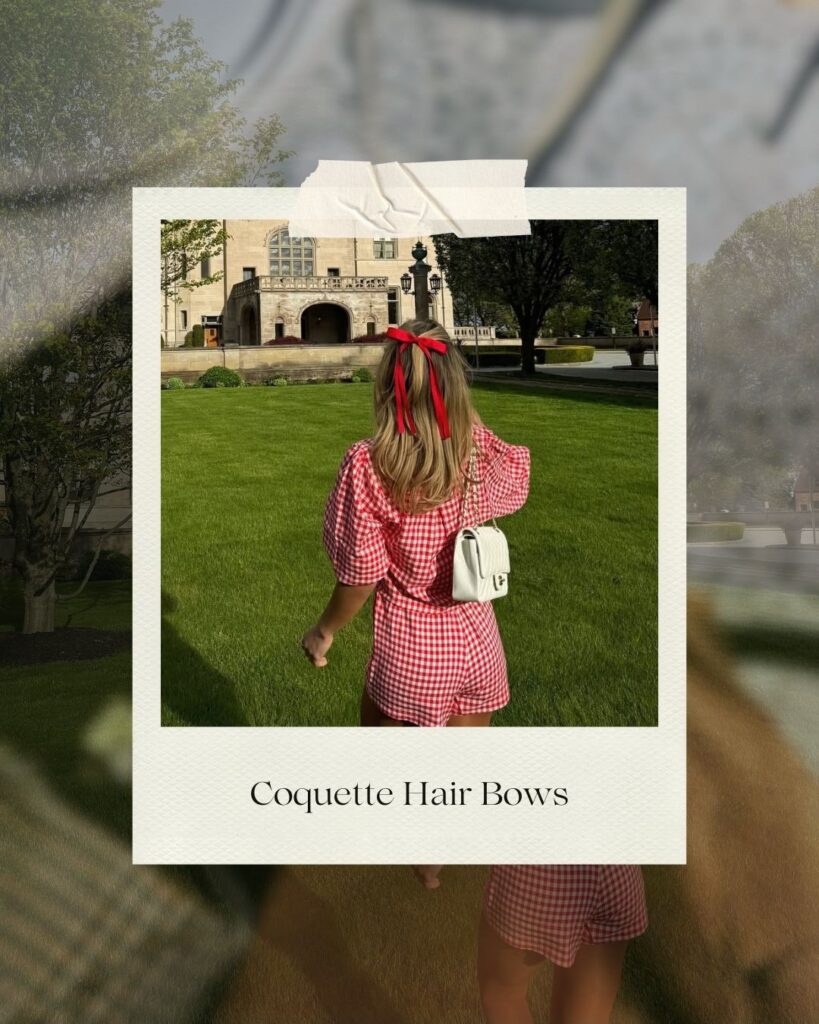
Coquette Hair Bows

This ultra-feminine trend adds a touch of romance to any hairstyle. Satin and velvet ribbons tied at the end of braids, ponytails, or half-up looks make for a sweet, yet sophisticated finish.

Fall is all about fun, versatility, and effortless glamour. Whether you’re ready for a bold haircut, a warm new color, or just a quick styling refresh, these trends make it easy to update your look this season. Which trend are you trying first?

Want to know how luxury i-tip hair extensions can help you achieve your dream fall look? Book a consultation with our founder Christina. She’ll help you pick the perfect cut, color or style to make this season your best yet.

Beauty

6 Reasons to Get Microbead I-Tip Hair Extensions

There are many different hair extension techniques – and they’re not all created equally. 

At our salons, we only use the highest quality, real human hair for our extensions, but the quality of hair extensions and the techniques for installation vary widely across the industry. In fact, it’s one of the first things we talked about on this blog

Our founder Christina developed a unique and intricate beaded extension technique. This technique (which she developed in her parent’s garage in Staten Island) quickly gained her a devoted clientele, helping her become a master of her industry. 

We’ve already shared the various hair extension installation techniques, so today we’re going to talk specifically about i-tip extensions and share 6 reasons why you should choose this style for your hair extensions.

1. Zero Damage and Zero Discomfort

With Christina’s intricate beaded extension technique, you’ll always leave the salon with zero damage to your natural hair – and zero discomfort. 

When applying i-tip extensions, your stylist will take small bundles of the extension hair and attach it to equally small bundles of your natural hair. This is done in rows across layers of your hair. Because the attachment points are small, there is significantly less tug and pull on your scalp and natural hair – helping free you from the typical discomfort of extensions. 

They’re also safe on your natural hair. I-tip extensions are actually a great way to promote natural hair growth.

2. No Heat-Fushion/Glue

This is a common concern for women who are getting extensions for the first time – they don’t want to damage their natural hair with the heat bonds and glue that’s typically used in extension application. It’s normal to have apprehensions about heat and chemicals used on your hair.

However, i-tip extensions are glue-free and heat-free. No chemicals are used to bond the extension hair to your natural hair. Instead, we apply the extension strands to your hair using small beads that clamp around your hair. The installation is much more comfortable and gentler on your hair. 

3. Natural Finish (Extensions that look like your natural hair)

This one is so important! Hair extensions shouldn’t look like hair extensions – they should look like your natural hair. 

At Olivia Christensen Salons, we custom blend each bundle of hair extensions to perfectly match your natural hair. Your hair is not ‘one color’, in fact, it may be hundreds of different colors and this hair extension technique can make sure that your extensions are perfectly blended. 

This is just one step in the process of making sure your hair extensions look as natural as possible.

4. They Style Like Normal

Also thanks to this application, you can style and treat your hair extensions like normal. 

You can run, sweat, swim and workout with i-tip extensions in. You can also curl, straighten or pull your hair into a ponytail without ever seeing the extensions. It’s also important to note that this is also because we use high-quality, full-cuticle human hair for our extensions. 

The only thing we advise you to do is wash and protect your hair differently. But don’t worry, each of our clients leaves the salon with specific care instructions and product recommendations. 

5. Perfect for Fine/Short Hair

If you have fine or short hair – you’ll want to avoid most hair extension techniques because they either won’t look natural, or they won’t hold well in your hair. 

However, that’s not the case with i-tip extensions. Because of the way we install i-tip extensions, they’ll hold well in even short or fine hair. They also add volume and length in a way that looks perfectly natural. 

We also love them because they’re incredibly lightweight – which means they won’t put stress on your natural hair, helping it to grow long and full while you’re wearing your extensions. 

6. They’re Reusable

One of the benefits of i-tip hair extensions is that they are reusable, this helps make them more cost-effective. Hair extensions are an investment – with the proper maintenance and care, you should be able to wear them for up to 12 months. 

Our clients come in every 6-8 weeks for maintenance and during these appointments, we remove the extensions, comb out the hair fall and reinstall them. This ensures that the hair extensions maintain their quality month after month. 

If you’re looking for a long-lasting hair extension solution, i-tip hair extensions are definitely the right choice for you. 

Overall, there are lots of different hair extension techniques, but of course, they’re not all created equally. If you’re looking for hair extensions that are natural looking, safe on thin or fine hair, and last longer, we highly recommend i-tip extensions. 

If you have more questions – make sure to read our frequently asked questions here. And if you’re ready to join us in making 2025 the year of “No Bad Hair Days”, book your consultation with our founder Christina today

Follow us on Instagram for styling inspiration and make sure to follow Christina (@hairgoddessofNY) for daily life in New York as a hair extension specialist and mother of 3 adorable kids. 

Beauty

10 Fall Hairstyles That Will Be Everywhere This Year

Autumn is here in New York City, and we are loving it! We’ve seen fall beauty and fashion take over social media, and today, we’re going to share our favorite fall hairstyles and accessories with you. From messy buns to hair accessories and jewelry, these are the hottest hairstyle trends to look out for this fall. 

One thing you’ll notice this fall is more updo hairstyles. High ponytails, slicked-back buns, and hair accessories to spice up your look. We love extra-long ponytails wavy curls, and chunky braids that all look beautiful with your hair extensions. 

1. High Pony Tail w/ Pony Cuffs

One of our favorite looks for fall is the high, slicked-back ponytail, accessorized with pony cuffs. A slicked-back ponytail is perfect for those days when you just don’t want to wash your hair. But you can dress it up with these simple, yet stylish cuffs. They are the perfect way to elevate your day-to-day ponytail. If you’d like to jump on another fall hair trend this year, you can pull two pieces of hair out of the front of your ponytail for a face-framing style. 

2. Slicked Back Bun

Speaking of ‘slicked-back’ looks, we also love the slicked-back bun. It’s clean, simple, and super stylish for fall. You’ll definitely be seeing this bun all over social media. For us, it looks like autumn in the city. Of course, you can always trust Bella Hadid to help us uncover the best hair, beauty, and fashion trends of the season. 

3. Embellished Barrettes

If you want a way to style your slicked-back bun, try this fall hair trend: embellished barrettes. Fall is all about thoughtful embellishments and gold accents. We’re seeing it across beauty and fashion trends this year. Barrettes are an easy way to jump on this trend. They can be embellished with gems, rhinestones, or simple gold accents. 

4. Scarves and Bandanas

Scarves and bandanas are the best fall accessories for when you’re not quite ready to wash your hair yet. They’re a more toned-down look and follow the popular trend of cottage-core, but that doesn’t mean you can’t elevate the look. For a more sleek style, go with a silk scarf, and for a more toned-down look, a classic bandana. 

5. Chunky Braids

Speaking of braids, one fall hair trend that we are seeing everywhere this year is chunky braids. Perfect for our hair extension girlies who come in for volume and length. You can add accessories like ribbons, chunky bobby pins, or thick scrunchies to your braid for extra style. 

6. Curtain Bangs

Curtain bangs are another trend we’ve seen growing this fall. They’re a beautiful way to frame your face, whether you’re wearing your hair up in a ponytail, down, or pulled back into a braid. 

7. Messy Bun Styled with Face Framing Strands

Our beautiful client Carson Light has already been rocking a messy bun with face-framing pieces this fall. We’re seeing a lot more updos and messy buns are in the mix. We love our effortlessly chic hairstyle looks. You can style it with an oversized claw clip for an even more fall look. 

8. Classic Blowouts 

You really can’t go wrong with a classic blowout.  A blowout is one of the top ways to look runway-ready, even when you’re just off to the office. 

9. Oversized Scrunchies 

Scrunchies are back and here to stay! Who else loved big scrunchies back in the day? We love to see this trend come back around because you can show off so much personality in a simple hairstyle. This fall we’re seeing a rise in bigger, silk scrunchies (silk accessories are everything for fall!) 

10. Curls and Ribbons

One of our favorite trends of this year has been girls who love to be girls. We’re talking about girly accessories, lots of pinks, coquette styles, and ribbons. To achieve this look curl your hair in long waves and style strands with ribbons tied into bows. 

If you’d like to incorporate this trend into a pulled-back look, loosely braid a ribbon into your plait. This style is giving “drinking wine in the Italian countryside.” 

Which one of these fall trends are you loving? Our favorite just might be #1! If you love these long, wavy hairstyles and trends for fall and you’re ready for a hair refresh, make sure to book a consultation with us today. 

Don’t forget to follow us on Instagram @oliviachristensensalon to get inspired by our recent client’s hair extensions. We can’t wait to help you with your transformation! 

Beauty

Common Hair Extension Questions

Welcome back to Olivia Christensen Salons. We’re passionate about helping women regain their confidence and fall back in love with their hair, through our high-quality real-human hair extensions. Today we’re going to be answering your TOP hair extension questions!

Since our early days, our founder Christina has developed a unique technique for installing and maintaining beautiful hair extensions. We love seeing each of our client’s transformations and it turns out that you love seeing those transformations as well! 

Over on Instagram, we’ve been collecting your top questions about hair extensions – and today we’re finally going to be answering them all for you. Keep reading to get your hair extension questions answered!

Common Questions About Hair Extensions

How long do hair extensions last?

First things first, how long do hair extensions last? This is probably one of our most asked questions. We source high-quality, real-human hair extensions which means they can last up to 1-2 years with expected upkeep and regular maintenance appointments every 4-8 weeks. 

During regular maintenance appointments (every 4-8 weeks) we remove the extension strands, comb through the shedded hair, and retip and install your extensions. This ensures the highest care for your hair and extensions!

How much do hair extensions cost?

The price of hair extensions varies depending on where they’ve been sourced and what type of hair extensions they are. At Olivia Christensen Salons, we install microbead or i-tip extensions with our unique blending technique which means you’re getting the most natural, lightweight extensions on the market. Our hair extensions cost between $1,500-$6,500. 

Are hair extensions heavy?

A lot of hair extensions tend to be extremely heavy – but that’s what makes our technique so unique. We hand blend bundles of hair to attach to your natural hair with i-tips. This means we’re able to use smaller bundles, evenly dispersed across your natural hair. This is extremely lightweight, especially compared to other techniques. 

How do hair extensions stay in your hair?

The strands are individually beaded through your natural hair. We take the hair extension strands and securely clamp them to strands of your natural hair using i-tips. This means no heat, glue, or damage to your natural hair. 

Will the hair extensions match my natural hair color?

That’s another part of our technique that is so unique! Because we carefully bundle your extension strands to your natural hair, we’re able to custom color blend multiple colors in one strand for an identical color match. This hair extension technique ensures you have the most natural-looking extensions possible

Can I style my hair extensions like normal?

Yes! You can style your hair extensions using any hot tool of choice. We source our hair from Eastern and Western Europe and match it directly to your texture helping you to style your hair like normal. Since our hair extensions are 100% full cuticle human hair, you can treat it just like your natural hair. 

Can I exercise with my hair extensions?

Yes, you can work out with our hair extensions! We always highly recommend washing your hair after an intense workout. If you are the type to sweat excessively on the scalp, then we recommend washing your hair after each workout. However, if the workout is light (for example, Pilates) then you wouldn’t need to wash your hair after. 

This is simply because our hair extensions are applied using a small capsule (called a microbead) and any sweat or natural oils could cause the hair extensions to slip out. 

How long do the hair extensions take to install?

You can expect to spend 1 hour in the salon having your hair extensions installed. 

How do I care for my hair extensions?

We recommend washing your hair 2-3 times per week to avoid any oil buildup on your scalp. You can get regular blowouts and style your hair like normal using any hot tool. 

We also recommend braiding your hair at night and sleeping on a silk pillowcase. We carry a small curation of products and brushes that we recommend our extension clients use. If you’d like to learn more about the products and brushes that we recommend, let us know and we can do a post on that specifically! 

How can I book my first hair extension appointment?

The first step is to book a consultation with us! At your consultation appointment we’ll discuss the goals you have with your extensions, we’ll also be able to answer any additional questions that you have and make a plan for your hair extension installation. 

You can book your consultation appointment here.

Don’t forget to follow us on Instagram @oliviachristensensalon to get inspired by our recent client’s hair extensions. We can’t wait to help you with your transformation! 

Hair Extension Care

Different Hair Extension Techniques

What are the different hair extension techniques, and how can you pick the right method for you?

​Hair extensions are not all created equally. Neither is their installation method nor the hair quality.

​At our two New York salons, we only use the highest-quality, real human hair for our extensions. Still, the quality of hair extensions and the various techniques can vary wildly across the industry. In fact, this post we shared actually exposed some of the dark side of the hair extension industry, so if that’s something you’re interested in, read that post next.

​Now, in this post, we’re going to talk about the specific type of hair extension techniques, helping you get a clear idea of what method is right for you.

Different Hair Extension Techniques

These are the most typical and most popular hair extension methods: 

  • Clip-In
  • Halo
  • Tape-In
  • Sew-In (Weft/Weave)
  • Keratin Fusion (K-Tips)
  • Microbead Extensions (I-Tips)

And each of these hair extension techniques can be divided into three main types:

  • Temporary: are taken in and out daily
  • Semi-Permanent: lasts for 6-8 weeks
  • Permanent: remain in your hair for months

As with most things, there are pros and cons to each of these different hair extension techniques, so throughout this post we’re going to dive into them a bit further.

We’re going to start with temporary extensions and move our way into the more permanent extension techniques.

Clip-In Extensions

Clip-in hair extensions are a type of hair extension where the hair is attached to a clip that you can then clip into your natural hair. Clip-in extensions are usually mass-produced, and it’s important to know where that hair comes from. In this article, we shed light on why real-human hair extensions can’t simply be mass-produced.

​Also, because clip-in extensions are typically mass-produced, this hair extension technique won’t match your hair perfectly. Each strand won’t be blended to match your natural shades and dimension. This means they often look like extensions instead of real hair.

​Now, the biggest con about clip-in extensions is that they can cause hair loss, especially for women with thin or fine hair. One of our clients, who has baby-fine hair, used clip-in extensions and ended up with bald spots where the extensions were clipped to her natural hair.


​The biggest pro of clip-in extensions is that you can take them in and out at home, which means you can experiment with length and style whenever you want to wear them.

​They also tend to be the cheapest hair extension technique, but that’s not automatically a pro. Hair extensions with the cheapest upfront cost can actually end up costing the most long-term in some cases.

​With proper care, your clip-in extensions should last for years, but that’s only if you take them out, keep them clean, brush them, and store them properly.

Halo Hair Extensions

Halo hair extensions are very similar to clip-ins, but in our personal experience, we tend to recommend these more than clip-ins. Halo extensions are worn like a headband, which means they’re less damaging than clip-ins that pull your hair down and cause that hair loss we showed you above.

​Halos are made up of multiple wefts that are sewn together to create one thicker weft. You then wear this under your natural hair, like a headband. Like clip-ins, you can take these extensions out each evening, meaning with proper care they should also last for years.

However, the biggest con with Halo hair extensions is that they’re not likely to match your natural hair as well as more semi-permanent and custom extensions. They tend to be cheaper, which raises questions about where the hair comes from and how processed it is by the time it gets to you, because all of these things play into how visible the extensions are.

​In other words, with cheaper methods like clip-ins and halos, it’s much more common for people to be able to tell that you’re wearing extensions.

Tape-In Extensions

Tape-in extensions are a semi-permanent extension solution that came on the scene after clip-ins. They’re 1-1 ½ inch sections of hair that are pre-taped. A stylist will then use medical-grade glue to attach the extensions to your natural hair.

​This is not a DIY extension technique; you do need to have them professionally installed. They need to be applied to clean, dry hair to ensure that the adhesive sticks, as it’s sandwiched between your natural hair. However, they’re a fairly easy installation process requiring no tools or chemicals.

​Tape-in extensions will last anywhere from 8-10 weeks depending on your natural hair growth and the quality of the extensions. They also need to be taken out by a professional using a specific tape-in remover solution.

​It’s recommended that you buy the extensions “pre-colored” because the tape cannot get wet. This means this hair extension method is unlikely to match your hair perfectly.

​So the biggest cons with tape-in extensions are that they’re going to be pre-dyed and won’t match your natural dimension perfectly, and that they use harsh chemicals during install and removal. These harsh chemicals can cause damage to your natural hair with repeated use.

Sew-In Extensions (Weft/Weave)

Sew-in extensions are often referred to as a weft or a weave. They’re a hair extension technique where strands of hair are sewn onto a super-thin cloth strip attached to your head.

​There are hand-sewn and machine-sewn weft extensions. Machine-sewn extensions are cheaper because they’re made faster, while hand-sewn extensions will take longer but can be better customized to your hair. Once again, you will need to have these extensions installed by a professional. If your weft is installed incorrectly, it can cause headaches and hair loss.

​In all the years our founder Christina has worked as an extension specialist, she has seen a lot of hair loss/tension from wefts sewn into her client’s natural hair. This happens because the wefts are bulky and heavy. They weigh down your natural hair, causing tension and alopecia.

​Sew-in extensions will usually last around 6-8 weeks depending on how you care for them and how quickly your hair grows.

​The pro with wefts is that they can add a lot of volume very quickly. But the cons tend to be that they’re more visible, they’re harder to style (if you wear your hair up a lot), and they’re heavy, which can cause damage to your natural hair.

Keratin Fusion (K-Tips)

Keratin fusion or K-tip extensions stand out as a hair extension technique because they use keratin bonds to attach individual strands of hair to your hair. They’re called ‘Keratin,’ but the bonds are still made with glue. The term ‘keratin’ is misleading because it often leads clients to believe there won’t be any damage to their natural hair, but glue is typically more damaging.  

​With this technique, your stylist can create unique strands of the extension hair to match your natural hair perfectly. When the technique is done correctly, you should be able to wear these extensions for 8-12 weeks without the hair slipping down.

​The only real con with this technique is the glue. We prefer to use hair extension methods that don’t use any harsh chemicals or glue, because that’s going to be the safest for your natural hair.

Microbead Extensions (I-Tips)

Lastly, we have microbead extensions, which are the style of extensions that we use at our two New York hair salons. We take individual strands of hair to create bundles that we then bond together. These become your extensions, which then get beaded onto the natural strands of your hair.

​To see an example of what this looks like, watch this video.

​Like keratin fusion, this technique allows our stylist to blend your natural hair with your extensions perfectly. With microbead extensions, you can do everything you would normally do with your hair, especially because we only use the highest-quality human hair.

​This ensures that your extensions behave exactly like your natural hair. Our clients need to come in for regular maintenance appointments (every 6-8 weeks), but because we rebond the extensions each time, they should last up to 12 months.

​This technique is truly unmatched in the industry.

​Microbead extensions are the safest and most natural way to achieve fuller, longer hair with extensions. When it comes to the pros and cons of various extension techniques, the only con you might find for microbead extensions is the cost.

​They are going to be the highest-cost extensions on the market, but like we always say, “Quality isn’t expensive. It’s priceless.

​When it comes to the various types of hair extension techniques, you might be tempted to cut corners and choose a more cost-effective method. When you’re just starting on your extension journey, and you’re not sure you want something permanent, that’s okay.

But when you’re ready for natural-looking extensions, microbead is the best direction to go.

Wefts vs. I-Tips

When it comes to the age-old question of wefts vs microbead extensions, we can tell you that wefts tend to be heavy. We have a lot of women come to our New York salons to switch from wefts to i-tips, and one of the first things we hear is that our method helps their head feel lighter right away.

​We know that the weight isn’t healthy for your natural hair. Our microbead technique keeps your extensions light and avoids tension on your root or natural hair.

​If you’re ready to make the switch, or you’d like to explore getting extensions for the first time, make sure to book a consultation with us today.

​For more hair extension inspiration and recent updates from our team, follow us on Instagram @oliviachristensensalon and our founder Christina @hairgoddessofNY.